




Changes in the colour of bodily waste are significant clinical indicators often associated with disruptions in the biliary system. In the United Kingdom, healthcare professionals monitor for pale stools and dark urine as these signs frequently suggest that bile is not reaching the digestive tract as it should. The gallbladder and liver work together to produce and store bile, a fluid that contains a pigment called bilirubin which gives stools their characteristic brown colour. When gallstones or inflammation interfere with the flow of this fluid, bilirubin can build up in the bloodstream and be filtered out by the kidneys instead. This biological shift results in noticeable changes that can occur alongside abdominal pain or fever. Understanding why these changes happen is essential for patients to recognise when a gallbladder issue has progressed and requires a medical review. By following established NHS and NICE frameworks, individuals can better understand the importance of these systemic signs and the clinical pathways used to investigate them.
What We’ll Discuss in This Article
- The biological role of bile and bilirubin in waste colouring
- Why gallstones can cause stools to appear pale or clay coloured
- The mechanism behind the development of dark, tea coloured urine
- Identifying the link between bile duct blockages and jaundice
- How acute cholecystitis can lead to systemic colouring changes
- Diagnostic tests used by the NHS to check for biliary obstructions
- UK treatment pathways for restoring normal bile flow
Gallstones and cholecystitis can cause pale stools and dark urine if a stone or inflammation blocks the bile ducts and prevents bile from draining normally
The primary reason for these colour changes is a mechanical or inflammatory obstruction that disrupts the natural pathway of bile pigments. Gallstones can cause jaundice and dark pee if they block the flow of bile out of the liver. When bile is blocked from entering the small intestine, it cannot contribute to the colouring of waste material. Instead, the pigment bilirubin accumulates in the blood and is eventually excreted by the kidneys, which turns the urine a deep, dark colour. Simultaneously, the lack of bile in the intestines means that stools lose their brown tint and appear much lighter than usual, often described as clay coloured or putty like.
Understanding the development of pale stools
Bile contains bile salts and bilirubin, both of which are essential for the digestion of fats and the normal pigmentation of faeces. If a gallstone migrates from the gallbladder into the common bile duct, it creates a damming effect.
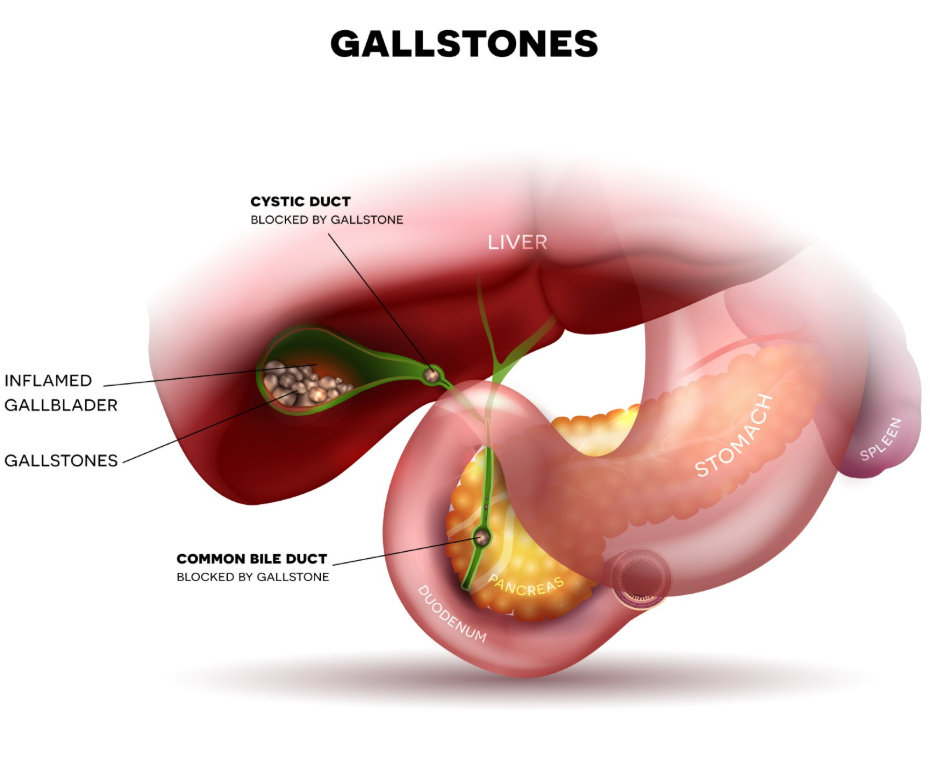
Because the bile cannot pass this obstruction to reach the gut, the stools do not receive the pigments necessary to turn them brown. This change is often one of the first systemic signs of an obstructive issue in the biliary tract. In the UK, clinicians view persistent pale stools as a clear indicator that the gallbladder disease is no longer localised and has begun to affect the wider digestive plumbing.
The cause of dark or tea coloured urine
While the stools become lighter, the urine simultaneously becomes much darker due to the way the body attempts to process the excess bilirubin in the blood. Under normal circumstances, the kidneys do not filter large amounts of this pigment, but when the biliary path is blocked, the kidneys become the secondary exit route. This results in urine that may appear orange, brown, or like dark tea. Jaundice can cause your skin or the whites of your eyes to turn yellow, your pee to be dark and your poo to be pale. This triad of symptoms—yellowing skin, dark urine, and pale stools—is a classic presentation of obstructive jaundice in the UK and requires prompt medical assessment to identify the exact location of the blockage.
Cholecystitis and secondary colouring changes
Acute cholecystitis, which is the severe inflammation of the gallbladder, can also lead to these colour changes if the swelling is significant enough to press against the nearby bile ducts. Even if a stone has not moved into the duct itself, the intense inflammation and buildup of fluid can narrow the passage for bile. Cholecystitis is inflammation of the gallbladder which usually happens when a gallstone blocks the cystic duct. In some cases, the inflammation can spread to the ducts, a condition called cholangitis, which further disrupts bile flow and increases the severity of the jaundice. UK healthcare providers monitor these colour changes closely as they can signal that the inflammation is spreading beyond the gallbladder wall.
Clinical investigation and diagnostic pathways
If a patient reports changes in stool or urine colour, UK healthcare professionals utilise blood tests and imaging to confirm a biliary obstruction. Blood tests are used to measure bilirubin levels and liver function enzymes, which will be significantly elevated if bile is backing up. According to the National Institute for Health and Care Excellence, patients with suspected bile duct stones should be offered an ultrasound scan or more specialised imaging like an MRCP. These scans allow doctors to visualise the ducts and see if they have become dilated or widened because of the trapped fluid. Once the blockage is identified, treatment usually involves a procedure to remove the stone or relieve the inflammation before the gallbladder itself is surgically removed.
Conclusion
Gallstones and cholecystitis can lead to pale stools and dark urine when they obstruct the normal flow of bile pigments. These changes are part of a clinical state known as obstructive jaundice and indicate that the condition requires professional medical intervention. Recognising these signs alongside abdominal pain is vital for ensuring timely diagnosis and treatment within the NHS framework. Maintaining a healthy lifestyle is the best way to support gallbladder and liver health. If you experience severe, sudden, or worsening symptoms, call 999 immediately.
Why does my urine look like tea when I have gallstones?
This happens because the bile pigment bilirubin is building up in your blood and being filtered out by your kidneys instead of your gut.
Are pale stools always a sign of gallstones?
While gallstones are a common cause, pale stools can also be caused by other liver or pancreatic conditions, so a medical review is necessary.
How quickly do these colour changes happen?
Colour changes can occur rapidly, sometimes within 24 to 48 hours of a significant bile duct blockage.
Can I have dark urine without having yellow skin?
Yes, changes in urine and stool colour can sometimes appear before the yellowing of the skin or eyes becomes obvious.
Will my waste return to a normal colour after treatment?
Yes, once the blockage is removed and bile flow is restored, stools and urine typically return to their normal colours within a few days.
Is it painful when these colour changes occur?
Most people experience abdominal pain or discomfort, but occasionally, obstructive jaundice can occur with only mild symptoms.
Can certain foods cause pale stools?
Some medications or very specific diets can affect stool colour, but persistent pale stools should always be investigated by a healthcare professional.
Authority Snapshot (E-E-A-T Block)
This article was developed by the Medical Content Team to provide clear education on the systemic signs of gallbladder disease. The content has been reviewed by Dr. Stefan Petrov, a UK-trained physician with experience in general medicine, surgery, and emergency care, to ensure complete alignment with NHS and NICE clinical guidance. Our purpose is to help the public understand the importance of monitoring bodily changes through factual reporting.



