




Gallstones are common in the United Kingdom and frequently remain asymptomatic, but they can lead to significant clinical complications if they cause a persistent blockage. When a stone becomes stuck in the exit of the gallbladder, it prevents the normal flow of bile, leading to inflammation and a high risk of bacterial infection. This state is medically referred to as acute cholecystitis, and its presence is often marked by systemic signs that affect the entire body. In the UK, healthcare professionals view the onset of a high temperature or shivering alongside abdominal pain as a critical indicator that a gallbladder issue has progressed beyond simple mechanical irritation. Understanding the link between gallstones and infection is essential for patients to recognise when their condition requires urgent medical assessment. National health guidelines from the NHS provide a clear framework for identifying these signs, ensuring that patients receive appropriate hospital care, including antibiotics and potentially surgical intervention. By learning about the relationship between gallbladder disease and systemic inflammatory responses, individuals can better manage their health and respond effectively when symptoms escalate.
What We’ll Discuss in This Article
- The biological link between gallstone blockages and infection
- Identifying the specific characteristics of fever in cholecystitis
- Why chills and shivering occur during a gallbladder infection
- Distinguishing between simple biliary colic and acute inflammation
- The role of bacterial growth in trapped gallbladder fluid
- Diagnostic tests used by the NHS to confirm infection
- Standard UK treatment pathways for managing acute cholecystitis
Gallstones can cause a high temperature and chills if they lead to an infection or severe inflammation of the gallbladder known as acute cholecystitis
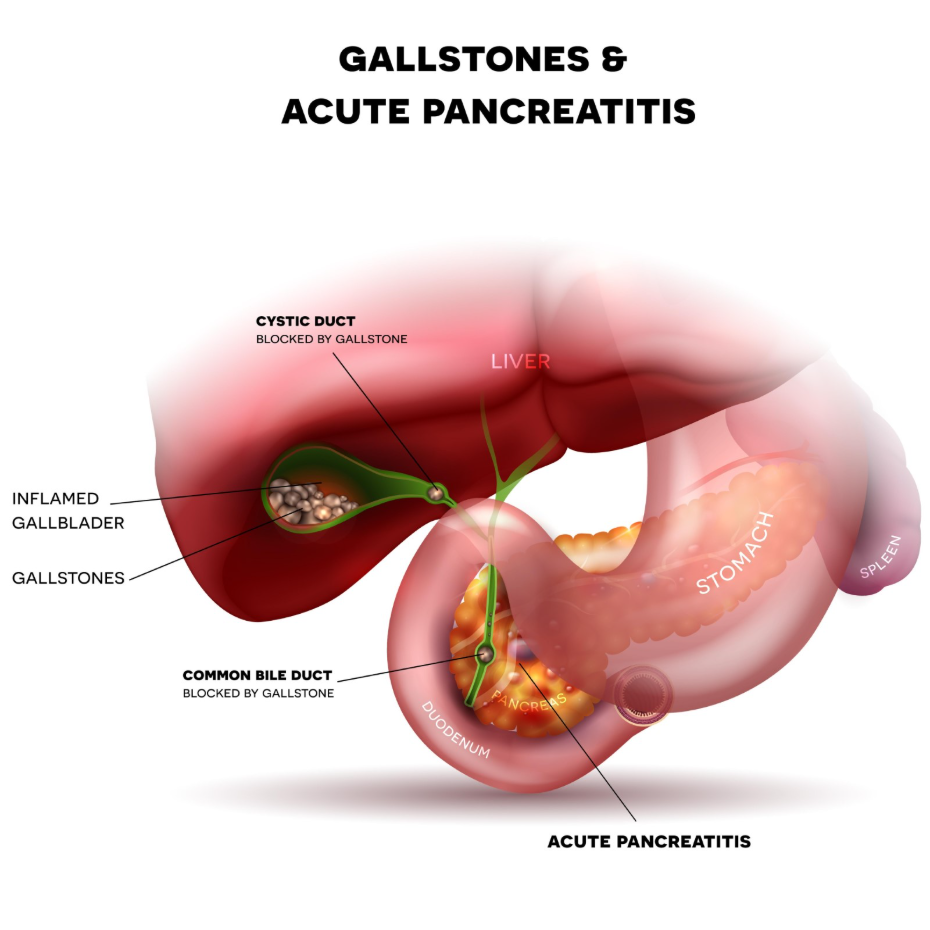
While many gallstones cause only temporary pain, a persistent blockage can trigger a systemic inflammatory response that manifests as a fever. Cholecystitis is inflammation of the gallbladder, which is usually caused by a gallstone becoming stuck in the main opening to the gallbladder. This inflammation often leads to a secondary bacterial infection as stagnant bile becomes a breeding ground for germs. In the United Kingdom, clinicians use the presence of a fever, typically defined as a temperature of 38 °C or above, as a key diagnostic marker to separate a simple gallbladder attack from a more serious infectious episode that requires hospital admission.
The mechanism of infection and systemic response
When a gallstone permanently obstructs the cystic duct, the bile inside the gallbladder is trapped and cannot be released into the digestive system. This stagnation causes the gallbladder wall to become stretched and irritated, which triggers the release of inflammatory chemicals into the bloodstream. These chemicals act on the brain’s temperature control centre, resulting in a fever. Furthermore, if bacteria from the gut migrate into the trapped bile, they can multiply rapidly. The body’s immune response to this bacterial presence often includes rigors, which are episodes of uncontrollable shivering or chills. These signs indicate that the body is actively fighting an infection and that the gallbladder tissue may be under significant stress.
Distinguishing infection from simple biliary colic
It is vital for patients to understand that not all gallstone pain involves an infection, but the presence of fever and chills is a major distinguishing factor. Simple biliary colic, where a stone temporarily blocks a duct, usually causes intense pain but does not typically cause a high temperature or shivering. The main symptom of acute cholecystitis is a sudden, sharp pain in the upper right side of your tummy that spreads towards your right shoulder. Unlike biliary colic, which settles after a few hours, the pain of cholecystitis is persistent and is accompanied by systemic signs of being unwell. In the UK, if the pain lasts longer than a few hours and is joined by a fever, it is treated as a clinical priority to prevent the infection from spreading or causing the gallbladder to rupture.
Clinical diagnosis of gallbladder infection in the UK
If a patient presents with abdominal pain, fever, and chills, UK healthcare professionals utilise a combination of physical examinations, blood tests, and imaging to confirm the diagnosis. During a physical check, a doctor may look for Murphy’s sign, which is pain that worsens when the patient takes a deep breath while the gallbladder area is being pressed. Blood tests are essential to measure the white blood cell count and C-reactive protein (CRP) levels, both of which rise significantly during an infection. According to the National Institute for Health and Care Excellence, an ultrasound scan is the first line imaging test to check for gallbladder wall thickening and other signs of inflammation. These results allow clinicians to determine the severity of the cholecystitis and plan the most effective intervention.
Hospital management and treatment pathways
Once acute cholecystitis with infection is confirmed, treatment in the UK typically begins with admission to a hospital. The immediate focus is on stabilising the patient through intravenous fluids to prevent dehydration and the administration of strong painkillers. Treatment for acute cholecystitis usually involves being admitted to hospital for treatment with intravenous fluids and antibiotics. Antibiotics are crucial for clearing the bacterial infection and preventing it from spreading to the bloodstream or neighbouring organs like the liver. In many cases, once the initial infection has been controlled, surgeons will recommend the removal of the gallbladder, often during the same hospital stay or shortly after, to prevent the infection from recurring.
Conclusion
Gallstones can lead to fever and chills when they cause a persistent blockage that results in the inflammation and infection of the gallbladder. These systemic symptoms, combined with severe and constant abdominal pain, are hallmark signs of acute cholecystitis. In the UK, this condition is managed through hospital care involving antibiotics, fluids, and usually surgery. Recognising that a high temperature and shivering are not normal parts of a simple gallstone attack is essential for seeking timely medical help. Maintaining a healthy lifestyle remains the best way to reduce the risk of gallbladder complications. If you experience severe, sudden, or worsening symptoms, call 999 immediately.
Is a mild fever always a sign of cholecystitis?
A low-grade fever can occur with many conditions, but when combined with upper right abdominal pain, it strongly suggests gallbladder inflammation.
Can I treat a gallbladder infection at home with painkillers?
No, a suspected gallbladder infection requires professional medical assessment and often requires prescription antibiotics and hospital monitoring.
What are rigors exactly?
Rigours are episodes of intense shivering and shaking that often accompany a high fever when the body is fighting a significant infection.
Can a gallbladder infection spread to other organs?
Yes, if left untreated, the infection can spread to the bile ducts, the liver, or even into the bloodstream, which is very serious.
Will the fever go away after surgery?
Once the source of the infection, the gallbladder, is removed and antibiotics are completed, the fever and chills typically resolve quickly.
How common is infection with gallstones?
Most people with gallstones do not develop an infection, but acute cholecystitis is a well-recognised complication that affects a portion of symptomatic patients.
Can children get fever and chills from gallstones?
It is rare in children, but if they develop cholecystitis, they will often exhibit the same signs of fever and abdominal tenderness as adults.
Authority Snapshot (E-E-A-T Block)
This article was developed by the Medical Content Team to provide clear education on the symptoms of gallbladder infection. The content has been reviewed by Dr. Stefan Petrov, a UK-trained physician with experience in general medicine and emergency care, to ensure absolute alignment with NHS and NICE clinical guidance. Our purpose is to help the public understand the importance of recognising systemic infection signs through factual reporting.



