




Pancreatitis is a serious medical condition characterised by inflammation of the pancreas, an organ situated behind the stomach that is vital for digestion and hormone production. In the United Kingdom, identifying who is at risk of developing this condition is a priority for healthcare professionals to ensure early intervention and effective preventative management. The inflammation occurs when digestive enzymes become active while still inside the pancreas, causing the organ to begin digesting its own tissue. This process can happen suddenly as an acute episode or develop over many years as a chronic condition. While pancreatitis can affect individuals of any background, certain physiological, lifestyle, and genetic factors significantly increase the likelihood of its occurrence. By adhering to the evidence-based frameworks provided by the NHS and the National Institute for Health and Care Excellence, patients can better understand their personal risk profiles. Recognising these risk factors is the first step toward adopting lifestyle modifications that protect pancreatic health and reduce the risk of long-term complications such as diabetes or permanent organ damage.
What We’ll Discuss in This Article
- The primary role of gallstones in acute pancreatitis risk
- How long-term alcohol consumption impacts the pancreas
- Lifestyle factors including smoking and dietary habits
- Metabolic conditions such as high triglycerides and obesity
- The influence of genetics and family history on risk
- Age and gender trends observed in the United Kingdom
- How certain medications and medical procedures affect risk
Individuals with a history of gallstones or those who consume high amounts of alcohol are at the highest risk of developing pancreatitis in the United Kingdom
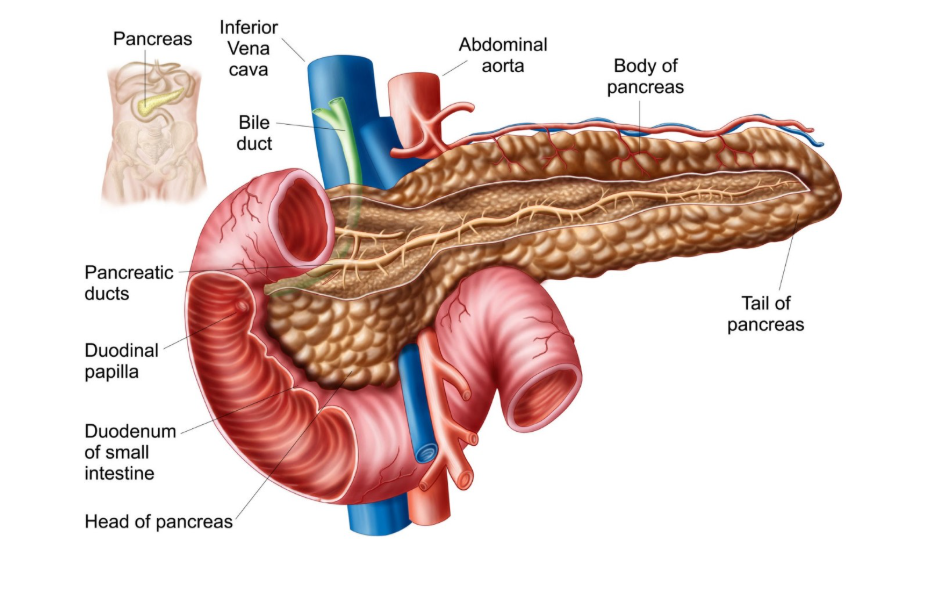
The two most common triggers for pancreatic inflammation are well established within British clinical practice. Gallstones are one of the most common causes of acute pancreatitis because they can block the opening of the pancreatic duct. When a stone migrates and creates a blockage, digestive enzymes back up into the pancreas, triggering rapid inflammation. Similarly, the long-term consumption of alcohol is a major driver of both acute and chronic forms of the disease. Drinking large amounts of alcohol over many years is a common cause of chronic pancreatitis. Both factors are considered preventable or manageable through specific medical and lifestyle interventions, which is why they remain the primary focus of risk assessments in the UK.
The impact of metabolic health and obesity
A person’s metabolic profile significantly influences their risk of pancreatic inflammation, particularly regarding blood fat levels and body mass. Individuals with very high levels of triglycerides in their blood are at an increased risk, as the breakdown of these fats can release toxic fatty acids that damage the pancreas. Obesity is also a recognised risk factor, not only because it increases the likelihood of developing gallstones but also because it is associated with a higher inflammatory state in the body.
According to the National Institute for Health and Care Excellence, obesity is associated with an increased risk of severe acute pancreatitis and its complications. Managing these metabolic factors through a balanced diet and regular physical activity is a cornerstone of preventative health in the UK.
Smoking and long-term pancreatic health
While often associated with lung and heart health, smoking is a significant and independent risk factor for both chronic pancreatitis and pancreatic cancer. Research indicates that smokers are more likely to experience recurring episodes of inflammation, and the risk increases with the number of cigarettes smoked daily. Smoking appears to accelerate the damage caused by alcohol and may even trigger inflammation on its own by affecting how the pancreas handles enzymes. In the United Kingdom, smoking cessation is strongly advised for any patient at risk of pancreatic disease, as it is one of the most impactful lifestyle changes a person can make to protect the long-term function of the organ and reduce the risk of permanent scarring.
Age and gender considerations in the UK
The risk profile for pancreatitis often shifts depending on age and gender, reflecting the different prevalence of underlying causes in these groups. For instance, acute pancreatitis caused by gallstones is more frequently observed in women, particularly those over the age of forty. Conversely, alcohol related pancreatitis is statistically more common in men, although the gap is narrowing as drinking habits change. As people age, the risk of developing gallstones increases, which subsequently raises the risk of acute pancreatic episodes. Chronic pancreatitis is most often diagnosed in adults between the ages of thirty and fifty, usually after many years of exposure to risk factors such as alcohol or smoking.
Genetic factors and family history
In some instances, the risk of pancreatitis is inherited through genetic mutations that affect how the pancreas produces or manages digestive enzymes. This is known as hereditary pancreatitis, and it typically presents at a much younger age than other forms of the disease. Individuals with a strong family history of pancreatic issues may be predisposed to recurring episodes of inflammation regardless of their lifestyle choices. While hereditary cases are relatively rare in the UK, they require specialised monitoring and management. Genetic counseling and screening are sometimes offered to families where a clear pattern of early onset pancreatitis is identified, helping them to manage symptoms and monitor for long-term complications.
Comparison of Risk Factors for Acute and Chronic Pancreatitis
| Factor | Risk for Acute Pancreatitis | Risk for Chronic Pancreatitis |
| Gallstones | Very High (Primary Cause) | Low (Indirectly via repeated acute) |
| Alcohol Use | High (Binge drinking) | Very High (Long-term heavy use) |
| Smoking | Moderate | High (Speeds up organ damage) |
| Triglycerides | High (If levels are severe) | Low (Unless persistent) |
| Genetics | Low | Moderate (In specific families) |
Medications and medical procedures
Certain medications and specific medical procedures can occasionally increase the risk of an acute pancreatic episode. A variety of drugs, including some diuretics, immunosuppressants, and antibiotics, have been linked to pancreatic irritation as a rare side effect. Additionally, a procedure used to check the bile ducts, called an Endoscopic Retrograde Cholangio-Pancreatography, carries a small risk of triggering temporary inflammation of the pancreas. Healthcare professionals in the UK carefully screen a patient’s medical and medication history to identify these specific triggers. If a patient is deemed at high risk, alternative treatments may be considered, or additional preventative measures may be taken during medical procedures to minimise the chance of inflammation.
Conclusion
Those at highest risk of pancreatitis include individuals with gallstones, those who consume large amounts of alcohol, and long-term smokers. Metabolic factors such as obesity and high blood fats also play a significant role in de-termining an individual’s risk profile. While genetics can influence risk in some families, most cases in the UK are related to lifestyle factors that can be managed or treated. Understanding these risks allows for better preventative care and early symptom recognition. If you experience severe, sudden, or worsening symptoms, call 999 immediately.
Can children develop pancreatitis?
Yes, but in children it is more commonly caused by trauma, viral infections, or genetic factors rather than lifestyle choices like alcohol.
Is pancreatitis more common in people with diabetes?
There is a complex link; while pancreatitis can cause diabetes, people with type 2 diabetes may have a higher risk of developing gallstones, which increases pancreatitis risk.
Does a family history of gallstones increase my risk?
Yes, if you are more likely to develop gallstones due to family history, your risk of acute pancreatitis is indirectly increased.
Can one episode of binge drinking cause a problem?
In some individuals, a single session of heavy alcohol consumption can trigger an episode of acute pancreatitis.
Are women more at risk than men?
Women are more likely to have gallstone related pancreatitis, while men are statistically more likely to have alcohol related cases in the UK.
Will my risk decrease if I stop smoking?
Yes, stopping smoking can reduce the risk of recurring inflammation and significantly lowers the long-term risk of pancreatic cancer.
Can high cholesterol cause pancreatitis?
While general high cholesterol is a risk for gallstones, it is specifically very high triglycerides (blood fats) that are a direct trigger for pancreatitis.
Authority Snapshot (E-E-A-T Block)
This article was developed by the Medical Content Team to provide clear education on the risk factors associated with pancreatic inflammation. The content has been reviewed by Dr. Rebecca Fernandez, a UK-trained physician with experience in general surgery and emergency medicine, to ensure absolute alignment with NHS and NICE clinical guidance. Our purpose is to help the public understand their personal health risks through factual and restrained reporting.



