
Fever and chills are common symptoms of pancreatitis and often indicate the presence of significant internal inflammation or a potential secondary complication. The pancreas is a vital glandular organ located behind the stomach that produces digestive enzymes and hormones such as insulin. When the pancreas becomes inflamed, a condition known as pancreatitis, the body initiates a systemic inflammatory response. Following established clinical pathways provided by the NHS and the National Institute for Health and Care Excellence ensures that these symptoms are evaluated using a structured medical approach. Understanding why the body reacts with fever and chills during pancreatic distress helps patients identify when their symptoms require urgent clinical assessment. This article explores the biological mechanisms behind these symptoms, how they are managed in a hospital setting, and the importance of professional monitoring to protect long term organ health.
What We’ll Discuss in This Article
- The biological link between pancreatic inflammation and fever
- Why chills and rigors often accompany a high temperature
- Distinguishing between sterile inflammation and infected necrosis
- How the NHS monitors systemic inflammatory response syndrome
- The role of blood tests and imaging in evaluating fever
- Standard hospital treatments for managing temperature and hydration
- Identifying red flag symptoms that indicate serious complications
Fever and chills are frequent symptoms of pancreatitis because the inflammation triggers a systemic immune response and the release of pyrogens into the bloodstream
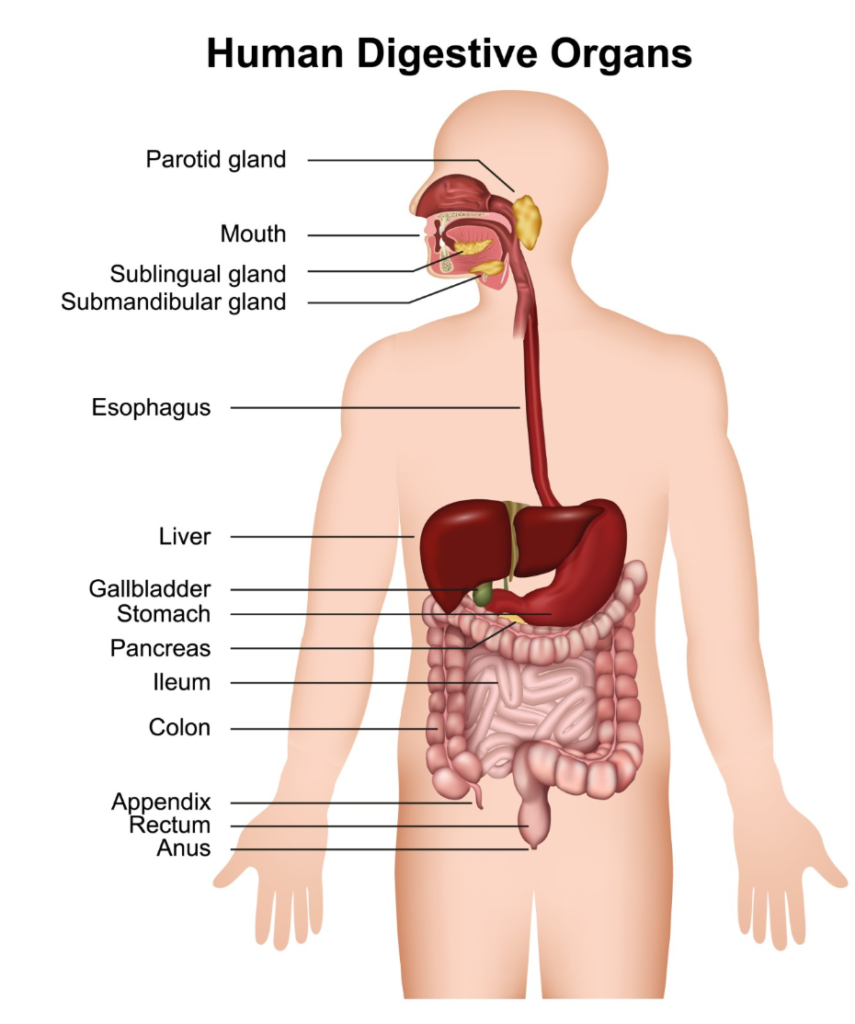
In the United Kingdom, clinical observations confirm that many individuals with acute pancreatic inflammation will develop a raised temperature. Acute pancreatitis is where the pancreas becomes inflamed over a short period of time, and symptoms can include a high temperature of 38C or above. The inflammation causes the release of specific chemicals called cytokines, which act on the brain’s hypothalamus to reset the body’s internal thermostat. This resulting fever is often accompanied by chills or shivering, as the body attempts to generate heat to reach this new, higher temperature set point. While these symptoms are common, UK healthcare professionals treat them with caution, as they are part of a broader systemic inflammatory response that must be carefully managed in a hospital environment.
The role of systemic inflammatory response syndrome
When the inflammation in the pancreas is particularly severe, it can lead to a state known as Systemic Inflammatory Response Syndrome. This occurs when the inflammatory chemicals produced in the pancreas travel through the circulatory system, affecting other organs and causing a widespread reaction. Pancreatitis is inflammation of the pancreas, which can be caused by gallstones or alcohol. In this state, the patient may experience a high fever, a rapid heartbeat, and fast breathing. UK clinicians use these vital signs to calculate early warning scores, which help them determine the level of nursing care and medical intervention required. Monitoring for this systemic reaction is essential, as it allows the medical team to intervene early with intravenous fluids and oxygen therapy to prevent further complications.
Distinguishing sterile fever from infected necrosis
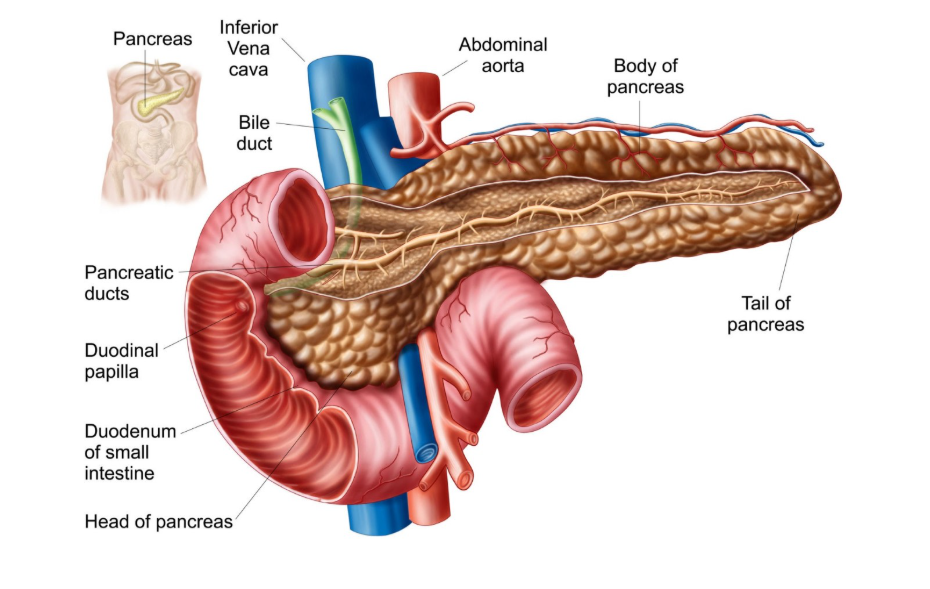
It is important to understand that a fever in the early stages of pancreatitis does not always mean an infection is present. Most initial cases involve “sterile” inflammation, where the tissue is damaged by digestive enzymes rather than bacteria. However, if the inflammation causes part of the pancreatic tissue to die, a process called necrosis, this dead tissue can subsequently become infected. In severe cases of acute pancreatitis, part of the pancreas can lose its blood supply, which can lead to the tissue dying and becoming infected. An infection is usually marked by a persistent high fever or a “second spike” in temperature several days into the illness. In the United Kingdom, doctors may use specialised CT scans or blood markers like C-reactive protein to distinguish between these two states, as an infection requires a different treatment pathway involving antibiotics.
Chills, rigors, and their clinical significance
Chills and rigors are episodes of intense shivering that often occur when the body temperature is rising rapidly. In the context of pancreatitis, these symptoms can be particularly distressing for the patient and are often a sign of significant metabolic stress. Clinicians in the UK monitor for rigors because they can sometimes indicate that bacteria have entered the bloodstream, a condition known as bacteraemia. When a patient experiences these symptoms, medical teams typically perform blood cultures to check for the presence of pathogens. Managing these chills involve keeping the patient comfortable while addressing the underlying inflammation and ensuring that fluid levels are maintained through intravenous drips.
Comparison of Temperature Related Symptoms in Abdominal Conditions
| Condition | Nature of Fever | Associated Symptoms |
| Acute Pancreatitis | High, often persistent | Severe pain radiating to the back |
| Biliary Colic | Usually no fever | Episodic pain in the upper right belly |
| Cholecystitis | Moderate to high fever | Tenderness in the upper right abdomen |
| Gastroenteritis | Variable fever | Diarrhoea and abdominal cramping |
| Cholangitis | High fever and rigors | Jaundice and abdominal pain |
Hospital management of fever and hydration in the UK
The management of fever and chills during an episode of pancreatitis focuses on supportive care and the prevention of dehydration. In the United Kingdom, patients are typically admitted to hospital to receive intravenous fluids, which help to stabilise the circulation and support the kidneys. Paracetamol may be administered intravenously to help reduce the fever and provide mild pain relief. According to the National Institute for Health and Care Excellence, patients with severe pancreatitis should be monitored closely for signs of organ dysfunction. By keeping the patient well hydrated and monitoring their temperature, the medical team can support the body’s recovery and quickly identify any signs that the inflammation is worsening or that an infection is developing.
When to seek medical attention for fever and abdominal pain
Fever and chills are rarely the only symptoms of pancreatitis; they almost always occur alongside severe, persistent pain in the upper abdomen. In the UK, the combination of a high temperature and intense tummy pain is considered a “red flag” that requires urgent medical assessment. Clinical evaluation involves blood tests to check for elevated pancreatic enzymes and imaging such as an ultrasound or CT scan to look at the state of the organ. Identifying these signs early is vital for preventing systemic complications such as kidney or lung issues. Patients are advised to seek professional help immediately if they experience these symptoms, rather than attempting to manage them at home with simple over the counter medications.
Conclusion
Fever and chills are common signs of the systemic inflammatory response triggered by pancreatitis. While these symptoms can occur due to sterile inflammation, a persistent or rising temperature may indicate complications such as infected necrosis. In the UK, management focuses on hospital based supportive care, including intravenous fluids and close monitoring of vital signs. Recognising the combination of fever and severe abdominal pain is essential for early diagnosis and better clinical outcomes. If you experience severe, sudden, or worsening symptoms, call 999 immediately.
Why do I feel so cold and shivery if I have a fever?
Chills and shivering are the body’s way of generating heat to reach a higher temperature set point determined by the inflammatory response.
Does a fever always mean I need antibiotics for my pancreas?
No, in the UK, antibiotics are only given if an infection is proven or highly suspected, as they do not treat the underlying sterile inflammation.
How high can the fever get with pancreatitis?
Temperatures often exceed 38C and can sometimes reach higher levels if the systemic inflammatory response is severe.
Can chronic pancreatitis also cause a fever?
Fever is less common in chronic cases but can occur during an acute “flare up” of the condition or if a complication like an abscess develops.
Is paracetamol safe to take for a fever during pancreatitis?
In a hospital setting, paracetamol is frequently used, but you should always follow the advice of your clinical team regarding any medication.
What are rigors?
Rigors are episodes of uncontrollable, violent shivering that usually occur with a high fever and require clinical evaluation.
How long does the fever usually last?
The fever typically settles as the inflammation in the pancreas improves, which usually takes a few days with appropriate hospital treatment.
Authority Snapshot (E-E-A-T Block)
This article was developed by the Medical Content Team to provide clear education on the systemic symptoms of pancreatic inflammation. The content has been reviewed by Dr. Rebecca Fernandez, a UK-trained physician with experience in general surgery and emergency medicine, to ensure absolute alignment with NHS and NICE clinical guidance. Our purpose is to help the public recognise serious health signs through factual and restrained reporting.
