
Jaundice, characterised by the yellowing of the skin and the whites of the eyes, is a significant clinical sign that can occur during an episode of pancreatitis. Pancreatitis involves the inflammation of this organ, which can lead to swelling and the disruption of nearby anatomical structures. In the United Kingdom, healthcare professionals monitor for jaundice in patients with suspected pancreatic inflammation as it often provides critical information regarding the underlying cause or the severity of the episode. By following established NHS and NICE guidelines, medical teams can utilise blood tests and imaging to identify the source of the yellowing and initiate the appropriate treatment. Understanding the biological link between the pancreas and jaundice helps patients recognise when their symptoms indicate a complication that requires urgent hospital-based care.
What We’ll Discuss in This Article
- The biological relationship between the pancreas and the biliary system
- How gallstones can trigger both pancreatitis and jaundice simultaneously
- The impact of pancreatic swelling on the common bile duct
- Identifying the symptoms of jaundice alongside abdominal pain
- Clinical investigations used in the UK to assess biliary obstruction
- Treatment pathways for managing jaundice related to pancreatic inflammation
- The importance of monitoring liver function during a pancreatitis episode
Pancreatitis can cause jaundice when the inflamed pancreas swells and presses against the common bile duct or when a gallstone blocks the drainage of both the liver and the pancreas
The pancreas and the liver are connected via a series of tubes known as ducts that meet before entering the small intestine. Pancreatitis is inflammation of the pancreas, which can be caused by gallstones and may lead to jaundice or yellowing of the skin and eyes. When the head of the pancreas becomes severely inflamed and swollen, it can physically compress the common bile duct that passes through or behind it. This compression prevents bile, a fluid produced by the liver, from reaching the intestine. Instead, the bile pigment, known as bilirubin, builds up in the bloodstream and eventually settles in the skin and eyes, causing the characteristic yellow appearance. In the United Kingdom, this is recognised as a sign that the inflammation is significant and requires supportive hospital care.
Gallstones as a dual trigger for inflammation and jaundice
In many cases observed in the UK, jaundice and pancreatitis occur together because of a shared mechanical obstruction. Gallstones are small stones that form in the gallbladder; if a stone migrates out and becomes lodged in the duct where the gallbladder and pancreas meet, it blocks the flow of both bile and pancreatic enzymes. The most common cause of acute pancreatitis is gallstones, and a blockage can also cause jaundice. This dual blockage leads to the premature activation of enzymes within the pancreas, causing inflammation, while the trapped bile leads to jaundice. This clinical scenario is often referred to as gallstone pancreatitis and typically requires the stone to be removed or passed before the symptoms will resolve.
Identifying jaundice and associated symptoms
Jaundice is most easily identified by looking at the sclera, which are the white parts of the eyes, under natural light. In addition to the yellowing of the skin and eyes, patients may notice other physiological changes related to the backup of bile. Dark coloured urine, often described as looking like tea or cola, occurs because the kidneys are attempting to filter out the excess bilirubin. Conversely, stools may become pale or clay coloured because the bile pigments that normally give stool its brown colour are not reaching the digestive tract. Symptoms of jaundice also include itchy skin and pale poo. When these signs occur alongside severe upper abdominal pain that radiates to the back, they strongly suggest that the biliary and pancreatic systems are under significant stress.
Clinical investigations in the UK healthcare system
When a patient presents with pancreatitis and jaundice, UK clinicians perform specific tests to locate the site of the obstruction. Blood tests are used to measure levels of bilirubin and liver enzymes, providing an “obstructive” profile that helps confirm the diagnosis. According to the National Institute for Health and Care Excellence, imaging such as an ultrasound scan or a MRCP scan should be used to look for gallstones or ductal swelling. An ultrasound is often the first step to check for stones in the gallbladder, while a more detailed Magnetic Resonance Cholangiopancreatography scan can visualise the entire ductal system to see exactly where the blockage is occurring. These investigations are vital for determining if a patient needs an endoscopic procedure to clear the duct.
Comparison of Jaundice Causes in Pancreatitis
| Mechanism | Description | Typical Clinical Finding |
| Mechanical Obstruction | A gallstone is physically stuck in the common bile duct | Visible stone on ultrasound or MRCP |
| External Compression | Swelling in the head of the pancreas squashes the duct | Enlarged pancreatic head on CT scan |
| Biliary Sludge | Thickened bile and crystals slow down the flow | “Sludge” or grit seen within the ducts |
| Chronic Scarring | Permanent damage narrows the exit of the duct | Seen in long term chronic pancreatitis |
Treatment and management of pancreatic jaundice
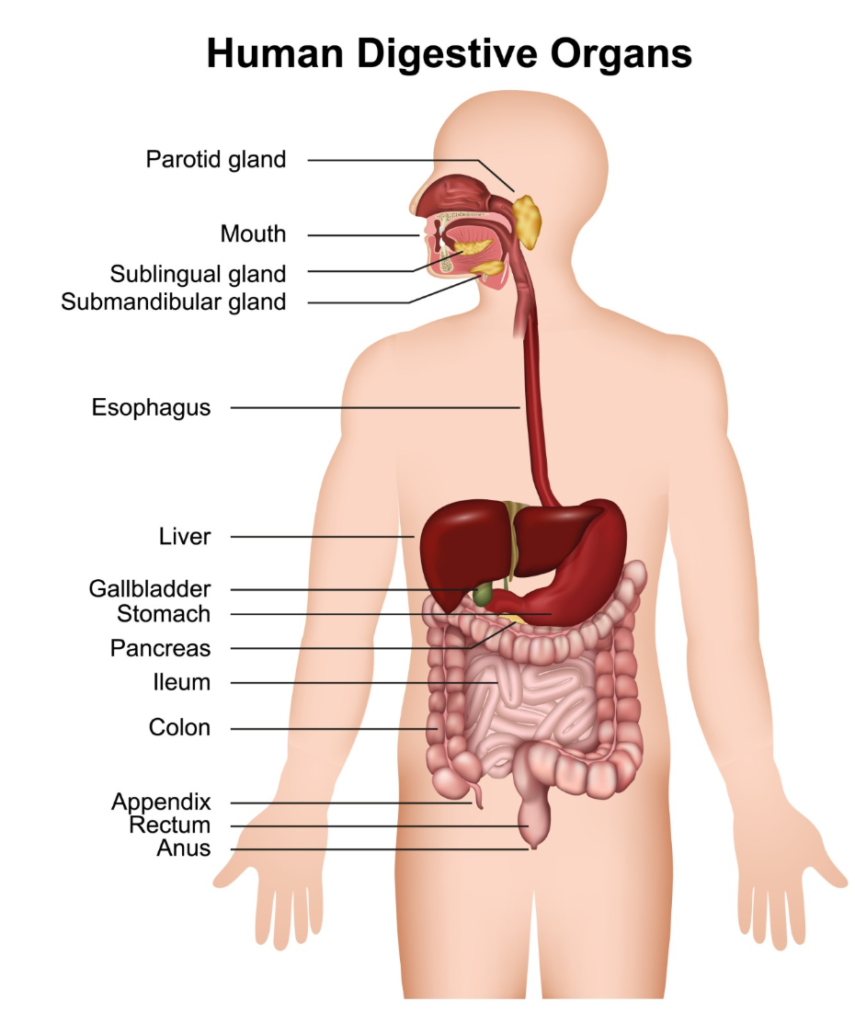
The management of jaundice during a pancreatitis episode focuses on resolving the underlying cause of the obstruction. If the jaundice is caused by the temporary swelling of the pancreas, it may resolve on its own as the inflammation is treated with intravenous fluids and pain relief in the hospital. However, if a gallstone is the cause, a procedure called an Endoscopic Retrograde Cholangio-Pancreatography may be required to remove the stone from the duct. Once the patient has recovered from the acute inflammation, UK surgeons often recommend the removal of the gallbladder to prevent future episodes of gallstone pancreatitis and jaundice. This comprehensive approach ensures that the immediate symptoms are managed while also addressing the long term risk of recurrence.
Long term implications of jaundice in chronic pancreatitis
In cases of chronic pancreatitis, jaundice can occur due to the formation of scar tissue, known as fibrosis, around the common bile duct. As the pancreas becomes permanently damaged and shrinks, the resulting scar tissue can cause a persistent narrowing of the duct. This may lead to a slow and progressive yellowing of the skin rather than the sudden onset seen in acute cases. Patients in the UK with chronic pancreatic damage are monitored by specialist gastroenterology teams to check for these structural changes. If a narrowing becomes permanent, a small tube called a stent may be placed inside the duct to keep it open and allow bile to flow freely, preventing the complications associated with long term biliary obstruction.
Conclusion
Pancreatitis can cause jaundice through the compression of the bile duct by a swollen pancreas or via a blockage from a migrating gallstone. This symptom is accompanied by yellowing of the skin and eyes, dark urine, and pale stools. In the UK, diagnosis involves blood tests for bilirubin and imaging scans to locate any obstructions. Treatment focuses on settling the pancreatic inflammation and removing any stones that may be blocking the ducts. If you experience severe, sudden, or worsening symptoms, call 999 immediately.
Is jaundice always a sign of a serious problem?
In the context of abdominal pain, jaundice is a serious sign that requires immediate clinical assessment to check for a blockage in the biliary system.
Can jaundice appear after the abdominal pain has started?
Yes, it is common for the yellowing to develop a day or two after the initial onset of pancreatic pain as bilirubin levels build up in the blood.
Does alcohol cause jaundice in pancreatitis?
Alcohol can cause pancreatitis, which leads to swelling that presses on the bile duct, and long term alcohol use can also damage the liver, which causes jaundice independently.
Will the yellowing go away once the pancreatitis is treated?
If the jaundice was caused by temporary swelling or a passed stone, the yellowing usually fades over a few days as the bilirubin is cleared by the body.
Can children with pancreatitis get jaundice?
Yes, children can develop jaundice if their pancreatitis is caused by structural issues or stones, though this is rarer than in adults.
Does jaundice make you feel itchy?
Yes, the buildup of bile salts in the skin can cause intense itching, which is a common symptom associated with obstructive jaundice.
Is jaundice a sign of pancreatic cancer?
While jaundice can be a sign of pancreatic cancer if a tumour blocks the duct, it is also a very common symptom of benign conditions like gallstones and acute pancreatitis.
Authority Snapshot (E-E-A-T Block)
This article was developed by the Medical Content Team to provide clear education on the clinical link between pancreatic inflammation and biliary symptoms. The content has been reviewed by Dr. Stefan Petrov, a UK-trained physician with experience in general surgery and emergency medicine, to ensure absolute alignment with NHS and NICE clinical guidance. Our purpose is to help the public understand serious health signs through factual and restrained reporting.
