
Pancreatitis is a significant medical condition that frequently results in various digestive disturbances, including persistent diarrhoea and the production of unusually greasy stools. The pancreas is a vital organ located deep in the upper abdomen, behind the stomach, which serves as a central factory for digestive enzymes. These enzymes are essential for breaking down the fats, proteins, and carbohydrates found in the food we consume. Following established clinical frameworks provided by the NHS and the National Institute for Health and Care Excellence ensures that these symptoms are evaluated using structured medical protocols. Understanding the biological link between pancreatic health and bowel function allows patients to recognise when their symptoms require clinical intervention to restore nutritional stability and protect long term well-being.
What We’ll Discuss in This Article
- The biological relationship between pancreatic enzymes and digestion
- Why inflammation leads to malabsorption and diarrhoea
- Characteristics of greasy or oily stools linked to pancreatic health
- The difference between acute digestive issues and chronic insufficiency
- How the NHS assesses digestive function through stool and blood tests
- Management strategies for digestive problems including enzyme replacement
- When digestive symptoms indicate a need for specialist review
Pancreatitis causes digestive problems because the inflammation prevents the organ from releasing enough enzymes to break down food, leading to malabsorption and changes in bowel habits
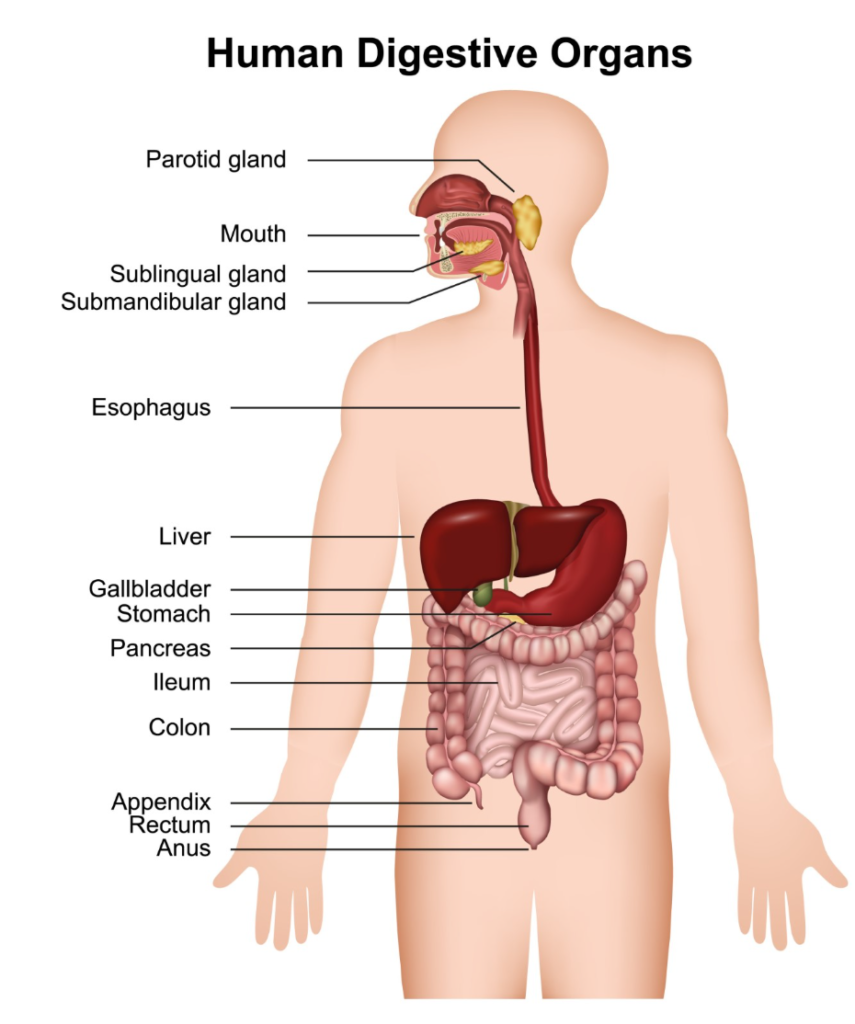
The pancreas is responsible for secreting several litres of enzyme rich fluid into the small intestine every day. Pancreatitis is inflammation of the pancreas, which can be acute or chronic and may cause your poo to be greasy or difficult to flush. When the organ is inflamed, the production of lipase, an enzyme specifically required to break down fats, is often the first function to be compromised. Without lipase, the fats in our diet remain in their complex form and cannot be absorbed by the intestinal lining. This results in the fats being carried through to the large intestine, where they attract water and cause the loose, frequent stools commonly referred to as diarrhoea. In the United Kingdom, this process is recognised as a primary symptom of pancreatic exocrine insufficiency, a condition where the pancreas fails to meet the body’s digestive demands.
Understanding greasy stools or steatorrhea
Greasy stools, medically known as steatorrhea, are a hallmark sign of advanced pancreatic dysfunction and indicate that a significant portion of dietary fat is not being absorbed. These stools are typically pale or clay coloured, have a particularly foul smell, and are notoriously difficult to flush away due to their high fat content. Some patients may even notice an oily film or droplets on the surface of the water in the toilet bowl. Chronic pancreatitis is where the pancreas has been permanently damaged over many years, which can cause your poo to be greasy and foul smelling. This occurs because the lipase production has fallen to less than ten percent of its normal capacity. Within the UK healthcare system, identifying these specific characteristics is vital for distinguishing pancreatic issues from other common bowel conditions like irritable bowel syndrome or coeliac disease.
The impact of malabsorption on nutrition and weight
When the digestive system fails to break down food, the body enters a state of malabsorption, where essential calories and vitamins are lost in the stool. This can lead to unintended weight loss and deficiencies in fat soluble vitamins such as A, D, E, and K. Patients may feel persistently tired or notice that they are bruising more easily due to a lack of these nutrients.
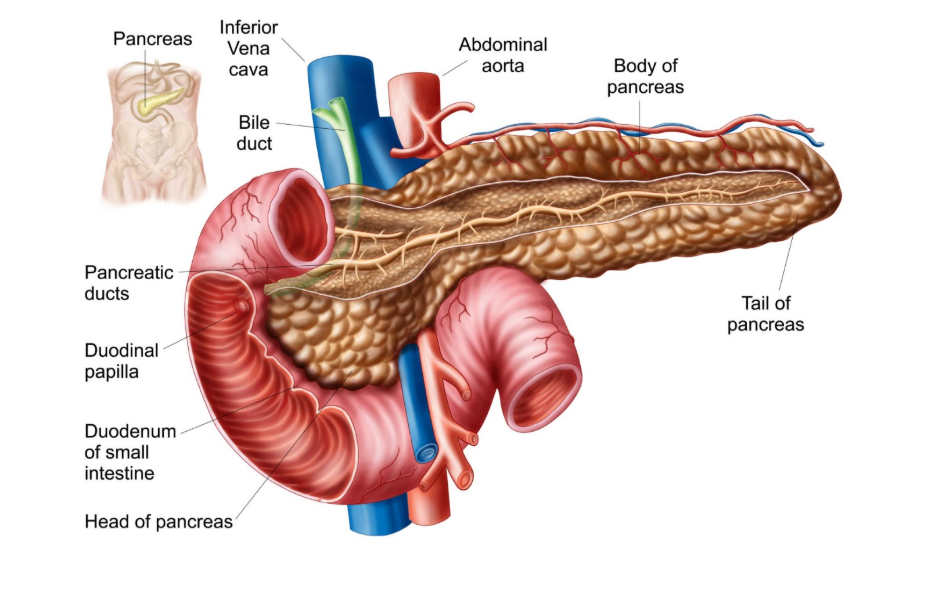
According to the National Institute for Health and Care Excellence, patients with chronic pancreatitis should be monitored for signs of malnutrition and bone health due to malabsorption. In the UK, dietitians work alongside doctors to ensure that patients with pancreatic digestive issues receive high calorie, nutrient dense support to compensate for the efficiency lost during the inflammatory process.
Acute versus chronic digestive symptoms
Digestive problems can manifest differently depending on whether the pancreatitis is a sudden acute event or a long term chronic condition. In acute pancreatitis, diarrhoea and bloating may occur temporarily as the organ settles and the patient transitions back to a normal diet. However, in chronic pancreatitis, the digestive issues tend to be persistent and progressive because the organ has become permanently scarred. This scarring, or fibrosis, destroys the cells that produce enzymes, meaning the digestive problems will not resolve without medical assistance. In the United Kingdom, healthcare teams use this distinction to determine if a patient needs short term supportive care or a lifelong management plan for their digestive health.
Comparison of Normal Digestion and Pancreatic Insufficiency
| Digestive Feature | Normal Pancreatic Function | Pancreatic Insufficiency |
| Enzyme Release | High levels of lipase, amylase, protease | Severely reduced or absent enzymes |
| Fat Breakdown | Fats broken into fatty acids for absorption | Fats remain whole and unabsorbed |
| Stool Consistency | Formed, brown, and easy to flush | Loose, pale, greasy, and foul smelling |
| Nutrient Status | Vitamins and calories fully absorbed | Risk of vitamin deficiency and weight loss |
| Symptoms | No discomfort after eating | Bloating, wind, and urgent diarrhoea |
Clinical investigations and stool testing in the UK
When a patient reports greasy stools or persistent diarrhoea, UK clinicians utilise specific tests to confirm if the pancreas is the source of the problem. A common investigation is the faecal elastase test, which involves providing a small stool sample to be analysed in a laboratory. Elastase is an enzyme produced exclusively by the pancreas that remains stable as it passes through the gut; low levels of this enzyme in the stool are a reliable indicator that the pancreas is not functioning correctly. Blood tests are also conducted to check for levels of fat soluble vitamins and to look for signs of inflammation. These diagnostic steps allow medical teams to provide an accurate assessment of the organ’s exocrine function and to decide if enzyme replacement therapy is necessary.
Management with pancreatic enzyme replacement therapy
The primary treatment for digestive problems caused by pancreatitis in the UK is Pancreatic Enzyme Replacement Therapy. This involves taking capsules that contain a mixture of lipase, amylase, and protease with every meal and snack. These capsules act as a substitute for the enzymes the pancreas can no longer produce, allowing the body to break down and absorb nutrients correctly. When taken as directed, this therapy can significantly reduce diarrhoea, stop the production of greasy stools, and prevent further weight loss. According to the National Institute for Health and Care Excellence, pancreatic enzyme replacement therapy should be offered to people with chronic pancreatitis who have symptoms of malabsorption. This allows patients to maintain a more normal lifestyle and ensures their body receives the fuel it needs for daily activities.
Conclusion
Pancreatitis frequently causes digestive problems such as diarrhoea and greasy stools because the inflamed organ cannot produce the enzymes needed to break down fats. These symptoms are a sign of malabsorption and are most persistent in chronic cases where the pancreas has permanent scarring. In the United Kingdom, these issues are managed through stool tests and the use of enzyme replacement therapy to restore digestive function. Maintaining a structured medical plan is essential for preventing malnutrition and managing bowel symptoms effectively. If you experience severe, sudden, or worsening symptoms, call 999 immediately.
Why does my poo float if I have had pancreatitis?
Stools that float are often high in undigested fat and trapped gas, both of which are common when the pancreas is not producing enough enzymes.
Is diarrhoea after a heavy meal a sign of a pancreas problem?
It can be, especially if the meal was high in fat, as this is when the pancreas is under the most pressure to produce digestive enzymes.
Will I always have greasy stools after acute pancreatitis?
Not necessarily; many people make a full recovery after an acute episode, but if the organ is damaged, these symptoms may become persistent.
Can I manage these digestive issues by just eating less fat?
While reducing fat can decrease the amount of grease in the stool, your body still needs healthy fats to function, so enzyme replacement is usually a better long term solution.
How soon after starting enzymes will my stools return to normal?
Most people notice an improvement in their symptoms within a few days of starting the correct dose of enzyme replacement therapy.
Does alcohol make the diarrhoea and greasy stools worse?
Yes, alcohol is a major irritant to the pancreas and can further damage the cells that produce enzymes, significantly worsening digestive problems.
Are greasy stools a sign of pancreatic cancer?
While greasy stools can be a symptom of pancreatic cancer if a tumour blocks the duct, they are much more commonly associated with chronic pancreatitis and gallstones.
Authority Snapshot (E-E-A-T Block)
This article was developed by the Medical Content Team to provide clear education on the digestive consequences of pancreatic disease. The content has been reviewed by Dr. Stefan Petrov, a UK-trained physician with experience in general surgery and emergency medicine, to ensure absolute alignment with NHS and NICE clinical guidance. Our purpose is to help the public understand complex digestive symptoms through factual and restrained reporting.
