
Gallstones are a prevalent condition within the United Kingdom, frequently discovered incidentally during medical imaging for unrelated health concerns. In many instances, these small deposits within the gallbladder do not cause pain, inflammation, or any functional disruption to the digestive system. When gallstones do not produce symptoms, they are clinically referred to as asymptomatic or silent stones. For a significant portion of the population, these stones remain harmless throughout their lifetime and do not require surgical intervention or medicinal treatment. The gallbladder continues to store and release bile normally, and the stones simply reside within the organ without obstructing the ducts. In the UK, healthcare professionals follow established clinical guidelines that prioritise observation over intervention for silent stones, as the risks associated with surgery often outweigh the benefits for a patient who is otherwise well. Understanding the nature of asymptomatic gallstones and the biological reasons they may remain dormant helps patients navigate their health with a balanced perspective, focusing on symptom awareness rather than unnecessary clinical procedures.
What We’ll Discuss in This Article
- The definition of asymptomatic or silent gallstones in the UK
- Why many gallstones never cause pain or complications
- The clinical rationale for the watch and wait approach
- Identifying the lifestyle factors that keep gallstones dormant
- When a harmless stone might transition into a symptomatic one
- How the NHS monitors patients with incidentally found stones
- Long term outlook for individuals living with silent gallstones
Mild gallstones often remain harmless and do not require treatment if they are asymptomatic and do not interfere with the flow of bile
In the United Kingdom, the discovery of gallstones does not automatically lead to a recommendation for surgery or medication. Treatment for gallstones is usually only necessary if they are causing symptoms, such as abdominal pain, or lead to complications. If the stones are small and remain within the body of the gallbladder without migrating into the cystic duct or the common bile duct, they typically do not cause irritation. These stones are considered harmless because they are not triggering an inflammatory response or preventing the digestive system from processing fats. Consequently, many people live for decades with silent stones, maintaining full gallbladder function without ever requiring a medical procedure to remove them.
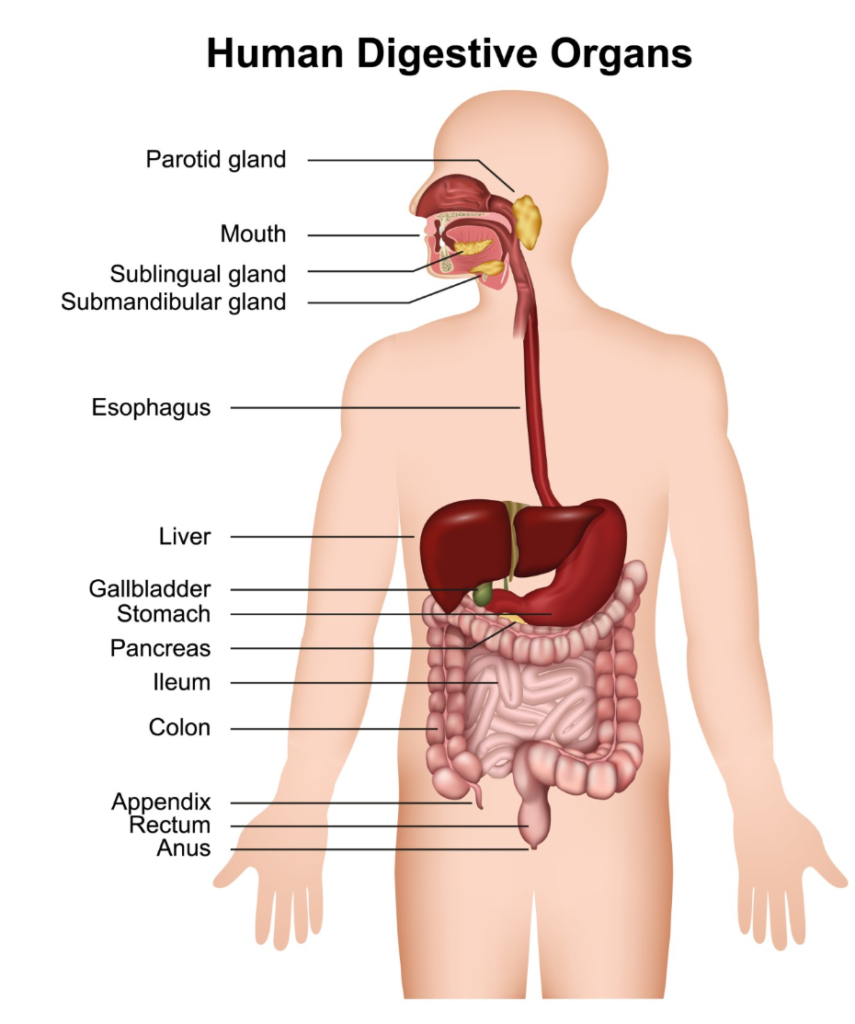
The biology of silent gallstones
The gallbladder acts as a reservoir for bile, and as long as the exit to this reservoir remains clear, the presence of stones does not necessarily cause distress. Silent gallstones are often composed of cholesterol or pigment and sit at the bottom of the gallbladder. During normal digestion, the gallbladder contracts to expel bile, but if the stones are not pushed into the ductal opening, the process remains painless.
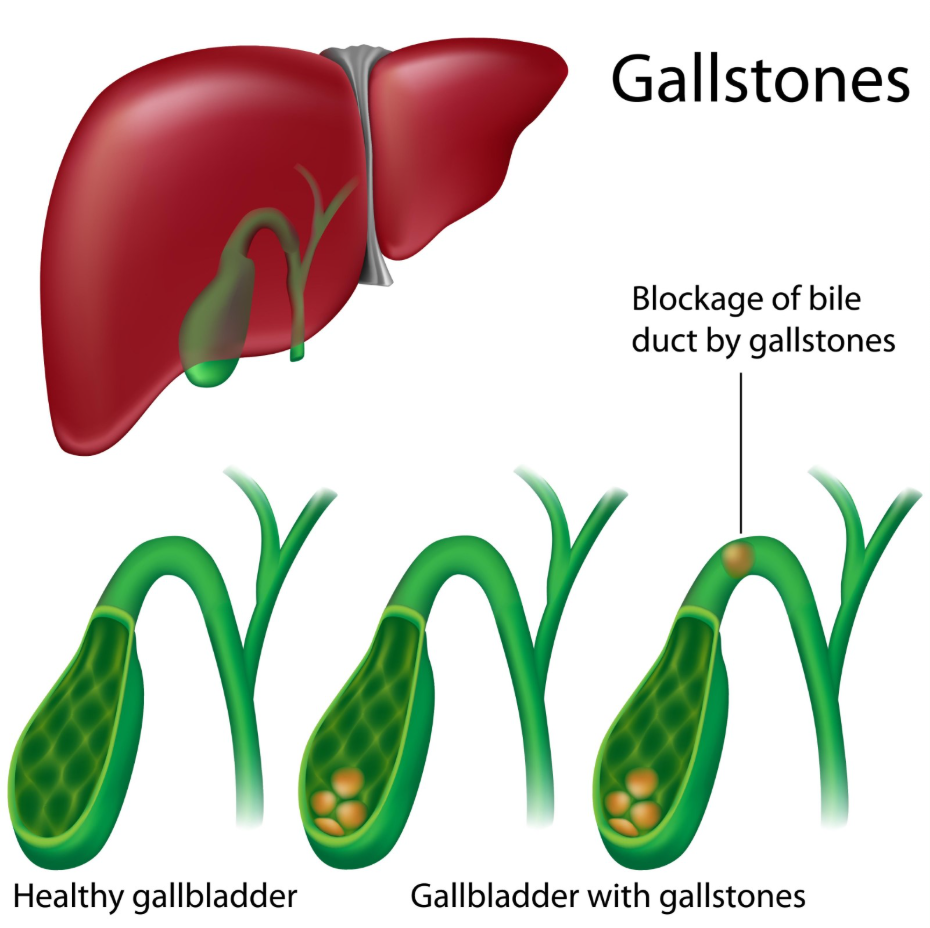
Because the stones are not causing a mechanical blockage, the internal pressure of the gallbladder does not rise, and the organ wall does not become inflamed. This biological stability is why many clinicians in the UK refer to these stones as incidental findings that do not require active management.
The watch and wait approach in the UK
The standard clinical pathway for asymptomatic gallstones in the United Kingdom is a strategy known as “watch and wait” or active observation. This approach avoids exposing patients to the risks of general anaesthesia and surgery when there is no immediate threat to their health. According to the National Institute for Health and Care Excellence, most people with asymptomatic gallstones do not need treatment unless they develop symptoms. Instead of regular scans or blood tests, the focus is placed on patient education. Individuals are informed about the specific symptoms that would indicate a change in their condition, such as sudden pain in the upper right abdomen. This reactive management ensures that medical resources are directed toward symptomatic disease while allowing asymptomatic patients to avoid unnecessary clinical pathways.
Maintaining gallbladder health through lifestyle
While silent gallstones may remain harmless on their own, certain lifestyle choices can help ensure they do not become symptomatic. Maintaining a healthy weight and eating a balanced diet high in fibre can support stable bile chemistry, potentially preventing existing stones from growing or new stones from forming. Rapid weight loss is a known trigger for gallbladder issues, as it can cause the liver to secrete more cholesterol into the bile. UK healthcare providers recommend a gradual approach to weight management to avoid the metabolic shifts that might cause silent stones to move and cause a blockage. By focusing on steady, healthy habits, patients can support their biliary system and reduce the likelihood of a harmless stone transitioning into a clinical problem.
When harmless stones become a concern
Although many gallstones remain dormant, there is always a possibility that a stone will eventually move and cause a temporary or permanent obstruction. This transition is usually marked by the onset of biliary colic, which is a sharp, intense pain felt under the ribs on the right side. You should seek medical advice if you develop sudden and severe abdominal pain, jaundice, or a high temperature. These signs indicate that the stones are no longer harmless and may be causing inflammation or a blockage in the bile ducts. In the UK, the development of any symptoms usually prompts a referral to a specialist to discuss whether the watch and wait approach is still appropriate or if surgical removal of the gallbladder has become necessary.
Long term outlook for asymptomatic patients
The majority of people with incidentally discovered gallstones will never experience a gallbladder attack or require surgery. Research suggests that for those without symptoms, the risk of developing complications such as pancreatitis or cholecystitis is very low. This favourable prognosis supports the restrained approach used by the NHS, where the organ is preserved unless it becomes a source of illness. Patients can live a normal life with silent stones, with no restrictions on their activity or general wellbeing. Regular check-ups for unrelated issues provide an opportunity to discuss any new digestive changes with a GP, ensuring that the monitoring remains effective without being overly invasive.
Conclusion
Mild gallstones can remain harmless and asymptomatic for a lifetime without any medical treatment. In the UK, the clinical preference is to monitor silent stones through symptom awareness rather than surgical intervention. Maintaining a healthy lifestyle and a stable weight can help keep gallstones from causing future issues. While most stones remain dormant, it is important to recognise the signs of pain that indicate a change in status. Following national guidelines ensures that gallbladder health is managed safely and proportionately. If you experience severe, sudden, or worsening symptoms, call 999 immediately.
Will my gallstones eventually grow and cause pain?
While gallstones can increase in size over time, many people have stones that stay the same size and never cause any symptoms.
Should I have my gallbladder removed just in case?
No, UK clinical guidance does not recommend surgery for asymptomatic gallstones because the risks of surgery are generally higher than the risks of the stones themselves.
Can I dissolve silent gallstones with a special diet?
Diet cannot dissolve stones that have already formed, but a healthy diet can help prevent them from causing pain or getting larger.
How common are harmless gallstones in the UK?
They are very common and are often only found when someone has an ultrasound or CT scan for a completely different reason.
Do silent gallstones cause indigestion or bloating?
Indigestion and bloating are common and are often not caused by the gallstones themselves unless they are actually blocking a duct.
What is the risk of a silent stone causing pancreatitis?
The risk is considered very low for people who have never had a gallbladder attack or any symptoms of biliary pain.
Can children have harmless gallstones?
Yes, children can have asymptomatic stones, but they are usually referred to a specialist to investigate if there is an underlying cause.
Authority Snapshot (E-E-A-T Block)
This article was developed by the Medical Content Team to provide clear education on the management of asymptomatic gallbladder disease. The content has been reviewed by Dr. Rebecca Fernandez, a UK-trained physician with experience in general surgery and internal medicine, to ensure absolute alignment with NHS and NICE clinical guidance. Our purpose is to help patients understand conservative management pathways through factual and restrained reporting.
