
Bowel cancer risk is significantly influenced by modifiable lifestyle factors, including dietary habits, physical activity levels, and the consumption of substances such as tobacco and alcohol. While biological factors like age and genetics play a role, clinical research indicates that a large proportion of bowel cancer cases in the United Kingdom could be prevented through healthier daily choices. Understanding how specific behaviours affect the lining of the colon and rectum allows individuals to take proactive steps in reducing their personal risk profile and supporting long-term digestive wellness.
What We’ll Discuss in This Article
- The impact of red and processed meats on the bowel lining.
- The protective role of dietary fibre and whole grains.
- How alcohol consumption contributes to cellular damage.
- The link between tobacco use and the development of polyps.
- The relationship between body weight, physical activity, and cancer risk.
- Practical lifestyle adjustments aligned with national health guidelines.
Dietary Habits and Processed Meat Consumption
Dietary choices are among the most influential lifestyle factors affecting the risk of developing bowel cancer, particularly the high consumption of red and processed meats. Processed meats, such as bacon, sausages, salami, and ham, often contain nitrates and nitrites used for preservation, which can form carcinogenic compounds during digestion. Red meats, including beef, lamb, and pork, contain haeme iron, which may damage the lining of the large bowel and promote the growth of abnormal cells if consumed in excessive quantities.
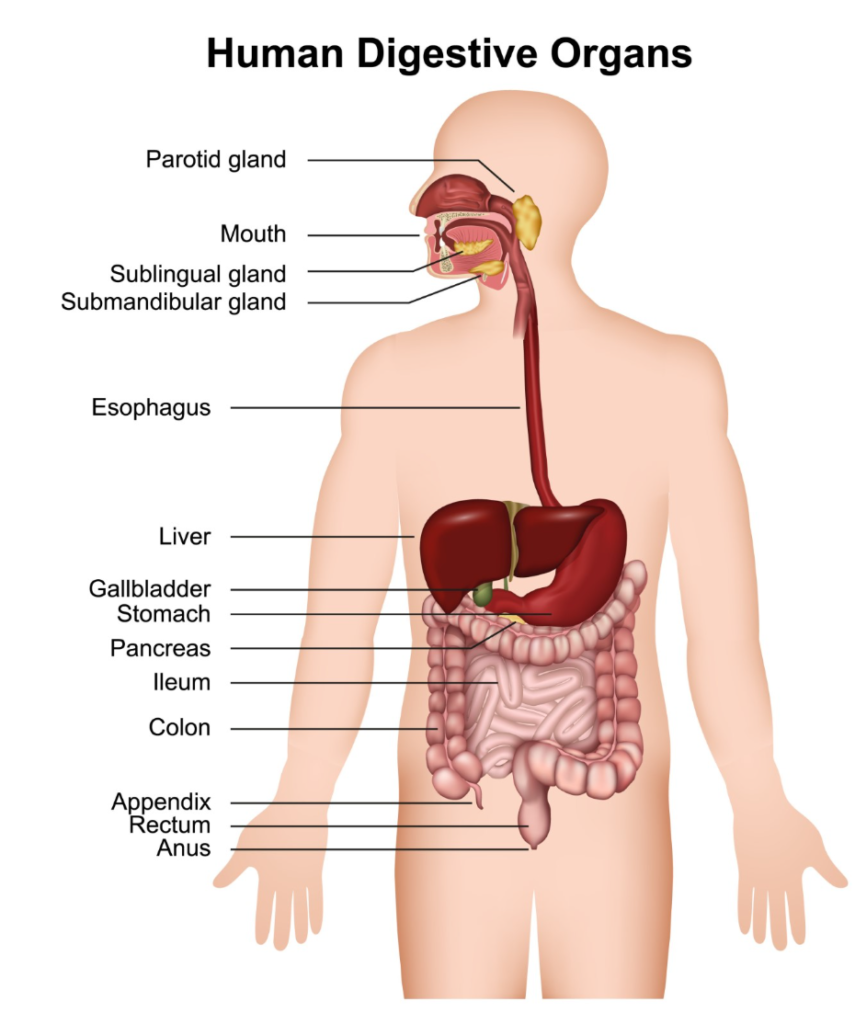
National health standards recommend limiting the intake of these products to reduce the chemical stress placed on the digestive tract. The Department of Health and Social Care advises that people who eat more than 90g of red or processed meat a day should cut down to 70g to help reduce their risk of bowel cancer. Replacing these items with poultry, fish, or plant-based proteins such as beans and pulses can significantly lower the concentration of potentially harmful compounds in the bowel.
The Role of Dietary Fibre and Whole Grains
A diet low in fibre is a major risk factor for bowel cancer because fibre plays a vital role in maintaining the health of the large intestine. Fibre adds bulk to the stool and speeds up the transit time of waste through the colon, which reduces the duration that the bowel wall is exposed to potentially toxic substances. Furthermore, the fermentation of fibre by beneficial gut bacteria produces short-chain fatty acids that help protect the cells of the bowel lining from cancerous changes.
Many adults in the UK do not consume the recommended daily amount of fibre, often relying on refined carbohydrates rather than whole grains. NICE guidelines highlight that increasing the intake of fibre from fruits, vegetables, and whole-grain cereals is an effective strategy for bowel cancer prevention. Transitioning to brown rice, wholemeal bread, and increasing portions of vegetables provides a natural defence mechanism for the digestive system.
Alcohol Consumption and Bowel Health
Alcohol consumption is a significant modifiable risk factor because it breaks down into acetaldehyde, a chemical that damages DNA and prevents cells from repairing themselves. The risk of bowel cancer increases with the amount of alcohol consumed regularly, as the cumulative toxic effect can lead to mutations in the cells of the colon and rectum. Alcohol may also act as a solvent, making it easier for other carcinogens, such as those from tobacco smoke, to enter the cells.
Health authorities advocate for moderation or abstinence to maintain a healthy bowel environment. The risk of developing bowel cancer is higher in people who regularly drink large amounts of alcohol compared to those who drink little or none. Adhering to the UK Chief Medical Officers’ low-risk drinking guidelines, which suggest not regularly drinking more than 14 units per week, is a key step in reducing the lifetime risk of malignancy.
Tobacco Use and Polyps
Smoking is strongly linked to an increased risk of bowel cancer, as the toxins in tobacco smoke are absorbed into the bloodstream and can reach the tissues of the large bowel. Smokers are more likely to develop precancerous growths called polyps, which have the potential to transform into malignant tumours over time. Furthermore, individuals who smoke often develop larger and more numerous polyps, which can complicate clinical monitoring and screening.
The relationship between smoking and bowel health is dose-dependent, meaning the risk increases with the number of years a person has smoked and the quantity of tobacco used. Quitting smoking at any age provides immediate benefits by reducing the systemic inflammatory response and allowing the body’s repair mechanisms to function more effectively. Stopping tobacco use is a cornerstone of cancer prevention strategies in the UK and supports the overall resilience of the digestive tract.
Body Weight and Physical Activity
Maintaining an unhealthy weight, particularly carrying excess fat around the waist, is associated with a higher risk of bowel cancer due to changes in hormone levels and increased inflammation. Obesity can lead to higher levels of insulin and growth factors that stimulate cell division, potentially encouraging the development of tumours. Conversely, regular physical activity is protective because it helps regulate these hormones and improves bowel motility, ensuring waste moves through the system efficiently.
The table below outlines how activity levels and weight management contribute to risk reduction.
| Factor | High Risk Profile | Low Risk Profile |
| Body Mass Index | BMI classified as obese | BMI within the healthy range |
| Physical Activity | Sedentary lifestyle | 150 minutes of moderate activity weekly |
| Waist Circumference | High central adiposity | Leaner abdominal profile |
| Metabolic Health | Insulin resistance | Balanced insulin sensitivity |
Engaging in brisk walking, cycling, or other forms of moderate exercise as part of a daily routine is recommended to support metabolic health. Combining regular movement with a balanced diet creates a multifaceted approach to bowel cancer prevention that addresses both hormonal and mechanical risk factors.
Conclusion
Lifestyle factors such as diet, smoking, and alcohol consumption play a decisive role in the development of bowel cancer. By reducing the intake of processed meats, increasing dietary fibre, and limiting the use of alcohol and tobacco, individuals can significantly lower their risk of cellular damage in the colon and rectum. Maintaining a healthy weight and staying active further support the body’s natural defences against malignancy. Consistency in these healthy habits, alongside participation in national screening, remains the most effective way to manage bowel health. If you experience severe, sudden, or worsening symptoms, call 999 immediately.
Can I still get bowel cancer if I eat a healthy diet?
While a healthy diet significantly reduces the risk, it does not eliminate it entirely, as other factors like age and genetics also contribute to the development of the disease.
How much red meat is safe to eat per week?
UK guidelines suggest limiting red and processed meat to no more than 70g per day, which is roughly equivalent to 500g of cooked weight per week.
Does white meat like chicken increase the risk?
There is currently no strong evidence to suggest that poultry, such as chicken or turkey, increases the risk of bowel cancer.
Is vaping as risky as smoking for bowel cancer?
The long-term effects of vaping on bowel health are still being studied; however, total cessation of all tobacco and nicotine products is the safest path for cancer prevention.
Why does fibre help prevent cancer?
Fibre increases stool bulk and speed, diluting harmful chemicals and reducing the time they spend in contact with the bowel lining.
Does being active help if I am still overweight?
Yes, being physically active provides health benefits and reduces cancer risk regardless of weight, although maintaining a healthy BMI offers the most protection.
What is the most important lifestyle change I can make?
There is no single “most important” change; however, quitting smoking and reducing processed meat while increasing fibre are among the most effective steps you can take.
Authority Snapshot (E-E-A-T)
This article is designed to provide clear and medically accurate information on the lifestyle risks associated with bowel cancer according to UK clinical standards. The content is strictly aligned with the guidelines of the National Health Service (NHS) and the National Institute for Health and Care Excellence (NICE). It has been produced and reviewed by the Medical Content Team and Dr. Rebecca Fernandez to ensure clinical accuracy for a general audience.
