
Dietary management is a cornerstone of treatment for pancreatitis, as the food a person consumes directly affects the workload of the pancreas. The pancreas produces essential enzymes that break down fats, proteins, and carbohydrates; when it is inflamed, it struggles to perform these functions efficiently. Nutritional strategies in the United Kingdom focus on reducing the strain on the organ during the acute phase and transitioning to a balanced, sustainable diet that supports long-term recovery and prevents further inflammation.
What We’ll Discuss in This Article
- Nutritional management during the acute phase in hospital.
- The transition to oral intake and low-fat food choices.
- Long-term dietary recommendations for chronic pancreatitis.
- The importance of hydration and avoiding irritants.
- The role of pancreatic enzyme replacement therapy in digestion.
- Nutritional considerations for preventing future flare-ups.
Dietary Management During Acute Pancreatitis
During the initial stage of acute pancreatitis, the immediate dietary focus is on providing the body with necessary nutrients while allowing the pancreas to rest. Historically, patients were kept Nil By Mouth for long periods, but modern clinical practice in the UK has shifted toward introducing nutrition as soon as it can be tolerated. For most patients with mild inflammation, this involves starting with clear liquids and moving to a low-fat soft diet once the most severe pain and vomiting have subsided.
In cases of severe acute pancreatitis where oral intake is not possible, healthcare teams use enteral nutrition, which involves delivering liquid food via a tube into the stomach or small intestine. Enteral nutrition is preferred over intravenous feeding because it helps maintain the integrity of the gut and reduces the risk of infection. This approach ensures the body receives energy and protein to support the healing process without overstimulating the inflamed pancreatic tissue.
Transitioning to a Low-Fat Diet
Once a patient is ready to eat solid food, a low-fat diet is the primary recommendation because fat is the nutrient that requires the most effort from the pancreas to digest. A low-fat approach typically involves choosing lean proteins, such as skinless chicken or white fish, and focusing on complex carbohydrates like potatoes, rice, and pasta. High-fat foods, including fried items, full-fat dairy, and greasy meats, should be avoided as they can trigger pain or worsen inflammation.
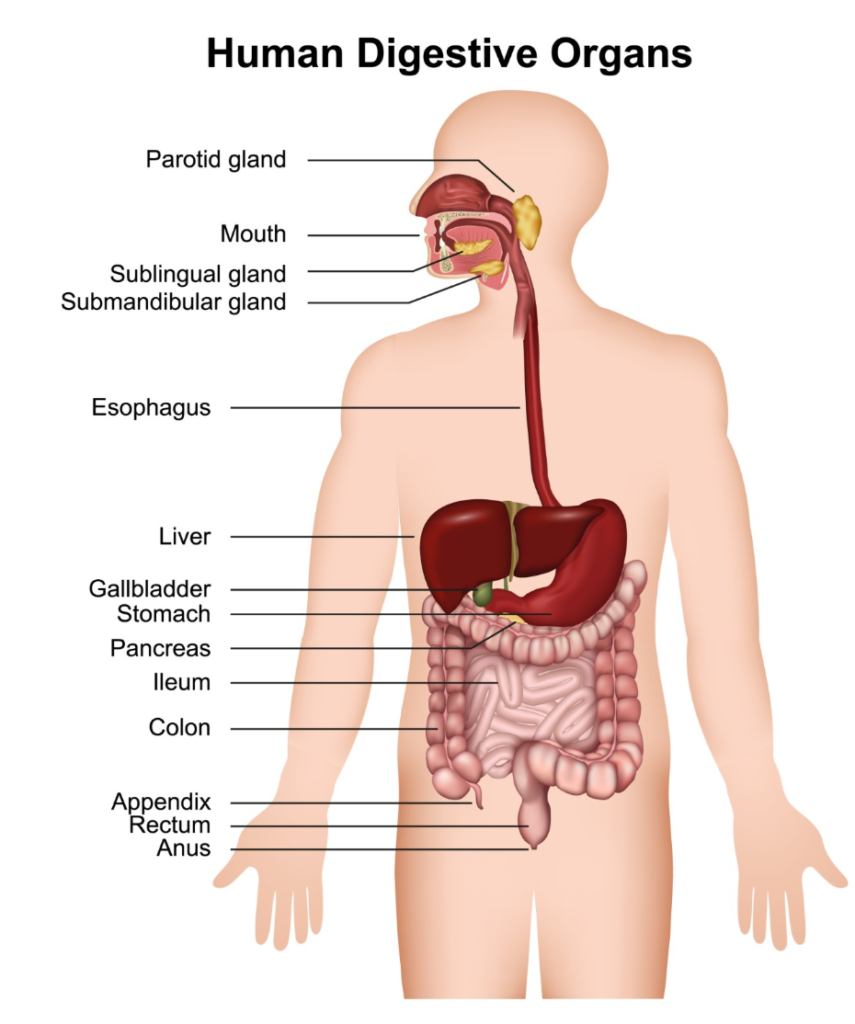
Patients are often advised to eat smaller, more frequent meals throughout the day rather than three large ones. This smaller volume of food is easier for the pancreas to process and helps maintain consistent energy levels without causing a sudden demand for digestive enzymes. The NHS recommends that patients recovering from pancreatitis follow a balanced, low-fat diet to support recovery and reduce the risk of future attacks.
Long-Term Nutrition for Chronic Pancreatitis
For individuals with chronic pancreatitis, the dietary focus shifts to managing permanent damage and ensuring the body can still absorb sufficient nutrients. Because the pancreas may no longer produce enough enzymes, malabsorption can occur, leading to weight loss and vitamin deficiencies. A dietitian typically works with the patient to ensure they are consuming enough calories while still keeping the fat content manageable.
In this phase, it is vital to ensure an adequate intake of fat-soluble vitamins, such as vitamins A, D, E, and K, which are often poorly absorbed when the pancreas is damaged. Some patients may be advised to use Medium-Chain Triglyceride (MCT) oils, as these are easier for the body to absorb without the need for high levels of pancreatic enzymes. The goal is to prevent malnutrition while avoiding foods that cause abdominal discomfort or oily stools.
Avoidance of Irritants and Hydration
Staying hydrated and avoiding specific substances is just as important as the food choices themselves for pancreatic health. Dehydration can worsen the severity of pancreatitis, so patients are encouraged to drink plenty of water throughout the day. Conversely, caffeine and sugary fizzy drinks should be limited, as they can sometimes irritate the digestive tract or contribute to blood sugar fluctuations.
The most critical dietary restriction is the absolute avoidance of alcohol. Alcohol is a primary trigger for pancreatic inflammation and can cause significant damage even in small amounts for those who have already had pancreatitis. Similarly, smoking cessation is strongly advised, as tobacco use significantly accelerates the progression of pancreatic scarring and increases the risk of developing pancreatic cancer.
The Role of Pancreatic Enzyme Replacement Therapy
Many people with long-term pancreatic damage require Pancreatic Enzyme Replacement Therapy (PERT) to help them digest their food. These are capsules containing enzymes that must be taken with every meal and snack to replicate the natural function of the pancreas. PERT helps the body break down fats, proteins, and starches, which reduces symptoms like bloating, gas, and greasy stools.
For PERT to be effective, it must be taken correctly, usually at the start of or during the meal. The dose is often adjusted based on the fat content of the food being consumed. This therapy is a vital component of the “dietary” management of chronic pancreatitis, as it allows the patient to maintain a more varied diet while ensuring they do not suffer from the effects of malabsorption.
Comparison of Food Choices for Recovery
The following table provides examples of foods generally encouraged or discouraged during the recovery phase of pancreatitis.
| Food Group | Recommended Options | Foods to Avoid |
| Proteins | Skinless poultry, white fish, beans, lentils | Red meat, sausages, fried fish, eggs in oil |
| Dairy | Fat-free yoghurt, skimmed milk, low-fat cottage cheese | Full-fat milk, butter, cream, hard cheeses |
| Carbohydrates | Rice, pasta, potatoes (boiled/mashed without butter) | Pastries, chips, croissants, creamy pasta sauces |
| Fruits & Veg | All fresh or steamed vegetables, most fruits | Vegetables prepared in butter or cream sauces |
| Snacks | Rice cakes, plain crackers, fruit | Chocolate, crisps, biscuits, cake |
Conclusion
The diet recommended for pancreatitis focuses on low-fat, nutrient-dense foods that minimise the workload of the pancreas. During the acute phase, hospital-based nutritional support is essential, while long-term management involves avoiding alcohol, staying hydrated, and potentially using enzyme supplements. Consistent dietary choices are vital for preventing recurrence and ensuring the body receives the necessary nutrients for long-term health. If you experience severe, sudden, or worsening symptoms, call 999 immediately.
How much fat can I have per day after pancreatitis?
There is no single number for everyone, but many UK specialists suggest aiming for a very low-fat intake, often less than 30g to 50g per day, depending on individual tolerance and advice from a dietitian.
Can I eat eggs if I have had pancreatitis?
Poached or boiled eggs are generally acceptable in moderation as they are lower in fat than eggs fried in oil or butter. However, some people find that eggs still trigger discomfort, so it is best to reintroduce them slowly.
Why is alcohol so dangerous for the pancreas?
Alcohol is a direct toxin to the pancreatic cells and can cause them to produce harmful chemicals that trigger inflammation. For a damaged pancreas, even small amounts can lead to a severe flare-up.
Do I need to take vitamins?
If you have chronic pancreatitis or malabsorption, you may need supplements for fat-soluble vitamins (A, D, E, and K). This should be discussed with your doctor based on your blood test results.
Can I ever eat high-fat foods again?
Most people who have had pancreatitis are advised to stick to a lower-fat diet long-term to prevent future attacks. While an occasional small increase might be tolerated, high-fat meals remain a significant risk factor for recurrence.
Is honey or sugar okay for the pancreas?
While sugar does not require pancreatic enzymes for digestion, it does require insulin. Since the pancreas also produces insulin, a diet very high in sugar can put a different kind of strain on the organ, especially if there is a risk of diabetes.
Authority Snapshot (E-E-A-T)
This article provides educational information on dietary management for pancreatitis based on UK clinical standards. All recommendations are strictly aligned with the National Health Service (NHS) and the National Institute for Health and Care Excellence (NICE) guidelines for pancreatic nutrition. The content has been reviewed by the Medical Content Team and Dr. Stefan Petrov to ensure accuracy and safety for the general public.
