
Hospital admission is considered the standard of care for individuals suspected of having acute pancreatitis due to the potential for rapid physiological changes and the need for intensive supportive treatment. While some cases are mild, the pancreas is a vital organ that, when inflamed, can affect the entire body, necessitating close clinical monitoring that cannot be safely provided at home. Inpatient care allows healthcare professionals to deliver essential fluids, manage severe pain, and monitor for complications that may require immediate intervention.
What We’ll Discuss in This Article
- Why acute pancreatitis is managed in a hospital setting.
- The essential treatments provided during an inpatient stay.
- How doctors monitor for signs of clinical deterioration.
- The criteria used to determine the length of a hospital stay.
- When intensive care or high-dependency units are required.
- The role of outpatient management in chronic pancreatitis.
Necessity of Hospital Admission for Acute Cases
Hospital admission is necessary for acute pancreatitis because it allows for the rapid delivery of intravenous fluids and strong analgesia which are essential for recovery. When the pancreas becomes inflamed, the body often loses significant amounts of fluid, leading to dehydration and potential kidney strain. Being in a hospital environment ensures that clinicians can monitor vital signs such as blood pressure, heart rate, and urine output in real time to prevent systemic complications.
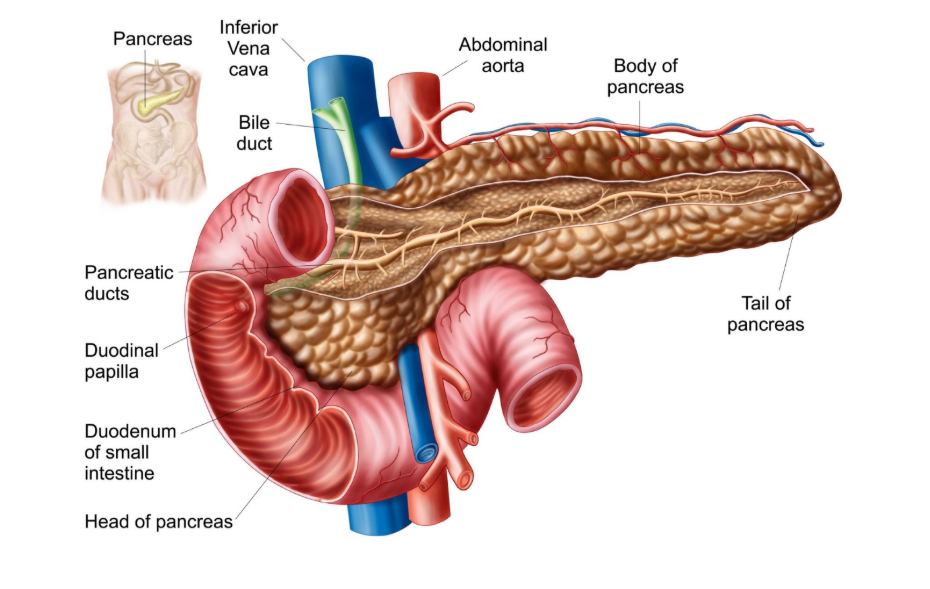
The unpredictable nature of pancreatic inflammation means that a case that appears mild at onset can potentially worsen within the first 48 to 72 hours. The NHS recommends hospital admission for anyone with acute pancreatitis to ensure they receive appropriate supportive care and monitoring. This period of observation is critical for identifying whether the inflammation is resolving or if further specialised interventions, such as imaging or nutritional support, are required.
Essential Inpatient Treatments and Monitoring
During a hospital admission for pancreatitis, the primary focus is on stabilising the patient through fluid resuscitation and pain control. Because the condition often causes severe vomiting and the inability to tolerate oral fluids, intravenous (IV) drips are used to maintain hydration and electrolyte balance. This treatment is closely adjusted based on daily blood tests that check for markers of inflammation and organ function.
Pain management is another cornerstone of inpatient care, often requiring medications that must be administered and monitored by trained nursing staff. In addition to these treatments, the medical team performs regular physical examinations to check for abdominal tenderness or signs of infection. This level of oversight ensures that any changes in the patient’s condition are caught early, reducing the risk of long-term damage to the pancreas or other organs.
Monitoring for Complications and Severity
A significant reason for hospitalisation is the need to monitor for complications such as pancreatic necrosis or organ failure. In severe cases, the inflammation can spread beyond the pancreas, affecting the lungs, heart, or kidneys. Clinical teams use specific scoring systems and repeat blood tests, such as C-reactive protein (CRP), to assess the severity of the disease during the first few days of the admission.
NICE guidelines specify that patients with severe acute pancreatitis or those at high risk of complications should be managed in a specialist setting. If a patient shows signs of respiratory distress or falling blood pressure, they may be moved to a High Dependency Unit (HDU) or an Intensive Care Unit (ICU). These units provide a higher ratio of staff to patients and advanced equipment to support vital functions while the inflammation subsides.
Length of Stay and Discharge Criteria
The duration of a hospital stay for pancreatitis varies depending on the severity of the inflammation and how quickly the patient can resume normal activities. For mild cases, the stay may last between three and seven days, during which time the patient transitions from intravenous fluids to an oral diet. Discharge is usually considered once the pain is manageable with oral medication, the patient can eat and drink without vomiting, and blood tests show a clear downward trend in inflammatory markers.
In more complex or severe cases, the admission can last for several weeks, particularly if the patient requires tube feeding or procedures to drain fluid collections. Before leaving the hospital, the medical team will ensure that the underlying cause, such as gallstones, has been identified and a plan is in place for follow-up care. This comprehensive approach ensures that the transition back to home life is safe and that the risk of a repeat episode is minimised.
Outpatient Management for Chronic Pancreatitis
While acute episodes require hospitalisation, chronic pancreatitis is often managed on an outpatient basis unless a sudden “flare-up” occurs. Patients with chronic pancreatitis regularly visit specialist clinics to monitor their digestion and blood sugar levels. In this setting, the focus shifts to long-term management, such as adjusting pancreatic enzyme replacement therapy (PERT) and monitoring for nutritional deficiencies or the development of diabetes.
If a person with chronic pancreatitis experiences a significant increase in pain or a change in symptoms, they may be admitted to the hospital briefly for reassessment and intensive pain management. However, the goal of chronic care is to keep the patient stable and comfortable at home through lifestyle adjustments and consistent medical supervision. This distinguishes the long-term management of the disease from the emergency nature of an acute attack.
Comparison of Care Settings for Pancreatitis
The following table compares the different levels of care required based on the clinical presentation of the condition.
| Level of Care | Type of Pancreatitis | Primary Interventions |
| Emergency Admission | All suspected acute cases | IV fluids, strong pain relief, vital sign monitoring |
| High Dependency / ICU | Severe acute cases | Oxygen therapy, organ support, intensive monitoring |
| Inpatient Ward | Resolving acute cases | Transition to oral diet, gallstone investigation |
| Outpatient Clinic | Stable chronic cases | Enzyme monitoring, nutritional advice, diabetes screening |
Conclusion
Hospital admission is a fundamental requirement for the safe management of acute pancreatitis, ensuring that patients receive the necessary fluids and monitoring to recover. While the intensity of care depends on the severity of the inflammation, the initial period of inpatient observation is vital for preventing complications. Chronic cases are generally managed through regular clinic appointments, though hospitalisation remains an option for managing acute exacerbations. If you experience severe, sudden, or worsening symptoms, call 999 immediately.
Can I be treated for a mild attack at my GP surgery?
No, a GP surgery does not have the facilities for the intravenous fluids and continuous monitoring required for acute pancreatitis. If your GP suspects you have the condition, they will refer you to the hospital immediately.
What happens if I refuse to go to the hospital?
Refusing hospitalisation for acute pancreatitis is risky because the condition can cause rapid dehydration and organ strain that cannot be managed at home. Medical supervision is essential to ensure you remain stable.
Do I have to stay in the hospital until my blood tests are completely normal?
Not necessarily. Doctors often discharge patients once their symptoms have improved and blood tests show a consistent downward trend, even if they haven’t returned to the exact baseline levels yet.
Will I be in a private room or a general ward?
In the NHS, most patients are admitted to a general medical or surgical ward. If your condition is very severe, you may be moved to a smaller, more specialised unit like an HDU or ICU.
Can my family visit me while I am being treated?
Yes, standard hospital visiting hours usually apply, although these may be restricted if you are in a high-dependency or intensive care area to ensure a quiet environment for recovery.
Will I need a scan as soon as I am admitted?
You may have an ultrasound early on to check for gallstones, but other scans like a CT are often delayed for a few days to get the most accurate view of the inflammation.
Authority Snapshot (E-E-A-T)
This article is developed to provide factual information regarding hospital admission protocols for pancreatitis in the United Kingdom. All content is strictly aligned with the clinical frameworks provided by the NHS and the National Institute for Health and Care Excellence (NICE). The material has been reviewed by the Medical Content Team and Dr. Stefan Petrov to ensure accuracy and safety for the general public.
