
The treatment for acute pancreatitis primarily takes place in a hospital setting to ensure the patient receives intensive supportive care while the pancreas recovers from inflammation. Because there is currently no specific medication that can directly “cure” the inflammation of the pancreas, the focus of medical management is on providing intravenous fluids, controlling pain, and ensuring adequate nutrition. Most cases of acute pancreatitis are mild and improve within a week with conservative management, but severe cases require more complex interventions to manage complications and protect vital organ function.
What We’ll Discuss in This Article
- The essential role of intravenous fluid resuscitation.
- Methods used for pain management in a hospital setting.
- Nutritional support and the importance of early feeding.
- Identifying and treating the underlying cause of the inflammation.
- Management of severe acute pancreatitis and potential complications.
- Follow-up care and lifestyle adjustments after hospital discharge.
Initial Hospital Management and Fluid Therapy
The first and most critical step in treating acute pancreatitis is the administration of intravenous fluids to prevent dehydration and maintain blood flow to the pancreas. Inflammation of the pancreas can cause large amounts of fluid to move out of the bloodstream and into the abdominal cavity, which can lead to a dangerous drop in blood pressure and kidney strain. Doctors use a cannula to deliver saline or other balanced fluids directly into a vein, often in large volumes during the first 24 hours of admission.
Monitoring is a significant part of this initial phase, as the medical team must balance the need for fluids with the risk of overloading the heart or lungs. Nurses and doctors regularly check urine output, blood pressure, and oxygen levels to ensure the body is responding correctly to the treatment. The management of acute pancreatitis in the UK follows specific protocols to ensure that fluid resuscitation is both prompt and carefully tailored to the individual patient’s needs.
Pain Relief and Symptom Control
Pain management is a priority in the treatment of acute pancreatitis, as the inflammation often causes severe and distressing abdominal pain. Standard over-the-counter painkillers are typically insufficient for the intensity of pancreatic pain, so hospital teams often use stronger medications, such as opioids, delivered via injection or a patient-controlled analgesia (PCA) pump. A PCA pump allows the patient to self-administer small, safe doses of pain relief at the press of a button.
In addition to pain relief, medications to control nausea and vomiting are frequently administered, as these are common symptoms during an acute flare-up. By controlling pain and nausea, the medical team helps the patient remain comfortable and reduces the physiological stress on the body. As the inflammation subsides over several days, the strength of the pain relief is gradually reduced until the patient can transition to oral medications.
Nutritional Support and Early Feeding
Current medical guidance has shifted toward encouraging patients to start eating as soon as they can tolerate food, rather than keeping the stomach empty for long periods. For mild cases, a low-fat diet is often introduced once the initial severe pain and vomiting have settled. Early oral nutrition is believed to help maintain the health of the digestive tract and reduce the risk of infections during recovery.
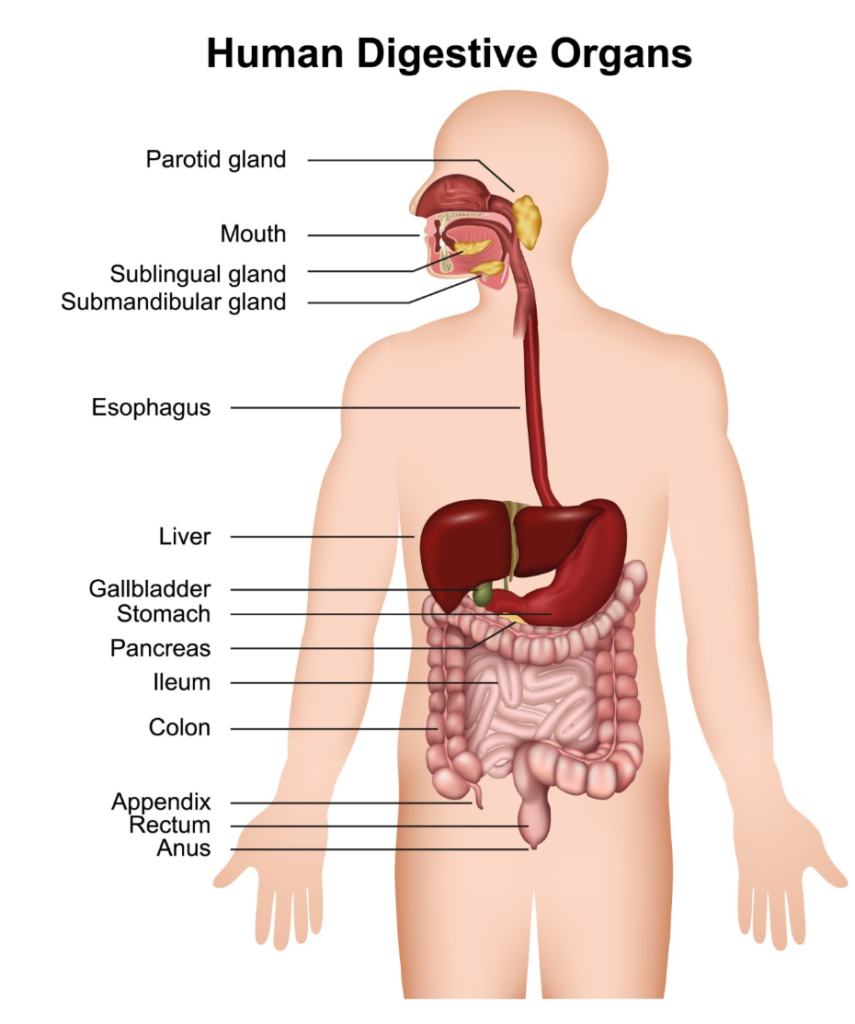
If a patient has severe pancreatitis and cannot eat normally, the medical team may provide nutritional support through a feeding tube. This is usually an enteral tube, which passes through the nose into the stomach or small intestine, delivering specialised liquid nutrition. NICE guidelines recommend enteral nutrition over intravenous feeding for patients with severe acute pancreatitis because it is associated with a lower risk of complications.
Treating the Underlying Cause
A vital part of the treatment pathway involves identifying and addressing the trigger that caused the pancreas to become inflamed. If the cause is found to be gallstones, the patient may need a procedure to remove the stones or the entire gallbladder. In some instances, an Endoscopic Retrograde Cholangiopancreatography (ERCP) is performed to clear a blockage in the bile duct using a thin, flexible tube with a camera.
If alcohol consumption is the primary trigger, the hospital team will provide support and resources to help the patient stop drinking to prevent future attacks. Similarly, if high levels of blood fats (triglycerides) or a specific medication caused the inflammation, doctors will implement strategies to lower these levels or find alternative medications. Addressing the root cause is the most effective way to ensure that acute pancreatitis does not become a recurring or chronic issue.
Managing Severe Cases and Complications
Severe acute pancreatitis requires more intensive monitoring, often in a High Dependency Unit (HDU) or Intensive Care Unit (ICU). In these cases, the inflammation may affect other organs, such as the lungs or kidneys, requiring temporary support like a ventilator or dialysis. If the pancreatic tissue dies (necrosis) and becomes infected, antibiotics may be prescribed, or a procedure may be needed to drain the infected fluid.
Modern treatment for infected necrosis in the UK follows a “step-up” approach, where doctors first try minimally invasive drainage using a needle or an endoscope before considering major surgery. This cautious approach reduces the physical strain on the patient and has been shown to improve recovery outcomes. Interventional radiologists and specialist surgeons work closely together to decide the safest timing for these procedures.
Comparison of Management for Mild vs. Severe Pancreatitis
The table below outlines the general differences in treatment intensity based on the severity of the acute episode.
| Treatment Aspect | Mild Acute Pancreatitis | Severe Acute Pancreatitis |
| Location of Care | Standard Hospital Ward | HDU or Intensive Care Unit |
| Fluid Therapy | Standard intravenous fluids | Intensive fluid resuscitation |
| Nutrition | Early oral low-fat diet | Tube feeding (enteral nutrition) |
| Pain Management | Intravenous or oral medication | PCA pump or intensive analgesia |
| Interventions | Usually none needed | Possible drainage or surgery |
| Recovery Time | 5 to 7 days | Several weeks or months |
Conclusion
The treatment of acute pancreatitis is focused on supporting the body with fluids, pain relief, and nutrition while the inflammation naturally subsides. While mild cases often resolve quickly with basic hospital care, severe cases require a multidisciplinary team to manage complications and provide organ support. Addressing the underlying cause, whether it be gallstones or lifestyle factors, is essential for long-term recovery and the prevention of future episodes. If you experience severe, sudden, or worsening symptoms, call 999 immediately.
How long will I have to stay in the hospital?
Most people with mild acute pancreatitis stay in the hospital for about 5 to 7 days. If the condition is severe or complications develop, the stay can extend to several weeks or even months.
Why can’t I just take antibiotics to fix it?
Antibiotics only treat infections caused by bacteria, whereas pancreatitis is primarily an inflammatory condition. Antibiotics are only used if there is clear evidence that the pancreatic tissue or surrounding fluid has become infected.
When can I start drinking water or eating again?
Your medical team will usually allow you to drink clear fluids once your nausea is under control and your pain is manageable. Food is typically introduced shortly after as your appetite returns.
Will I need surgery to remove my gallbladder immediately?
If gallstones caused your pancreatitis, UK guidelines often suggest having your gallbladder removed during the same hospital stay or within two weeks to prevent another attack.
Can I be treated for pancreatitis at home?
No, acute pancreatitis requires hospital admission for intravenous fluids and close monitoring of your vital signs. Home management is not safe due to the risk of rapid dehydration and complications.
What happens if the cause of my pancreatitis isn’t found?
If initial tests don’t find a cause, you may have further specialised scans or tests later. In some cases, a specific cause is never found; this is known as “idiopathic” pancreatitis.
Authority Snapshot (E-E-A-T)
This article is designed to provide clear and medically accurate information on the treatment of acute pancreatitis in the UK. The content is strictly aligned with the clinical standards of the National Health Service (NHS) and the National Institute for Health and Care Excellence (NICE). It has been produced and reviewed by the Medical Content Team and Dr. Stefan Petrov to ensure it meets the highest standards of patient education.
