
Pancreatitis is a condition where the pancreas becomes inflamed, and while many cases resolve without further issues, it can lead to serious short-term and long-term health complications. These complications occur because the pancreas plays a vital role in both digestion and the regulation of blood sugar. When the organ is damaged by inflammation, its ability to produce essential enzymes and hormones may be impaired, affecting various systems throughout the body. Understanding these risks is essential for the effective management and monitoring of the condition over time.
What We’ll Discuss in This Article
- The development of exocrine pancreatic insufficiency and malabsorption.
- How pancreatic damage can lead to the onset of diabetes.
- The formation of pancreatic pseudocysts and their clinical significance.
- Serious acute complications such as pancreatic necrosis and infection.
- The impact of severe inflammation on other vital organs.
- Long-term structural changes and the risk of chronic scarring.
Exocrine Pancreatic Insufficiency and Malabsorption
Exocrine pancreatic insufficiency occurs when the pancreas can no longer produce or release enough digestive enzymes to break down food effectively. The pancreas is responsible for secreting enzymes that process fats, proteins, and carbohydrates; when these are lacking, nutrients pass through the digestive system without being absorbed into the body. This often leads to malnutrition, unintended weight loss, and specific digestive symptoms even if a person is eating a normal amount of food.
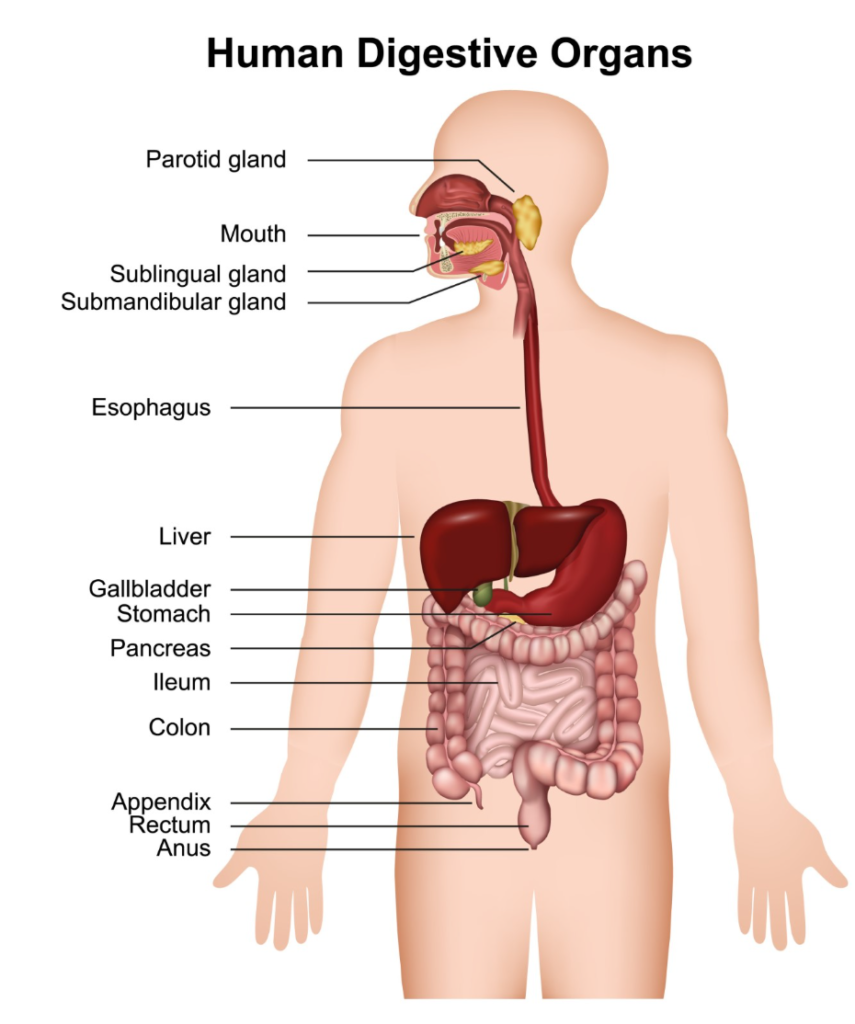
Symptoms of this complication typically include abdominal bloating, excessive flatulence, and steatorrhea, which refers to stools that are pale, oily, foul-smelling, and difficult to flush. The management of pancreatic insufficiency in the UK usually involves pancreatic enzyme replacement therapy to help the body digest nutrients and maintain a healthy weight. If left untreated, a lack of fat-soluble vitamins such as A, D, E, and K can lead to further health issues, including weakened bones and impaired vision.
Pancreatogenesis Diabetes (Type 3c)
Pancreatogenesis diabetes, often known as Type 3c diabetes, arises when the internal damage to the pancreas affects the clusters of cells responsible for producing insulin. Unlike Type 1 or Type 2 diabetes, this form is a direct result of physical damage to the organ’s structure from inflammation or scarring. Because the pancreas also produces other hormones that help prevent blood sugar from dropping too low, managing this specific type of diabetes can be complex and requires specialist medical supervision.
NICE guidelines recommend regular monitoring of blood glucose levels for anyone who has experienced severe acute or chronic pancreatitis to identify the early onset of diabetes. Patients with Type 3c diabetes often require insulin therapy because the organ can no longer meet the body’s requirements. Long-term management focuses on balancing diet, enzyme replacement, and insulin to maintain stable glucose levels and prevent the vascular complications associated with diabetes.
Pancreatic Pseudocysts and Fluid Collections
In the aftermath of an acute attack, fluid-filled sacs known as pseudocysts can develop on the surface or inside the pancreas. While these are not true cysts, they contain pancreatic juices, blood, and tissue debris that can cause persistent pain or blockages in the stomach and intestines. Most small pseudocysts resolve on their own with time, but larger ones may require medical intervention if they become infected, rupture, or put excessive pressure on surrounding organs.
Healthcare professionals use imaging, such as CT or MRI scans, to monitor the size and stability of these collections. If a pseudocyst causes significant symptoms, it may need to be drained using a needle or an endoscope. Rupture of a pseudocyst is a medical emergency that can cause internal bleeding or peritonitis, which is inflammation of the lining of the abdomen.
Pancreatic Necrosis and Infection
Severe acute pancreatitis can cause a complication called necrosis, where parts of the pancreatic tissue lose their blood supply and die. This dead tissue is highly susceptible to bacterial infection, which can lead to a life-threatening condition called infected necrosis. In such cases, the body’s inflammatory response becomes much more intense, often requiring admission to an intensive care unit for specialised treatment.
Modern clinical practice in the UK follows a step-up approach to managing infected necrosis. This typically begins with targeted antibiotics and minimally invasive procedures to drain the infected fluid. If these measures are unsuccessful, a surgical procedure may be required to remove the dead tissue. This careful management is essential for preventing the infection from spreading to the bloodstream and causing sepsis.
Systemic Impact on Other Organs
Severe acute pancreatitis can trigger a systemic inflammatory response that affects organs far removed from the abdomen. The chemicals released during intense pancreatic inflammation can enter the bloodstream and cause damage to the lungs, leading to acute respiratory distress syndrome, or impact the kidneys, causing acute kidney failure. These systemic complications are serious and require immediate hospital-based organ support.
Monitoring for these complications involves regular blood tests to check kidney function and arterial blood gas tests to ensure the blood is sufficiently oxygenated. Prompt treatment with intravenous fluids and, if necessary, the use of a ventilator or dialysis is essential for stabilising the patient. While these complications are daunting, early medical intervention significantly improves the chances of recovery and limits long-term damage to these systems.
Chronic Scarring and Long-term Risks
Long-term inflammation leads to a process called fibrosis, where healthy pancreatic tissue is permanently replaced by tough, non-functional scar tissue. This scarring is the hallmark of chronic pancreatitis and is irreversible, leading to a progressive decline in the organ’s ability to function. Chronic scarring also contributes to persistent abdominal pain that can significantly impact a person’s quality of life and mental well-being.
There is also a noted increase in the risk of developing pancreatic cancer in individuals with long-term chronic pancreatitis. The continuous cycle of inflammation and cellular repair can eventually lead to genetic mutations in the pancreatic cells. To manage this risk, UK healthcare providers emphasise the total avoidance of alcohol and smoking, as these factors significantly accelerate the progression of scarring and further increase the likelihood of malignancy.
Comparison of Acute versus Chronic Complications
The following table compares the typical complications seen in the sudden phase versus the long-term phase of the condition.
| Complication Category | Acute Pancreatitis | Chronic Pancreatitis |
| Digestion | Temporary loss of appetite | Permanent enzyme deficiency |
| Metabolic | Temporary blood sugar spikes | Permanent Type 3c Diabetes |
| Structural | Necrosis and Pseudocysts | Fibrosis and Calcification |
| Systemic | Lung or Kidney Strain | Malnutrition and Bone thinning |
| Malignancy | Low risk | Increased risk of Pancreatic Cancer |
Conclusion
The complications arising from pancreatitis range from immediate organ strain to long-term metabolic and digestive disorders. Early identification of issues such as pancreatic insufficiency and diabetes is crucial for initiating the correct replacement therapies and preventing further health decline. Consistent medical follow-up and strict adherence to lifestyle changes, particularly the avoidance of alcohol and tobacco, remain the most effective ways to manage these risks and support long-term health. If you experience severe, sudden, or worsening symptoms, call 999 immediately.
Can pancreatic insufficiency be cured?
Exocrine pancreatic insufficiency caused by scarring is generally a permanent condition. However, it can be effectively managed with pancreatic enzyme replacement therapy, allowing most people to digest food and maintain their weight.
Why does pancreatitis affect the lungs?
The severe inflammation in the pancreas releases chemicals into the blood that can travel to the lungs, causing fluid to leak into the air sacs and making it difficult to breathe.
Is Type 3c diabetes the same as Type 2?
No, Type 3c is caused by physical damage to the pancreas, whereas Type 2 is usually related to insulin resistance. Type 3c often requires insulin sooner and can be more prone to fluctuations in blood sugar levels.
How do doctors know if a pseudocyst needs treatment?
Clinicians use scans to monitor the size and location of pseudocysts. Treatment is usually only required if the cyst causes significant pain, becomes infected, or blocks the digestive tract.
Can complications arise years after the first attack?
Yes, chronic complications like diabetes and enzyme deficiency can develop slowly over many years, especially if the initial inflammation leads to progressive scarring of the organ.
What is the best way to prevent these complications?
The most effective preventive measures are total avoidance of alcohol, quitting smoking, and following a low-fat diet to reduce the workload and chemical stress on the pancreas.
Authority Snapshot (E-E-A-T)
This article provides educational information on the complications of pancreatitis according to UK clinical guidelines. The content is strictly aligned with the standards of the National Health Service (NHS) and the National Institute for Health and Care Excellence (NICE). It has been reviewed by the Medical Content Team and Dr. Rebecca Fernandez to ensure clinical accuracy and relevance for the general public.
