
Maintaining a healthy balanced diet is a fundamental strategy for reducing the risk of pancreatitis and preventing recurrent inflammatory episodes. While certain causes of pancreatitis, such as genetics or certain medical procedures, may be beyond an individual’s control, dietary habits directly influence the metabolic and mechanical stressors placed on the pancreas. By managing the intake of fats, supporting healthy cholesterol levels, and ensuring proper hydration, individuals can create an internal environment that minimises the risk of gallstone formation and chemical irritation, both of which are leading triggers for pancreatic inflammation in the United Kingdom.
What We’ll Discuss in This Article
- The link between dietary fat intake and pancreatic workload.
- How a balanced diet reduces the risk of gallstone formation.
- The role of nutrition in managing high blood triglycerides.
- The importance of hydration for pancreatic secretion flow.
- Dietary considerations for those with existing chronic damage.
- Practical food choices to support long-term pancreatic safety.
Impact of Dietary Fat on Pancreatic Function
A healthy balanced diet prevents pancreatitis attacks primarily by reducing the digestive workload and chemical pressure placed on the organ. The pancreas is responsible for producing lipase, an enzyme specifically designed to break down dietary fats in the small intestine. When a person consumes a meal high in saturated or processed fats, the pancreas must work harder to secrete large volumes of these enzymes, which can irritate the tissue if the organ is already sensitive or damaged.
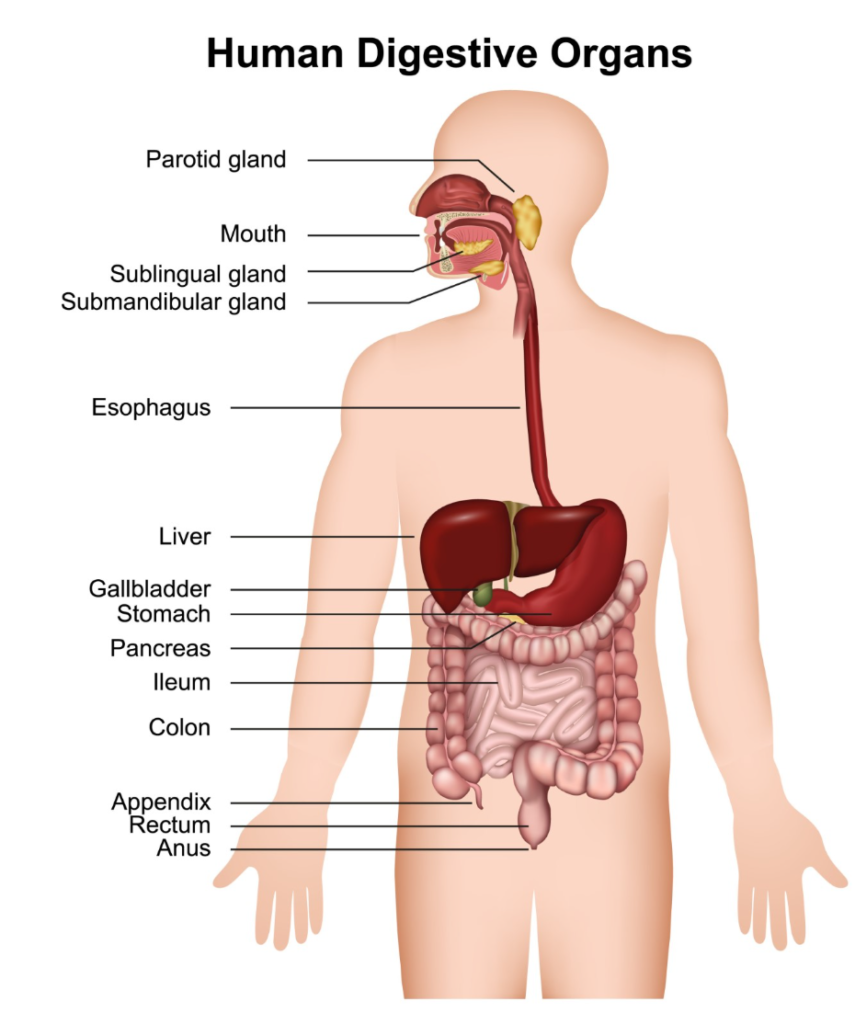
The NHS recommends following a low-fat diet to help prevent acute pancreatitis flare-ups and support the organ during recovery. By choosing lean proteins and limiting greasy or fried foods, individuals can prevent the sudden spikes in enzyme production that often lead to abdominal pain. This dietary restraint is particularly vital for those who have previously experienced an attack, as their pancreatic tissue may be less resilient to metabolic stress.
Reducing the Risk of Gallstones Through Nutrition
One of the most effective ways a balanced diet prevents pancreatitis is by lowering the likelihood of developing gallstones, which are a leading cause of acute attacks. Gallstones often form when there is an imbalance in the chemical composition of bile, frequently due to high levels of cholesterol. A diet rich in fibre, including plenty of fruits, vegetables, and whole grains, helps to regulate cholesterol levels and promotes regular gallbladder contraction, which prevents bile from becoming stagnant and forming stones.
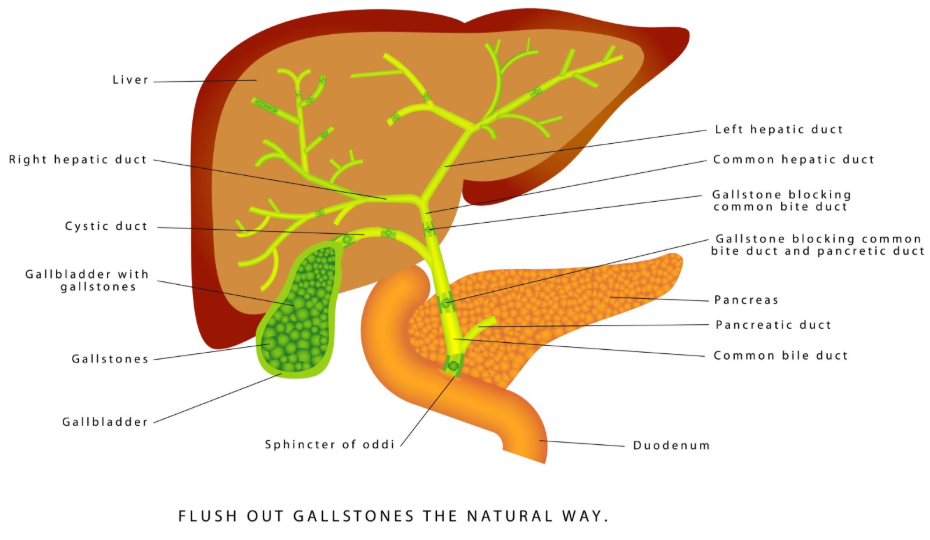
If a gallstone migrates and blocks the pancreatic duct, it can trigger a sudden and severe inflammatory response. Maintaining a healthy weight through a balanced diet also reduces the pressure on the biliary system, further lowering the risk of stone-related complications. Clinicians in the UK emphasise that while surgery may be needed to remove existing stones, a long-term nutritional plan is essential for preventing new stones from forming and causing future episodes of inflammation.
Managing Triglycerides and Metabolic Triggers
A healthy diet is essential for managing high levels of triglycerides in the blood, which is a known metabolic trigger for acute pancreatitis. Triglycerides are a type of fat found in the bloodstream; when these levels become excessively high, the breakdown of these fats can release toxic byproducts that damage the delicate cells of the pancreas. This condition is often linked to a diet high in refined sugars, simple carbohydrates, and alcohol.
NICE guidelines suggest that managing lipid levels through diet and, where necessary, medication is a key component of preventing recurrent pancreatitis attacks. Reducing the intake of sugary drinks and processed snacks while increasing the consumption of omega-3 fatty acids from sources like oily fish can help keep triglyceride levels within a safe range. This metabolic management is a cornerstone of preventive care for individuals identified as having hypertriglyceridemia-induced inflammation.
The Importance of Hydration and Secretion Flow
Proper hydration is a vital but frequently overlooked aspect of a balanced diet for preventing pancreatic issues. The pancreas produces a bicarbonate-rich fluid that carries digestive enzymes into the small intestine; if a person is dehydrated, these secretions can become thick and sluggish. This concentrated fluid is more likely to cause minor “plugs” or blockages within the small pancreatic ducts, leading to irritation and localised inflammation.
Drinking sufficient water throughout the day ensures that pancreatic secretions remain fluid and can pass easily through the ductal system. Patients are encouraged to prioritise water and non-acidic herbal teas over caffeinated or alcoholic beverages, which can have a dehydrating effect. Maintaining optimal hydration is especially important during hot weather or physical exertion to protect the pancreas from the mechanical stress of thickened secretions.
Nutritional Considerations for Chronic Conditions
For those already living with chronic pancreatitis, a healthy diet is used to manage permanent scarring and prevent the condition from worsening. Chronic damage often leads to malabsorption, where the body struggles to extract nutrients from food, making the quality of the diet even more critical. In these cases, the focus is on nutrient density ensuring the body receives enough calories and vitamins without requiring excessive pancreatic effort.
In this stage of the disease, patients may be prescribed pancreatic enzyme replacement therapy (PERT) to be taken with their meals. Specialist dietitians within the NHS work with patients to ensure they are taking their enzymes correctly alongside a low-fat diet to maintain their weight and energy levels. This integrated approach of medication and nutrition is the most effective way to manage the long-term consequences of chronic inflammation and reduce the frequency of painful flare-ups.
Comparison of Recommended and Discouraged Foods
The following table provides a comparison of dietary choices that can influence the risk of pancreatic inflammation.
| Food Group | Encouraged for Prevention | Discouraged (High Risk) |
| Proteins | Skinless chicken, turkey, white fish, lentils | Red meat, sausages, bacon, fried eggs |
| Fats | Small amounts of olive oil, avocado | Butter, lard, heavy cream, palm oil |
| Carbohydrates | Brown rice, oats, wholemeal bread | Sugary cereals, pastries, white biscuits |
| Dairy | Skimmed milk, fat-free yoghurt | Full-fat milk, hard cheeses, ice cream |
| Vegetables | Steamed, roasted, or raw vegetables | Vegetables in creamy or buttery sauces |
Conclusion
A healthy balanced diet is a primary tool for preventing pancreatitis by managing the metabolic and mechanical triggers of inflammation. By maintaining a low-fat intake, supporting healthy cholesterol levels to avoid gallstones, and staying well-hydrated, individuals can significantly reduce the strain on the pancreas. While diet alone may not eliminate every risk factor, it remains a vital component of a long-term strategy to protect the organ and support overall digestive health. If you experience severe, sudden, or worsening symptoms, call 999 immediately.
Can I prevent pancreatitis just by eating well?
A healthy diet significantly reduces the risk, especially for gallstone or triglyceride-related cases. However, some causes, such as genetics or injury, cannot be prevented by diet alone.
How much fat is considered “low fat” for the pancreas?
General UK guidance often suggests aiming for less than 30g to 50g of fat per day for those at risk, but you should consult a dietitian for a specific target based on your health.
Is it safe to go on a crash diet to lose weight quickly?
Rapid weight loss can actually increase the risk of gallstones, which can trigger pancreatitis. It is safer to lose weight gradually through a consistent, balanced nutritional plan.
Are there any specific vitamins I should take for my pancreas?
Unless you have malabsorption or a deficiency, a varied diet usually provides enough vitamins. If you have chronic damage, you may need supplements for fat-soluble vitamins like A, D, E, and K.
Does a balanced diet include alcohol in moderation?
For the general public, moderate drinking is a choice, but for anyone who has had pancreatitis, total abstinence is the safest path to prevent future attacks.
Why are sugary foods bad for the pancreas if it’s fats that cause the problem?
High sugar intake can spike insulin demand and contribute to high triglycerides. Both of these factors put metabolic stress on the pancreas, increasing the risk of inflammation.
Can a high-protein diet like Keto cause pancreatitis?
Keto diets are often very high in fat, which can put a massive strain on the pancreas to produce lipase. This can be a significant trigger for those already vulnerable to pancreatitis.
Authority Snapshot (E-E-A-T)
This article provides educational information on the role of nutrition in preventing pancreatitis, strictly aligned with UK clinical standards. The content is based on the National Health Service (NHS) and the National Institute for Health and Care Excellence (NICE) guidelines for digestive health and disease prevention. It has been reviewed by the Medical Content Team and Dr. Rebecca Fernandez to ensure clinical accuracy and safety for the general public.
