
Diarrhoea is a common condition that most people experience at some point, typically characterised by a sudden onset of loose or watery stools. In the majority of cases, the symptoms are short lived and resolve as the body naturally clears the underlying cause, such as a minor infection or dietary irritation. Understanding the expected timeline for recovery helps individuals manage their symptoms effectively at home while remaining alert to signs that may indicate a need for professional medical guidance.
What We’ll Discuss in This Article
- The typical duration of acute diarrhoea in adults and children.
- How the cause of the episode influences the length of time symptoms persist.
- The physiological stages of recovery as the bowel returns to normal function.
- The importance of hydration during the symptomatic period.
- Factors that can prolong recovery or lead to persistent symptoms.
- When to consult a healthcare professional based on the duration of the illness.
Typical Recovery Timelines for Adults and Children
Most cases of acute diarrhoea resolve within a few days without the need for specific medical treatment. In adults, symptoms typically improve within two to four days, although it may take slightly longer for bowel habits to return completely to their usual pattern. The NHS states that diarrhoea usually stops within 5 to 7 days in children and within 2 to 4 days in adults. While the frequency of bowel movements usually decreases relatively quickly, the consistency of the stool may remain softer than usual for a short period as the gut lining heals.
Factors Influencing Symptom Duration
The length of time diarrhoea lasts is often determined by the specific trigger or pathogen responsible for the disruption of the digestive system. Viral infections, such as norovirus, often have a rapid onset and typically resolve within one to three days. Bacterial infections, frequently associated with food poisoning, may cause symptoms that persist for a week or slightly longer depending on the specific bacteria involved. Other factors, such as the use of certain medications or the presence of food intolerances, can cause symptoms to last as long as the trigger remains in the system. If the cause is related to a long term health condition, the diarrhoea may be intermittent or persistent over a much longer period.
The Process of Gut Recovery
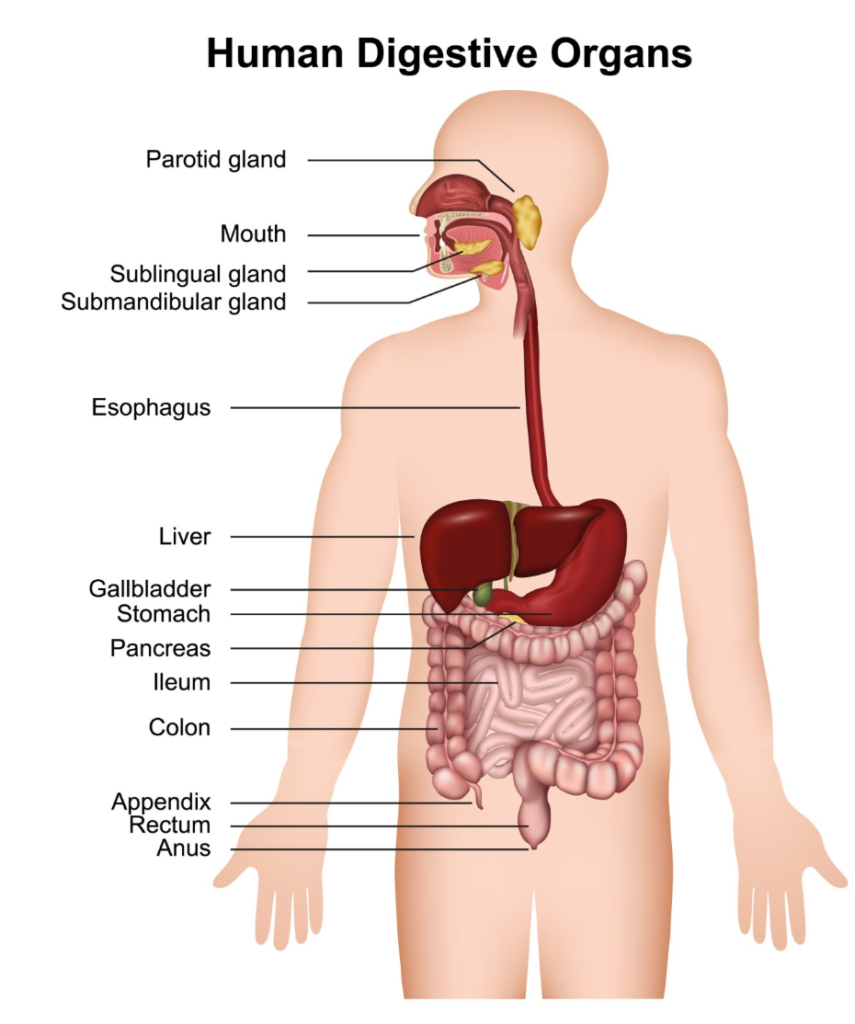
As the body overcomes the initial cause of diarrhoea, the digestive system undergoes a healing process to restore its ability to absorb water and nutrients effectively. During an episode, the lining of the intestines may become temporarily irritated or damaged, which is why stools can remain loose even after the frequency of movements has decreased. It is normal for the gut to be sensitive during this time, and it may take a few days for the natural balance of gut bacteria to stabilise. Maintaining a simple diet and avoiding irritants such as caffeine or very fatty foods during this window can support the recovery of the intestinal mucosa.
Managing Symptoms During the Illness
The primary goal of management while waiting for diarrhoea to resolve is to prevent dehydration by replacing lost fluids and salts. It is essential to drink small, frequent sips of water or clear fluids even if you do not feel thirsty, as the body loses significant moisture through watery stools. The National Institute for Health and Care Excellence recommends that the management of acute diarrhoea should focus on preventing dehydration, especially in vulnerable groups. For some individuals, oral rehydration sachets may be beneficial to ensure the correct balance of electrolytes is maintained during the recovery phase.
When Diarrhoea Becomes Persistent
Diarrhoea that lasts longer than the typical recovery window of a few days is categorised differently by healthcare professionals and may require investigation. If symptoms persist for more than two weeks, it is often referred to as persistent diarrhoea, and if they last longer than four weeks, it is considered chronic. These longer durations suggest that the cause may not be a simple viral infection and could be related to issues such as malabsorption, inflammatory conditions, or persistent parasitic infections. Monitoring the exact duration and any accompanying symptoms is vital for providing an accurate history to a clinician.
When to Seek Medical Advice
You should consult a healthcare professional if diarrhoea does not show signs of improvement within the expected timeframe or if it is accompanied by concerning symptoms. According to the NHS, you should see a GP if diarrhoea lasts more than 7 days or if you have signs of dehydration that are not improving. Immediate advice should also be sought if there is blood in the stool, if you have a persistently high fever, or if you are unable to keep down any fluids due to repeated vomiting. A pharmacist can provide guidance on short term treatments to manage symptoms, but a doctor will be needed if the duration of the illness suggests a more complex underlying cause.
Conclusion
Diarrhoea usually lasts between two and four days for adults and up to a week for children, with most cases resolving through rest and hydration. The duration is often linked to the cause, with viral episodes typically being the shortest. While home management is effective for most, persistent symptoms require a professional assessment to ensure a full recovery. If you experience severe, sudden, or worsening symptoms, call 999 immediately.
Is it normal for diarrhoea to last a whole week?
In children, it is common for symptoms to last up to seven days, but in adults, most cases should show significant improvement within two to four days.
Does taking medicine make diarrhoea go away faster?
Anti-diarrhoeal medicines can reduce the frequency of bowel movements in adults, but they do not treat the underlying cause or necessarily shorten the overall duration of the illness.
Why does my stomach still ache after the diarrhoea has stopped?
The gut lining can remain sensitive, and the muscles may still be slightly irritated for a few days after the stools have returned to normal.
Can I go back to work before the diarrhoea has completely stopped?
You should remain at home until at least 48 hours after the last episode of diarrhoea or vomiting to prevent spreading a possible infection to others.
Will eating help the diarrhoea stop sooner?
Eating small, light meals as soon as you feel able provides the nutrients needed for recovery, but it does not necessarily stop the diarrhoea immediately.
Can dehydration make the illness last longer?
Dehydration affects your body’s ability to recover from any illness, so staying hydrated is essential for supporting the natural healing process of the gut.
When should I worry if a baby has diarrhoea?
Diarrhoea in babies can lead to dehydration very quickly; you should seek advice from a health visitor or GP if it lasts more than 24 hours or if they seem unwell.
Authority Snapshot (E-E-A-T)
This article provides educational information on the duration of diarrhoea in strict alignment with UK health standards and clinical guidelines. The content is developed by a professional medical writing team and reviewed by Dr. Stefan Petrov, a UK-trained physician, to ensure accuracy and patient safety. The information is designed to support the general public in understanding recovery timelines without providing individual diagnosis.
