
Traveller’s diarrhoea is a common digestive tract disorder that frequently affects individuals visiting areas where environmental conditions and sanitation standards differ from their home country. It is primarily caused by the ingestion of contaminated food or water, leading to a temporary disruption of the digestive system. While most cases are self-limiting and resolve within a few days, understanding the biological causes and transmission routes is essential for prevention and effective management during international travel.
What We’ll Discuss in This Article
- Common bacterial, viral, and parasitic pathogens
- Primary routes of transmission through food and water
- Environmental risk factors and high-risk destinations
- The physiological impact on the digestive system
- Standard management and hydration strategies
- When to seek medical attention for persistent symptoms
Bacterial Pathogens and Their Role
Bacteria are the most frequent cause of traveller’s diarrhoea, accounting for the vast majority of identified cases worldwide. The most common organism is enterotoxigenic Escherichia coli, often referred to as ETEC. These bacteria attach to the lining of the small intestine and release toxins that trigger the intestines to secrete excessive amounts of water and electrolytes, resulting in watery stools. Unlike some other bacteria, ETEC typically does not cause high fever or significant damage to the gut wall.
Other bacterial causes include Campylobacter jejuni, Salmonella, and Shigella. These organisms are often associated with more severe symptoms because they can invade the lining of the intestine directly, causing inflammation and, in some cases, bloody stools. Campylobacter is frequently linked to undercooked poultry or unpasteurised milk, while Salmonella can be found in a variety of contaminated animal products. Shigella is highly contagious and is often spread through direct contact or heavily contaminated water sources.
Viral and Parasitic Infections
While bacteria are the primary cause, viruses and parasites are also significant contributors to travel-related gastrointestinal illness. Viral infections, such as those caused by Norovirus or Rotavirus, are common in crowded settings like cruise ships or hotels. These viruses spread rapidly through contaminated surfaces and person-to-person contact. Viral traveller’s diarrhoea usually has a very sudden onset and is often accompanied by significant vomiting alongside loose stools.
Parasitic infections are less common but often cause symptoms that persist much longer than bacterial or viral episodes. Giardia duodenales and Cryptosporidium are two parasites frequently found in contaminated water, including mountain streams and poorly treated swimming pools. Because these parasites can exist in a hardy cyst form, they are often resistant to standard levels of chlorine. Symptoms of a parasitic infection may not appear until a week or two after exposure and can cause prolonged bloating and greasy stools.
Routes of Transmission and Environmental Factors
The transmission of pathogens causing traveller’s diarrhoea occurs primarily through the faecal-oral route, often involving contaminated sustenance. This happens when water or food becomes contaminated with human or animal waste due to inadequate sewage treatment or poor hygiene practices during food preparation. In many regions, tap water is not safe for consumption, and even small amounts used for brushing teeth or making ice cubes can carry enough pathogens to cause illness.
Food safety is equally important, as certain items are higher risk than others. Raw vegetables and fruits that cannot be peeled are often washed in local tap water, which may be contaminated. Undercooked meat, seafood, and unpasteurised dairy products also carry a high risk of containing live bacteria or parasites. Environmental factors, such as high temperatures and humidity, can further encourage the growth of bacteria in food that is left out at room temperature for extended periods. The UK government provides detailed travel health advice for specific destinations to help travellers prepare for potential health risks before they depart.
Physiological Effects on the Gut
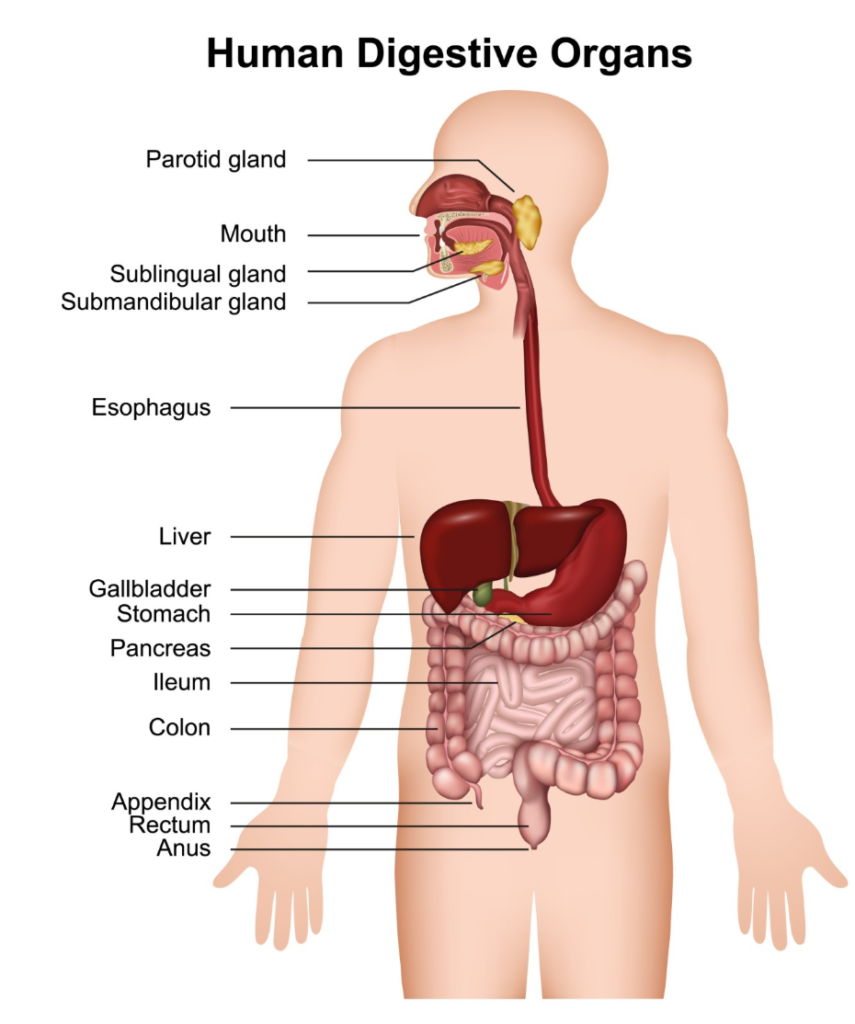
When pathogens enter the digestive tract, they disrupt the normal balance of fluid absorption and secretion in the intestines. The gut lining is designed to absorb water from digested food, but when irritated by toxins or invasive bacteria, it reverses this process. This leads to a rapid influx of water into the intestinal lumen, which speeds up bowel motility and results in loose, frequent stools.
The body’s immune response also contributes to the symptoms. Inflammation of the gut lining can cause abdominal cramping and a sense of urgency. In cases where the pathogen invades the intestinal tissue, the immune system may trigger a fever as it attempts to neutralise the infection. For most travellers, the body is able to clear these pathogens within a few days as the gut microbiome eventually returns to its natural balance. Traveller’s diarrhoea is usually caused by eating contaminated food or drinking contaminated water and typically resolves within a few days without specific treatment.
Management and Prevention Strategies
Management focuses primarily on preventing dehydration and allowing the body to clear the infection naturally through the maintenance of fluid levels. Dehydration is the most significant risk associated with diarrhoea, particularly in hot climates. Oral rehydration salts are often recommended as they contain a specific balance of glucose and electrolytes that maximise water absorption in the small intestine.
Prevention relies on strict adherence to hygiene and dietary precautions. The standard advice is to eat food that is served steaming hot, to peel all fruit and vegetables personally, and to avoid tap water entirely. This includes avoiding salads, ice, and unpasteurised dairy. Hand hygiene is also critical, as pathogens can be picked up from surfaces such as door handles or currency and then transferred to the mouth. The National Institute for Health and Care Excellence provides guidelines on the management of acute diarrhoea to ensure patients receive appropriate hydration and advice.
Identifying High-Risk Situations
Risk levels vary significantly depending on the destination, the type of travel, and the dietary habits of the individual. High-risk regions typically include parts of Asia, Africa, South America, and Central America, where water treatment infrastructure may be less developed. Travellers who engage in adventurous activities, such as backpacking or camping in rural areas, are at a higher risk than those staying in major urban centres or established resorts.
Individual health factors also play a role in how a person reacts to exposure. People with weakened immune systems, those taking certain stomach acid suppressants, or individuals with pre-existing inflammatory bowel conditions may be more susceptible to infection. For these individuals, the symptoms may be more severe or longer-lasting, making strict adherence to food and water safety even more vital during their travels.
Conclusion
Traveller’s diarrhoea is most commonly caused by bacterial infections from contaminated food and water, though viruses and parasites are also frequent culprits. Most episodes are brief and can be managed effectively with oral rehydration and rest while the body clears the infection. Understanding the transmission routes allows travellers to take proactive steps to reduce their risk through careful dietary choices. If you experience severe, sudden, or worsening symptoms, call 999 immediately.
How long does traveller’s diarrhoea usually last?
Most cases caused by bacteria or viruses resolve within three to five days with proper hydration and rest.
Is traveller’s diarrhoea contagious?
Yes, it can be spread from person to person through the faecal-oral route if strict hand hygiene is not maintained after using the toilet or before preparing food.
Should I take anti-diarrhoeal medication?
Anti-diarrhoeal medications can help reduce the frequency of movements for travel comfort, but they are not recommended if you have a high fever or blood in your stool.
Can I get traveller’s diarrhoea from a swimming pool?
Yes, certain parasites like Cryptosporidium are resistant to chlorine and can be ingested if you swallow contaminated pool water.
Is it safe to use ice in drinks when abroad?
In high-risk areas, ice should be avoided unless it is known to be made from purified or bottled water, as freezing does not kill most bacteria.
Why does traveller’s diarrhoea sometimes start after returning home?
Parasitic infections often have a longer incubation period, meaning symptoms might not appear until one or two weeks after the initial exposure.
Does alcohol kill the bacteria in contaminated food?
No, the concentration of alcohol in standard drinks is not high enough to neutralise pathogens in the stomach or in contaminated food.
Authority Snapshot (E-E-A-T)
This medical education article is produced to provide evidence-based information for UK residents planning international travel. The content is developed by a dedicated medical writing team and reviewed by Dr. Rebecca Fernandez, a UK-trained physician with extensive experience in emergency and internal medicine. All information is strictly aligned with the clinical standards and travel health protocols set by the NHS and NICE.
