
Many people experience changes in bowel habits when starting a new course of treatment or a short-term prescription. Diarrhoea is a recognised side effect of various medications, ranging from common antibiotics to long-term prescriptions for chronic health conditions. This occurs because drugs can alter the balance of bacteria in the digestive system or irritate the lining of the gut, leading to increased stool frequency and fluid loss. Understanding how different medications interact with the gastrointestinal tract is essential for managing side effects and ensuring treatment continues safely.
What We’ll Discuss in This Article
- How antibiotics disrupt the natural gut microbiome balance
- Specific non-antibiotic medication classes known to trigger loose stools
- The biological mechanisms of drug-induced bowel changes
- Understanding antibiotic-associated diarrhoea and its typical duration
- The risk and symptoms of secondary infections like Clostridioides difficile
- General strategies for maintaining hydration during medication-related diarrhoea
- When changes in bowel habits require further clinical investigation
The Link Between Antibiotics and Bowel Changes
Antibiotics frequently cause diarrhoea because they affect the balance of beneficial bacteria that live in the human digestive system. While antibiotics are prescribed to target harmful bacteria causing an infection, they often unintentionally impact the “good” bacteria that reside in the colon. These beneficial bacteria are vital for processing nutrients and maintaining the correct fluid balance within the stool. When their numbers are reduced, the osmotic balance of the gut changes, which often results in more fluid remains in the bowel.
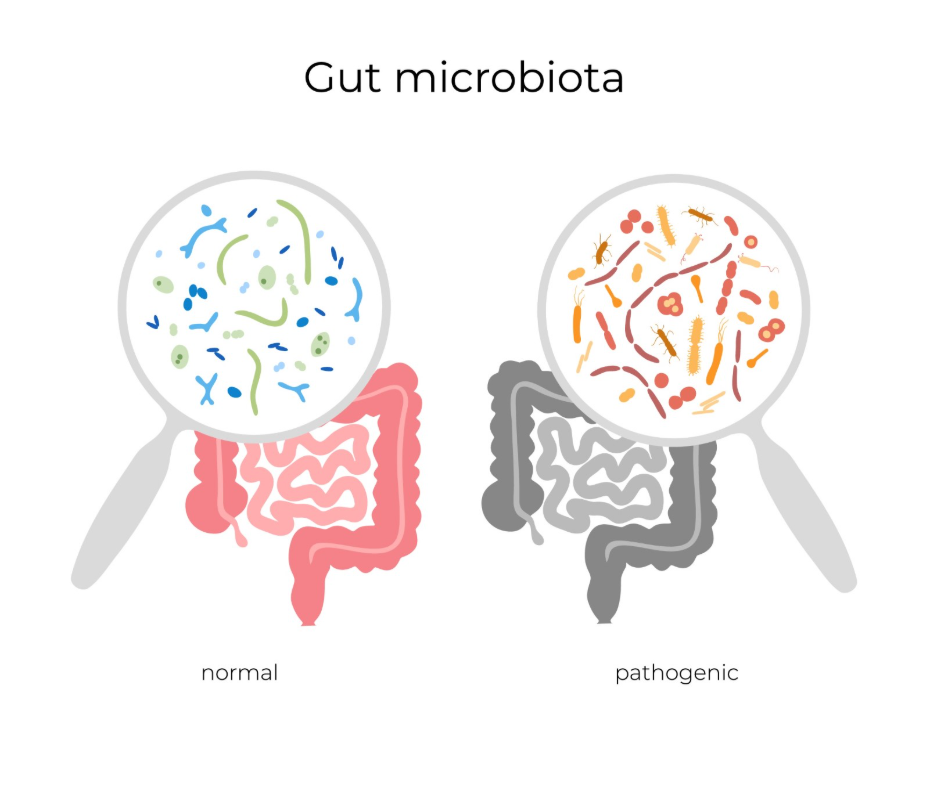
This disruption is medically known as dysbiosis. The frequency of this side effect varies depending on the type of antibiotic used and the duration of the course. Broad-spectrum antibiotics, which target a wide range of bacteria, are more likely to cause bowel changes than narrow-spectrum alternatives. Most cases of antibiotic-associated diarrhoea are mild and settle shortly after the course of treatment has finished. In most instances, the bowel movements return to normal once the medication is stopped and the natural bacterial population begins to recover.
Common Non-Antibiotic Medications and Digestive Side Effects
Aside from antibiotics, many other drug classes can trigger loose stools by irritating the gastrointestinal tract or increasing gut motility. Non-steroidal anti-inflammatory drugs (NSAIDs), such as ibuprofen or aspirin, are common culprits as they can irritate the stomach and intestinal lining. Other medications may affect the chemical signals that control how fast food moves through the digestive system.
Certain long-term treatments are particularly associated with these changes. For example, Metformin, a medication used to manage blood sugar in type 2 diabetes, often causes gastrointestinal upset when a patient first starts taking it. Proton Pump Inhibitors (PPIs), which reduce stomach acid, can also lead to diarrhoea by changing the acidity levels in the gut, which in turn alters the bacterial environment. Additionally, certain antidepressants known as Selective Serotonin Reuptake Inhibitors (SSRIs) can increase gut motility because a large proportion of the body’s serotonin receptors are located in the bowel.
Biological Mechanisms of Drug-Induced Diarrhoea
Medications cause diarrhoea through several distinct biological mechanisms including osmotic changes, direct mucosal irritation, and alterations in intestinal motility. Osmotic diarrhoea occurs when a medication or its metabolites draw water into the bowel. This is common with certain types of antacids that contain magnesium, which acts as a mild laxative by pulling fluid into the intestinal lumen.
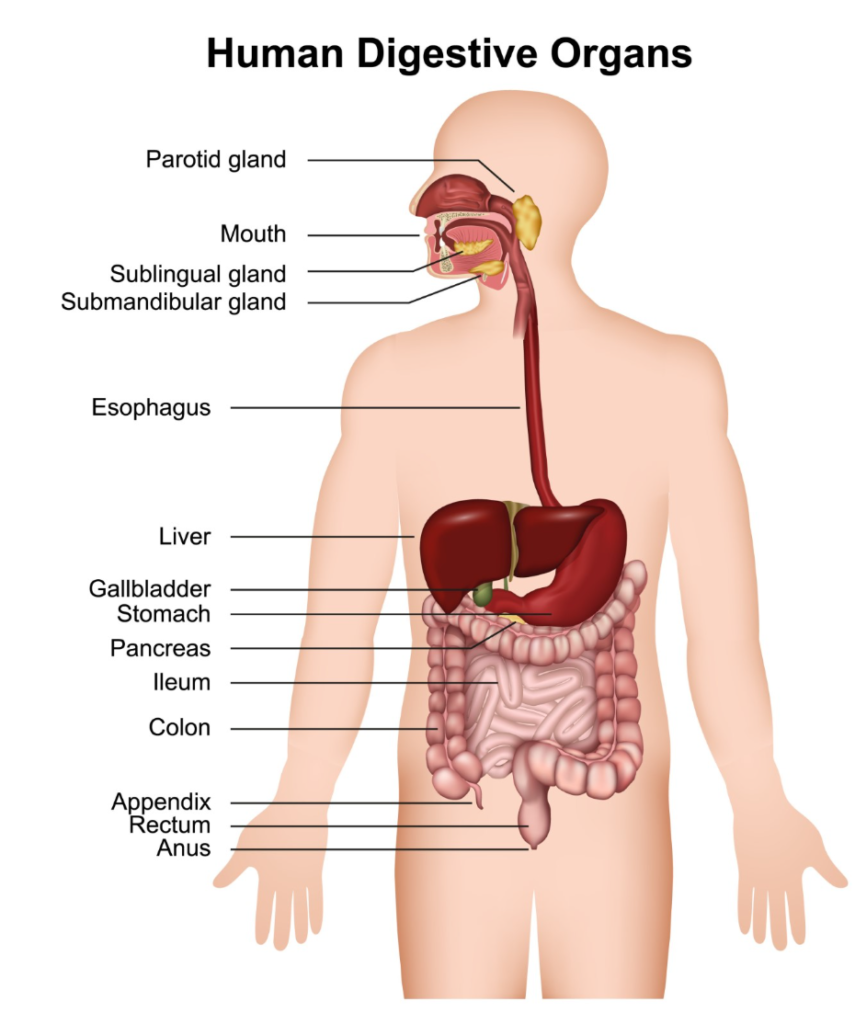
Direct irritation happens when a drug causes minor inflammation or damage to the enterocytes, the cells lining the intestine. This reduces the surface area available for fluid absorption. Motility-related changes occur when a drug stimulates the smooth muscle of the gut to contract more frequently. If the waste material moves too quickly through the colon, there is insufficient time for water to be reabsorbed, leading to loose or watery stools. The body’s unique response to these chemical changes explains why some individuals experience severe symptoms while others on the same medication have no digestive issues.
Antibiotic-Associated Diarrhoea vs Clostridioides Difficile
It is important to distinguish between simple antibiotic-associated diarrhoea and a more significant infection called Clostridioides difficile, which can occur after a course of antibiotics. While most antibiotic-related bowel changes are mild, some people develop a more severe condition due to the significant loss of protective gut bacteria. This loss allows the C. difficile bacteria to multiply and release toxins that cause inflammation of the colon.
| Feature | Antibiotic-Associated Diarrhoea (AAD) | Clostridioides Difficile Infection (C. diff) |
| Onset | Usually during the antibiotic course | Can start weeks after antibiotics end |
| Severity | Generally mild and manageable | Can be severe with significant fluid loss |
| Stool Quality | Loose or watery | Very watery, foul-smelling, may contain mucus |
| Other Symptoms | Mild cramping | Fever, stomach pain, and loss of appetite |
| Resolution | Usually stops when medication stops | Requires specific clinical treatment |
A more serious type of diarrhoea can be caused by an overgrowth of Clostridioides difficile bacteria in the gut following antibiotic use. This condition is more common in older adults or those who have stayed in a hospital or care home environment where the bacteria are more prevalent.
The Role of the Gut Microbiome and Dysbiosis
The gut microbiome consists of trillions of microorganisms that play a fundamental role in maintaining a healthy intestinal environment. These microbes assist in breaking down complex carbohydrates and produce short-chain fatty acids that provide energy to the cells of the colon. When medications such as antibiotics or chemotherapy agents disrupt this ecosystem, the essential functions of the microbiome are impaired.
The resulting state of dysbiosis means that the colon cannot effectively manage fluid levels. Furthermore, a healthy microbiome acts as a barrier against pathogens; without this barrier, the gut is more susceptible to minor infections that can cause further digestive distress. The recovery of the microbiome after a course of medication can take several weeks, during which time the individual may remain sensitive to certain foods or experience intermittent bowel looseness.
Managing Bowel Changes During Medication Courses
Management of medication-induced diarrhoea focuses primarily on maintaining adequate hydration and allowing the gut to recover its natural balance. Since the primary risk of frequent diarrhoea is the loss of fluids and essential salts, replenishing these is the most critical step. This is particularly important for vulnerable groups, such as the elderly or small children, who can become dehydrated more rapidly.
General management involves consuming small, frequent meals consisting of plain foods like rice, bread, or potatoes, which are easier for the gut to process. Avoiding stimulants such as caffeine and alcohol is also recommended, as these can further increase gut motility and worsen diarrhoea. The primary goal in treating acute diarrhoea is to ensure the patient remains hydrated and that any loss of electrolytes is replaced. Oral rehydration solutions, available in pharmacies, provide a precise balance of salt and sugar to aid water absorption in the intestines.
Identifying Red Flag Symptoms
While many instances of medication-induced diarrhoea are a temporary side effect, certain symptoms indicate a more serious underlying issue or severe dehydration. It is important to monitor the frequency and nature of bowel movements during and after a course of treatment. Changes that persist long after the medication has been discontinued often require further investigation to rule out other causes of chronic diarrhoea.
Specific signs that warrant clinical review include the presence of blood or mucus in the stool, a high temperature, or severe abdominal pain that does not ease after passing a movement. Significant weight loss or signs of severe dehydration, such as dark urine, dizziness, or extreme thirst, are also critical indicators. Healthcare professionals use these signs to determine if the medication needs to be adjusted or if additional diagnostic tests, such as stool samples or blood panels, are necessary.
Conclusion
Diarrhoea is a frequent side effect of both short-term antibiotics and various long-term medications due to their impact on gut bacteria and intestinal motility. Most cases are mild and resolve once the treatment ends or the body adapts to the new drug. Prioritising hydration and monitoring for more severe symptoms are the key pillars of managing these bowel changes. If you experience severe, sudden, or worsening symptoms, call 999 immediately.
How soon after starting antibiotics does diarrhoea start?
Symptoms usually begin within a few days of starting the course, though in some cases, they may appear up to several weeks after the treatment has concluded.
Can vitamins or supplements cause loose stools?
Yes, high doses of certain supplements, particularly magnesium and vitamin C, are known to have a laxative effect and can lead to diarrhoea.
Should I stop taking my antibiotics if I get diarrhoea?
It is generally recommended to finish the prescribed course to ensure the infection is fully treated, unless the diarrhoea is severe or accompanied by other worrying symptoms.
Does eating yoghurt help with antibiotic-induced diarrhoea?
Some people find that eating live yoghurt or fermented foods helps support the gut, but clinical evidence on their effectiveness in preventing antibiotic-associated diarrhoea is varied.
Can blood pressure medication cause bowel changes?
Some types of blood pressure medication, such as ACE inhibitors or calcium channel blockers, list gastrointestinal upset and diarrhoea as potential side effects.
Why does metformin cause digestive issues?
Metformin can increase the amount of sugar that remains in the gut and change the way bile acids are processed, both of which can lead to loose stools.
Is diarrhoea a common side effect of chemotherapy?
Yes, chemotherapy can damage the rapidly dividing cells that line the digestive tract, often leading to significant diarrhoea during treatment cycles.
Authority Snapshot (E-E-A-T)
This medical content is designed to provide evidence-based education for the UK public regarding the relationship between medications and digestive health. The material is produced by a dedicated medical content team and reviewed by Dr. Rebecca Fernandez, a UK-trained physician with experience across internal medicine and acute care. All information provided is strictly aligned with the clinical standards and guidelines set by the NHS and the National Institute for Health and Care Excellence (NICE).
