




Anxiety can cause a wide range of physical symptoms, including palpitations and sweating, as a direct result of the body’s autonomic nervous system activating the survival mechanism known as the fight or flight response. In the United Kingdom, healthcare professionals recognise that these physical manifestations are real biological reactions to perceived stress or fear rather than being imaginary or merely psychological. When the brain perceives a threat, it triggers the release of hormones like adrenaline and cortisol, which rapidly alter heart rate, breathing, and temperature regulation. Understanding the biological basis of these sensations is a vital step toward managing anxiety effectively through integrated NHS pathways. By utilising evidence-based strategies such as talking therapies and lifestyle adjustments, individuals can reduce the frequency and intensity of these physical reactions. This professional framework ensures that support is safely aligned with national clinical standards while fostering long-term functional stability and physical wellbeing for every person within the UK health system.
What We’ll Discuss in This Article
- The biological mechanism of the autonomic nervous system and stress response.
- How adrenaline and cortisol influence heart rate and cause palpitations.
- The role of the sympathetic nervous system in temperature and sweating.
- Distinguishing between anxiety-related sensations and other physical health issues.
- Evidence-based management strategies for reducing physical symptoms of unease.
- Navigating the integrated NHS primary care pathway for symptom support.
The Biological Mechanism of the Fight or Flight Response
Physical symptoms like palpitations and sweating occur because the body’s sympathetic nervous system prepares the individual for action when it perceives a threat or experiences high levels of stress. In the United Kingdom, clinical frameworks explain that this response is an ancient survival tool designed to protect humans from physical danger by prioritising speed and strength over rest and digestion. The NHS states that anxiety is a feeling of unease, such as worry or fear, that can be mild or severe and cause physical symptoms.
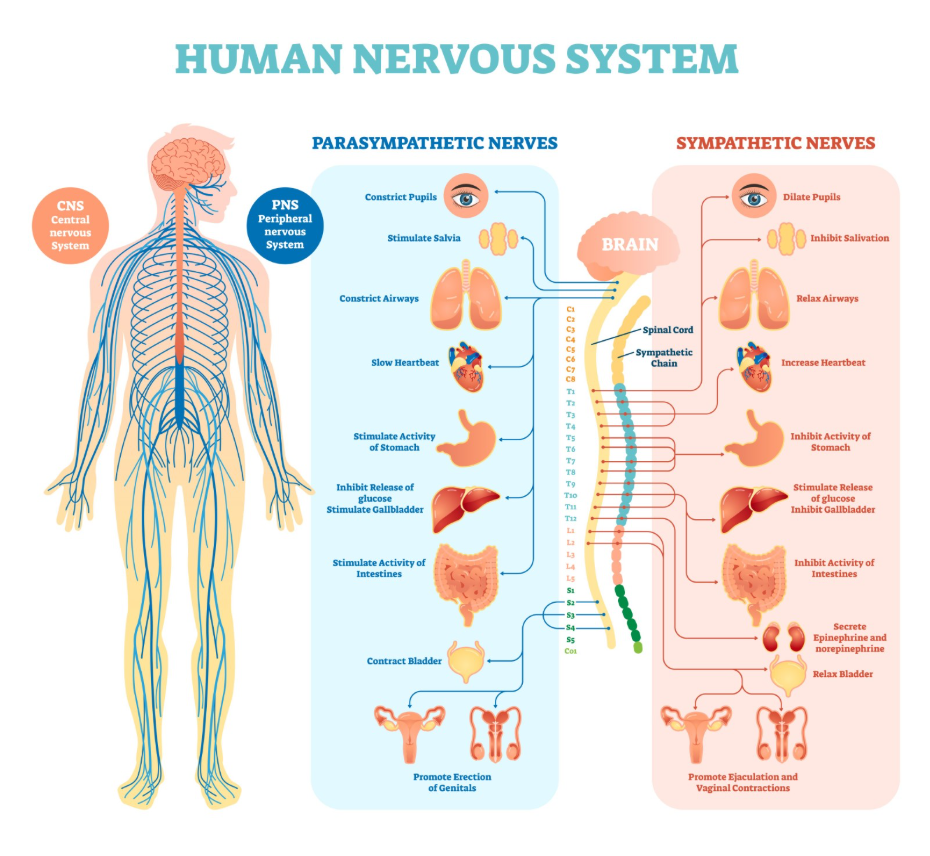
When this system is triggered, the brain’s amygdala signals the hypothalamus to activate the adrenal glands. This leads to a rapid surge of adrenaline into the bloodstream, which causes immediate physiological changes across multiple organ systems. In the UK, this professional framework provides a stable foundation for the health journey by identifying that these sensations are biological realities. By utilised these integrated pathways, the healthcare system ensures that every person’s profile is supported through evidence-based understanding. This coordinated effort between primary care and specialists provides a secure environment for building physical and emotional resilience.
Adrenaline and the Cardiovascular System
Palpitations, characterised by a sensation of the heart pounding, fluttering, or beating irregularly, are a common cardiovascular symptom caused by the sudden increase of adrenaline during an anxious episode. In the United Kingdom, healthcare professionals recognise that while palpitations can be distressing, they are often a benign response to the heart pumping more blood to the muscles in preparation for movement. NICE clinical guidelines for common mental health problems indicate that a thorough assessment should identify the physical manifestations of anxiety to ensure appropriate care.
| Cardiovascular Symptom | Biological Driver | Functional Impact |
| Palpitations | Adrenaline increasing heart rate and force. | Sensation of a pounding or skipping heart. |
| Increased Blood Pressure | Narrowing of blood vessels to prioritise muscles. | Temporary rise in pressure during stress. |
| Chest Tightness | Tension in the intercostal muscles of the ribs. | Feeling of pressure or restricted breathing. |
| Rapid Pulse | Tachycardia as the body enters high alert. | Feeling “wired” or physically over-stimulated. |
In the UK, these challenges are managed through integrated care plans that prioritise a person-centred approach. Identifying that a racing heart is a regulated biological process can often help individuals manage the fear associated with the sensation. This professional oversight is essential for providing a safe and accurate understanding of the individual’s functional capability. By building a robust evidence base through clinical review, the multidisciplinary team can provide more effective strategies for long-term health.
Temperature Regulation and Sweating
Sweating is a natural cooling mechanism triggered by the sympathetic nervous system to prevent the body from overheating during the intense metabolic activity associated with the stress response. In the United Kingdom, specialists often identify “cold sweats” or localised sweating in the palms and underarms as a primary indicator of a heightened autonomic state. The GOV.UK health pages provide clinical profiles indicating that the monitoring of social and cognitive challenges is a priority for ensuring integrated support.
The brain signals the eccrine glands to produce moisture, which evaporates to keep the body temperature stable while the heart and muscles are working harder. For many, this is accompanied by a change in skin colour, such as blushing or becoming pale, as blood is diverted away from the skin toward essential organs. In the UK, the focus is on providing a stable foundation where management strategies are designed to lower this baseline autonomic activity. Identifying these underlying drivers allows for more targeted help that addresses the biological cause of distress. By utilised these professional frameworks, the UK system provides a life-long framework of support that adapts to the person’s needs.
Distinguishing Anxiety from Other Health Issues
It is vital to distinguish between physical symptoms caused by anxiety and those resulting from other health conditions, such as thyroid issues or primary cardiovascular problems. In the United Kingdom, GPs conduct thorough clinical reviews, which may include blood tests or an electrocardiogram, to rule out underlying physical causes before confirming that symptoms are related to anxiety.
Commonly reviewed physical markers in the UK include:
- Thyroid Function: An overactive thyroid can mimic the racing heart and sweating found in anxiety.
- Blood Sugar Levels: Hypoglycaemia (low blood sugar) can cause trembling and sweating.
- Caffeine Intake: High levels of stimulants can trigger palpitations and physical restlessness.
- Respiratory Patterns: Hyperventilation can lead to dizziness and tingling in the hands or feet.
- Medication Side Effects: Certain prescriptions may influence heart rate or temperature regulation.
In the UK, identifying these indicators early is vital for preventing the emotional exhaustion that can accompany long-term health challenges. The integrated support framework encourages a strengths-based approach, focusing on what the individual needs to remain healthy. By utilised these professional frameworks, the healthcare system provides a secure environment for building professional and personal confidence. These strategies aim to work with the individual’s biology to restore a sense of calm.
Accessing Integrated NHS Support Pathways
The pathway for managing the physical symptoms of anxiety in the United Kingdom is a coordinated process involving GPs and mental health specialists through services like NHS Talking Therapies. This journey ensures that every individual receives a thorough review of their history and current environment to build a bespoke management plan.
The UK integrated support pathway involves:
- Initial GP Consultation: Discussing physical sensations and psychological triggers to ensure a thorough review.
- Physical Health Screening: Performing necessary tests to rule out non-psychological causes for palpitations or sweating.
- Talking Therapies: Accessing evidence-based support such as Cognitive Behavioural Therapy to manage the stress response.
- Integrated Care Planning: Co-ordinating support between the health service, family, and workplace for adjustments.
- Regular Monitoring: Scheduled reviews to ensure that management strategies remain effective and safe as health needs evolve.
In the UK, the focus is on providing a stable foundation for the individual to move forward with self-understanding. The NHS ensures that adults and children have a consistent point of contact for their health needs while they navigate their lives. This integrated approach ensures that the person’s unique way of functioning is respected within their home and work environment. By utilised these integrated pathways, the healthcare system provides a secure environment for building long-term mental and physical wellbeing.
Conclusion
Anxiety can and does cause significant physical symptoms like palpitations and sweating through the biological activation of the body’s stress response within the United Kingdom’s healthcare framework. The NHS and professional bodies provide a robust system of multidisciplinary assessments and evidence-based therapies to help individuals manage these sensations effectively. By focusing on both the biological drivers of the autonomic nervous system and the need for supportive environments, the system promotes the highest possible level of independence. Following a coordinated management plan with the help of medical and psychological experts ensures that unique adult and paediatric needs are addressed holistically.
Why does my heart skip a beat when I am worried?
Adrenaline can cause the heart to beat more forcefully or rapidly, which can feel like a skipped or extra beat.
Can anxiety make me sweat even when I am cold?
Yes; the “cold sweat” is a result of the sympathetic nervous system triggering sweat glands even without an external heat source.
Are palpitations dangerous?
In the context of anxiety, they are usually a benign biological response, but in the UK, any new heart symptoms should be reviewed by a GP.
How can breathing exercises stop my heart racing?
Slow, deep breathing helps activate the parasympathetic nervous system, which sends a signal to the heart to slow down.
Why do my hands shake when I am anxious?
Increased levels of adrenaline in the blood cause the muscles to become primed for action, often manifesting as a fine tremor.
Does caffeine make physical anxiety worse?
Caffeine is a stimulant that increases heart rate and adrenaline, which can intensify palpitations and sweating.
Who should I talk to first if I am worried about my heart?
The first point of contact in the United Kingdom is usually your GP to rule out physical causes and discuss support.
Authority Snapshot (E-E-A-T)
This article provides medically factual health education regarding the physical symptoms of anxiety, strictly aligned with NHS and NICE clinical guidelines. The content is developed by a professional medical writing team and reviewed by Dr. Rebecca Fernandez, a UK-trained physician with experience in multiple clinical specialties including cardiology, emergency medicine, and psychiatry. All information follows current UK public health protocols to ensure clinical accuracy and patient safety.



