




Depression can cause persistent fatigue, a loss of interest in daily activities, and a low mood lasting for several weeks or months due to complex biological changes in brain chemistry and the body’s energy regulation systems. In the United Kingdom, healthcare professionals identify these three features as core clinical indicators used to determine the presence of a depressive episode. Unlike temporary sadness, clinical depression involves a sustained period where these symptoms interfere significantly with an individual’s ability to work, socialise, and manage self-care. By utilising integrated NHS pathways, individuals can access a multidisciplinary approach that addresses the biological and psychological roots of these symptoms through evidence-based therapies. Understanding these manifestations as part of a recognised health condition allows for a factual, non-alarmist approach to recovery. This professional framework ensures that support strategies are safely aligned with national clinical standards, providing a secure foundation for restoring long-term functional stability and emotional wellbeing within the UK health system.
What We’ll Discuss in This Article
- The biological relationship between neurotransmitters and persistent low mood.
- How depression-related fatigue differs from typical tiredness.
- The clinical significance of anhedonia and the loss of interest in activities.
- The impact of prolonged symptoms on cognitive function and daily tasks.
- Evidence-based management strategies including talking therapies and lifestyle support.
- Navigating the integrated NHS primary care pathway for mental health.
Biological Drivers of Persistent Low Mood
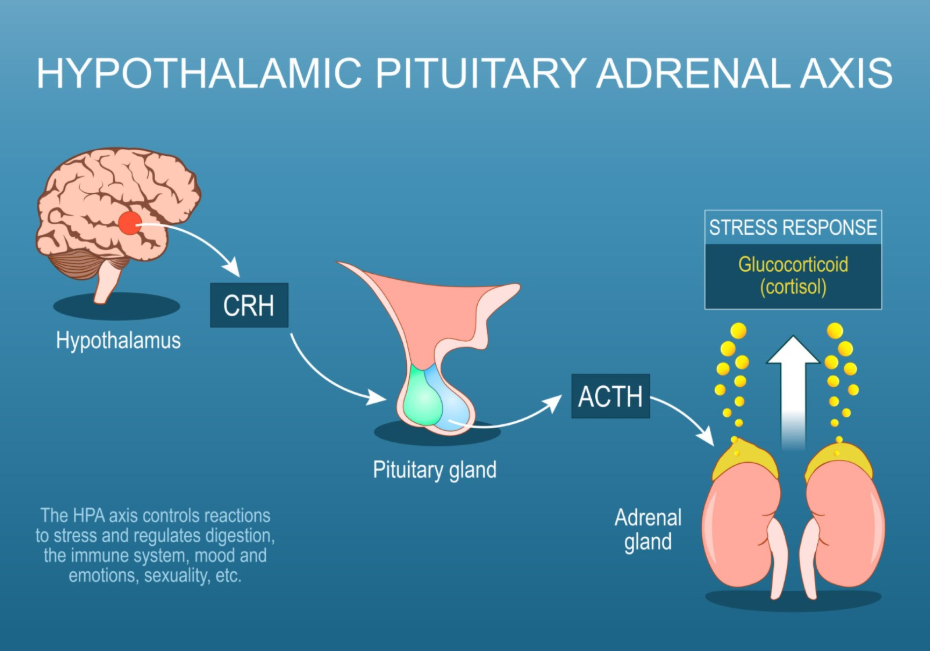
Persistent low mood is primarily driven by the dysregulation of neurotransmitters such as serotonin and norepinephrine, which facilitate communication between brain regions responsible for emotional stability. In the United Kingdom, clinical frameworks explain that when these chemical messengers are out of balance, the brain struggles to regulate mood, leading to a sustained sense of sadness or emptiness. The NHS states that depression is more than simply feeling unhappy or fed up for a few days.
This biological state can persist for weeks because the neural pathways involved in mood regulation require time and consistent support to return to a balanced state. In the UK, this professional framework provides a stable foundation for the health journey by identifying that these sensations are biological realities. By utilised these integrated pathways, the healthcare system ensures that every person’s profile is supported through evidence-based understanding. This coordinated effort between primary care and specialists provides a secure environment for building emotional resilience.
Depression-Related Fatigue and Physical Lethargy
Fatigue associated with depression, often called “lethargic depression,” is a distinct biological symptom characterised by an overwhelming sense of physical heaviness and a lack of energy that is not resolved by rest or sleep. In the United Kingdom, healthcare professionals distinguish this from typical tiredness by its persistence and its association with a slowed physical pace, known as psychomotor retardation. NICE clinical guidelines for depression indicate that a thorough assessment should identify physical symptoms like sleep disturbance and fatigue as part of the clinical profile.
| Feature | Typical Tiredness | Depression-Related Fatigue |
| Recovery | Usually improves after a good night’s sleep. | Often persists regardless of the amount of rest. |
| Morning State | Feeling gradually more awake after rising. | Frequently feeling at its worst upon waking up. |
| Physical Sensation | Feeling a need to rest specific muscles. | Feeling a general “heaviness” in the entire body. |
| Motivation | Retaining the desire to do things once rested. | Lacking the internal drive to initiate even simple tasks. |
| Cognitive Link | Mind remains relatively clear. | Accompanied by “brain fog” and slow thinking. |
In the UK, these challenges are managed through integrated care plans that prioritise a person-centred approach. Identifying that a lack of energy is a biological symptom can help individuals move away from self-blame toward proactive management. This professional oversight is essential for providing a safe and accurate understanding of the individual’s functional capability. By building a robust evidence base through clinical review, the multidisciplinary team can provide more effective strategies for long-term health.
Loss of Interest and Anhedonia
Loss of interest, or anhedonia, is a core clinical symptom where the brain’s reward system becomes less responsive, making it difficult for an individual to experience pleasure or motivation for activities they previously enjoyed. In the United Kingdom, specialists recognise that this “numbing” of interest is often one of the most distressing aspects of depression, as it can lead to social withdrawal and a reduced sense of purpose. The GOV.UK health pages provide clinical profiles indicating that the monitoring of social and cognitive challenges is a priority for ensuring integrated support.
When the dopamine pathways responsible for the “anticipation of reward” are affected, even simple hobbies or social interactions can feel like an impossible chore. In the UK, the focus is on providing a stable foundation where management strategies are designed to support these biological pathways. Identifying these underlying drivers allows for more targeted help that addresses the biological cause of distress. By utilised these professional frameworks, the UK system provides a life-long framework of support that adapts to the person’s needs. This approach acknowledges that the return of interest is a gradual process that follows the stabilisation of the nervous system.
Impact of Prolonged Symptoms on Daily Function
When low mood, fatigue, and loss of interest persist for several weeks, they can have a significant cumulative impact on an individual’s cognitive function and their ability to maintain professional and personal responsibilities. In the United Kingdom, healthcare professionals focus on how these symptoms contribute to “executive dysfunction,” which includes difficulties with memory, planning, and decision-making.
Common functional challenges in the UK include:
- Workplace Performance: Struggling to meet deadlines or maintain focus during meetings.
- Social Isolation: Avoiding contact with friends and family due to a lack of energy or interest.
- Self-Care Neglect: Finding it difficult to maintain routines like cooking, washing, or exercise.
- Relationship Strain: Experiencing conflict or a lack of connection with partners due to emotional flatness.
- Financial Management: Neglecting bills or household admin because of cognitive “brain fog.”
In the UK, identifying these indicators early is vital for preventing the emotional withdrawal that often accompanies chronic low mood. The integrated support framework encourages a strengths-based approach, focusing on what the individual needs to remain healthy. By utilised these professional frameworks, the healthcare system provides a secure environment for building professional and personal confidence. These strategies aim to work with the individual’s biology to restore a sense of purpose.
Accessing Integrated NHS Support Pathways
The pathway for managing the core symptoms of depression in the United Kingdom is a coordinated process involving GPs and mental health specialists through services like NHS Talking Therapies. This journey ensures that every individual receives a thorough review of their history and current environment to build a bespoke management plan.
The UK integrated support pathway involves:
- Initial GP Consultation: Discussing physical and psychological symptoms to rule out other medical causes.
- Symptom Review: Undergoing a formal clinical assessment to determine the severity and duration of the low mood.
- Talking Therapies: Accessing evidence-based support such as Cognitive Behavioural Therapy to manage thought patterns.
- Integrated Care Planning: Co-ordinating support between the health service, the family, and the workplace for adjustments.
- Regular Monitoring: Scheduled reviews to ensure that management strategies remain effective and safe over time.
In the UK, the focus is on providing a stable foundation for the individual to move forward with self-understanding. The NHS ensures that adults and children have a consistent point of contact for their health needs while they navigate their lives. This integrated approach ensures that the person’s unique way of functioning is respected within their home and work environment. By utilised these integrated pathways, the healthcare system provides a secure environment for building long-term mental wellbeing.
Conclusion
Depression frequently causes persistent fatigue, loss of interest, and low mood lasting for weeks due to biological changes in brain function within the United Kingdom’s healthcare framework. The NHS and professional bodies provide a robust system of multidisciplinary assessments and evidence-based therapies to help individuals manage these symptoms effectively. By focusing on both the biological roots of low mood and the need for supportive environments, the system promotes the highest possible level of independence. Following a coordinated management plan with the help of medical and psychological experts ensures that unique adult and paediatric needs are addressed holistically.
How long must low mood last to be considered depression?
In the UK, clinical guidelines typically require symptoms to be present for most of the day, nearly every day, for at least two weeks.
Why does depression make me feel physically heavy?
This is a biological symptom called psychomotor retardation, where the brain’s signals to the body are slowed down.
Can loss of interest affect my relationships?
Yes; anhedonia can make it difficult to engage emotionally with others, but this usually improves as the condition is managed.
Will my energy levels ever come back?
With appropriate management and support, most people in the UK find that their energy and interest levels gradually return.
Is “brain fog” a real part of depression?
Yes; cognitive difficulties are a recognised symptom that results from the impact of depression on the prefrontal cortex.
Do I have to take time off work?
Not everyone does, but in the UK you can access “reasonable adjustments” or a fit note if you need support with your workload.
Who should I talk to first if I feel this way?
The first point of contact in the United Kingdom is usually your GP to discuss your health and explore support options.
Authority Snapshot (E-E-A-T)
This article provides medically factual health education regarding the core symptoms of depression, strictly aligned with NHS and NICE clinical guidelines. The content is developed by a professional medical writing team and reviewed by Dr. Rebecca Fernandez, a UK-trained physician with experience in multiple clinical specialties including cardiology, emergency medicine, and psychiatry. All information follows current UK public health protocols to ensure clinical accuracy and patient safety.



