




Anxiety, depression, and schizophrenia can occur in the same person as co-occurring conditions, a situation where an individual experiences symptoms of multiple distinct mental health disorders simultaneously or sequentially. In the United Kingdom, healthcare professionals recognise that these conditions often share overlapping biological drivers and environmental triggers, making integrated clinical management essential for effective recovery. By utilising multidisciplinary teams within the NHS, individuals can receive comprehensive care that addresses the complex interaction between mood, perception, and the body’s stress response. Understanding the relationship between these conditions allows for a more holistic approach to mental health that prioritises functional stability and personal wellbeing. This professional framework ensures that support strategies are evidence-based and tailored to the unique health profile of the individual while maintaining clinical accuracy and safety within the UK health system.
What We’ll Discuss in This Article
- The clinical definition and frequency of co-occurring mental health conditions.
- Overlapping biological drivers in brain chemistry and neural pathways.
- How the chronic stress of psychosis can contribute to anxiety and depression.
- Distinguishing between primary symptoms and secondary emotional responses.
- Integrated NHS management strategies for complex mental health profiles.
- Navigating multidisciplinary support and community mental health teams.
The Reality of Co-occurring Mental Health Conditions
Co-occurring mental health conditions, often referred to as comorbidity, are common in the United Kingdom, where a significant number of individuals identified with schizophrenia also experience persistent symptoms of anxiety or depression. Healthcare professionals understand that mental health exists on a spectrum, and the biological factors that influence one condition can often increase vulnerability to others. The NHS states that mental health conditions can affect your mood, thinking and behaviour in different ways.
For an individual with schizophrenia, the experience of hallucinations or delusions can be inherently distressing, naturally leading to high levels of anxiety. Similarly, the “negative” symptoms of schizophrenia, such as social withdrawal, can overlap with or contribute to the development of clinical depression. In the UK, this professional framework provides a stable foundation for the health journey by identifying that these conditions are not mutually exclusive. By utilised these integrated pathways, the healthcare system ensures that every person’s profile is supported through accurate evidence. This coordinated effort between primary and secondary care provides a secure environment for building functional resilience.
Shared Biological Drivers and Brain Chemistry
Anxiety, depression, and schizophrenia are linked by shared biological mechanisms involving the regulation of neurotransmitters such as dopamine, serotonin, and glutamate within the brain’s emotional centres. In the United Kingdom, clinical research indicates that dysregulation in the limbic system and the prefrontal cortex can manifest in various ways, leading to the overlapping symptoms seen in comorbid cases. NICE clinical guidelines for psychosis and schizophrenia indicate that the condition should be managed with a multidisciplinary approach that considers co-occurring mental health problems.
| Condition | Primary Biological Focus | Shared Neurotransmitter Link |
| Anxiety | Overactive amygdala and threat response. | GABA and Serotonin regulation. |
| Depression | Reduced activity in reward and mood centres. | Serotonin and Dopamine regulation. |
| Schizophrenia | Altered dopamine pathways and perception. | Dopamine and Glutamate regulation. |
In the UK, these biological variations are managed through integrated care plans that prioritise a person-centred approach. For example, medication prescribed for schizophrenia may help stabilise dopamine levels, which can subsequently reduce the paranoia-driven anxiety an individual feels. This professional oversight is essential for providing a safe and accurate understanding of the individual’s health. By building a robust evidence base through clinical review, the multidisciplinary team can provide more effective strategies for long-term stability across all symptom groups.
The Impact of Psychosis on Emotional Health
The experience of living with schizophrenia and episodes of psychosis often acts as a significant environmental stressor that can trigger secondary anxiety and depression. In the United Kingdom, specialists recognise that the social isolation, stigma, and functional challenges associated with a long-term mental health condition are major contributors to an individual’s overall emotional distress. The GOV.UK health pages provide clinical profiles indicating that the monitoring of social and cognitive challenges is a priority for ensuring integrated support.
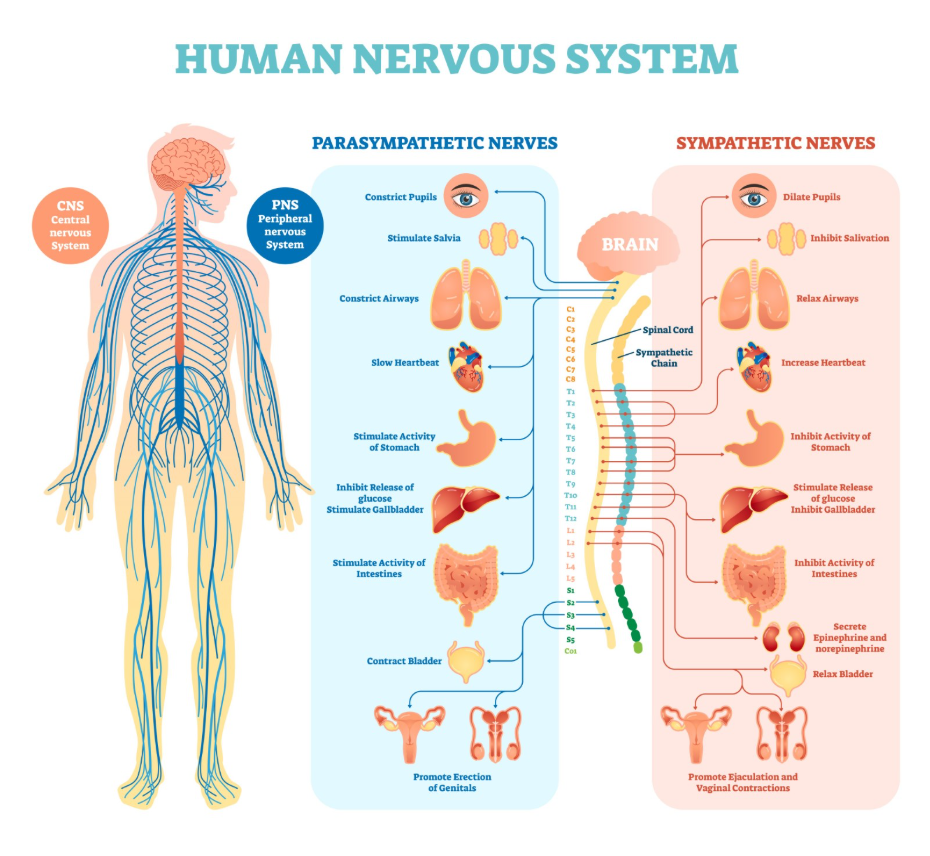
When a person finds their perception of reality shifting, it is biologically expected that the body’s stress response system remains in a heightened state of “fight or flight,” leading to chronic anxiety. Furthermore, if the condition makes it difficult to maintain employment or relationships, a sense of hopelessness may develop, leading to clinical depression. In the UK, the focus is on providing a stable foundation where these emotional responses are addressed alongside the primary condition. Identifying these underlying drivers allows for more targeted help that addresses the biological and social causes of distress. By utilised these professional frameworks, the UK system provides a life-long framework of support that evolves as the person matures.
Integrated Management and Multidisciplinary Care
Management strategies for individuals experiencing anxiety, depression, and schizophrenia simultaneously focus on a coordinated approach that combines pharmacological support with various talking therapies. In the United Kingdom, the NHS prioritises the Care Programme Approach to ensure that all aspects of an individual’s mental and physical health are reviewed by a team of experts.
Commonly utilised integrated strategies in the UK include:
- Antipsychotic Medication: To manage the core symptoms of psychosis and perceptions.
- Adapted Talking Therapies: Using Cognitive Behavioural Therapy to address both anxiety and low mood.
- Family Intervention: Helping relatives understand the complex interaction between different symptoms.
- Social Prescribing: Connecting individuals with community groups to reduce isolation and improve mood.
- Physical Health Monitoring: Ensuring that the side effects of medication do not worsen physical or emotional wellbeing.
- Vocational Support: Helping the individual find inclusive work environments to build self-esteem.
In the UK, the focus is on providing a stable foundation where the person can manage their symptoms successfully. Identifying these indicators early is vital for preventing the emotional exhaustion that can accompany complex mental health challenges. By utilised these professional frameworks, the healthcare system provides a secure environment for building professional and personal confidence. These strategies aim to work with the individual’s biology to restore a sense of calm and independence across all areas of their life.
Accessing Integrated NHS Support Pathways
The pathway for managing co-occurring conditions in the United Kingdom is a coordinated process involving GPs and secondary care services, such as Community Mental Health Teams. This journey ensures that every individual receives a thorough review of their history and current environment to build a bespoke management plan that addresses all symptoms in a safe and structured manner.
The UK integrated support pathway involves:
- Initial Consultation: Discussing the full range of physical and psychological symptoms with a GP.
- Specialist Referral: Accessing a psychiatrist and a multidisciplinary team for a formal clinical review.
- Care Coordination: Assigning a lead professional to manage the different threads of treatment and support.
- Integrated Care Planning: Co-ordinating support between the health service, family, and any necessary workplace adjustments.
- Regular Monitoring: Scheduled reviews to ensure that the combination of treatments remains effective and appropriate.
In the UK, the focus is on providing a stable foundation for the individual to move forward with self-understanding. The NHS ensures that adults have a consistent point of contact for their health needs while they navigate their lives. This integrated approach ensures that the person’s unique way of functioning is respected within their home and work environment. By utilised these integrated pathways, the healthcare system provides a secure environment for building long-term mental wellbeing and functional stability.
Conclusion
Anxiety, depression, and schizophrenia can and do occur in the same person, requiring a comprehensive and integrated approach to management within the United Kingdom’s healthcare framework. The NHS and professional bodies provide a robust system of multidisciplinary assessments, medication, and evidence-based therapies to address these complex profiles. By focusing on both the biological drivers of these conditions and the need for supportive community environments, the system promotes the highest possible level of independence. Following a coordinated management plan with the help of medical and psychological experts ensures that unique adult needs are addressed holistically.
Can one condition cause another?
While they have different roots, the stress of living with one condition like schizophrenia can increase the risk of developing anxiety or depression.
Is the treatment different if you have all three?
Yes; the medical team in the UK will carefully balance different therapies and medications to ensure they work together safely and effectively.
How can I tell the difference between depression and “negative” symptoms of schizophrenia?
Healthcare professionals use detailed clinical reviews to distinguish between a low mood and a biological lack of motivation.
Are there special support groups for people with multiple conditions?
Many UK mental health charities provide groups focused on “complex needs” or specific combinations of conditions for peer support.
Does having more than one condition mean a longer recovery?
Management may be more complex, but with integrated NHS care, many people achieve long-term stability and a high quality of life.
Will I have to see different doctors for each problem?
In the UK, you are usually supported by a single Community Mental Health Team that coordinates all aspects of your psychiatric care.
Who should I talk to first if I feel my symptoms are changing?
The first point of contact in the United Kingdom is usually your GP or your designated care coordinator if you are already in secondary care.
Authority Snapshot (E-E-A-T)
This article provides medically factual health education regarding co-occurring mental health conditions, strictly aligned with NHS and NICE clinical guidelines. The content is developed by a professional medical writing team and reviewed by Dr. Rebecca Fernandez, a UK-trained physician with experience in multiple clinical specialties including emergency medicine and psychiatry. All information follows current UK public health protocols to ensure clinical accuracy and patient safety.



