




The causes of anxiety, depression, and schizophrenia involve a complex interaction of genetic vulnerabilities, biological changes in brain chemistry, and environmental triggers such as long-term stress or trauma. In the United Kingdom, healthcare professionals utilise a bio-psycho-social model to understand how these factors combine to influence mental health. While the exact cause can vary between individuals, integrated NHS pathways focus on identifying these underlying drivers to provide effective, evidence-based management. Understanding these mechanisms helps in fostering a supportive environment and ensures that treatment strategies are tailored to the specific needs of the individual. This professional framework prioritises accuracy and safety while navigating the complexities of neurobiology and life experiences within the UK clinical system.
What We’ll Discuss in This Article
- The role of genetics and family history in mental health vulnerability.
- How brain chemistry and neurotransmitter imbalances influence mood and perception.
- The impact of brain structure and neurodevelopment on long-term health.
- Environmental triggers including trauma, social isolation, and chronic stress.
- The influence of physical health conditions on psychological wellbeing.
- Accessing integrated NHS support to manage underlying causes.
Genetic Vulnerability and Family History
Genetics play a significant role in the development of anxiety, depression, and schizophrenia, as certain gene variations can increase an individual’s susceptibility to these conditions. In the United Kingdom, clinical research indicates that having a close family member with a mental health condition can increase the likelihood of developing similar traits, although genetics alone do not determine a person’s health outcome. The NHS states that mental health conditions are often the result of a combination of genetic, biological, and environmental factors.
These genetic factors often influence how the brain regulates stress hormones or processes sensory information. In the UK, this professional framework provides a stable foundation for the health journey by identifying that biological heritage is one part of a wider picture. By utilised these integrated pathways, the healthcare system ensures that family history is considered during clinical reviews. This coordinated effort between primary care and specialists provides a secure environment for building resilience.
Brain Chemistry and Neurotransmitter Regulation
Variations in brain chemistry, specifically regarding the balance of neurotransmitters such as serotonin, dopamine, and norepinephrine, are primary biological drivers for anxiety, depression, and schizophrenia. In the United Kingdom, healthcare professionals focus on how these chemicals facilitate communication between neurons and influence emotional regulation and perception. NICE clinical guidelines for mental health indicate that conditions should be managed with a multidisciplinary approach that considers the biological needs of the individual.
| Condition | Primary Neurotransmitter Involvement | Typical Influence on Function |
| Anxiety | Adrenaline, GABA, and Cortisol. | Heightened threat response and physical tension. |
| Depression | Serotonin, Norepinephrine, and Dopamine. | Lowered mood, energy, and motivation. |
| Schizophrenia | Dopamine and Glutamate. | Altered perception of reality and thought patterns. |
In the UK, these chemical variations are managed through integrated care plans that prioritised a person-centred approach. For example, lower levels of serotonin are frequently linked to the persistent low mood found in depression. This professional oversight is essential for providing a safe and accurate understanding of the individual’s health. By building a robust evidence base through clinical review, the multidisciplinary team can provide more effective strategies for long-term stability.
Brain Structure and Neurodevelopment
Differences in brain structure, often established during early neurodevelopment, can influence how an individual processes information and regulates their emotions throughout life. In the United Kingdom, specialists use advanced imaging and clinical observation to understand how regions like the prefrontal cortex or the amygdala may function differently in neurodiverse or mentally unwell individuals. The GOV.UK health pages provide clinical profiles indicating that the monitoring of social and cognitive challenges is a priority for ensuring integrated support.
For individuals with schizophrenia, subtle changes in brain structure may occur during adolescence, affecting the coordination between different cognitive regions. In the UK, the focus is on providing a stable foundation where these structural differences are respected within a clinical context. Identifying these underlying drivers allows for more targeted help that addresses the biological cause of distress. By utilised these professional frameworks, the UK system provides a life-long framework of support that evolves as the person matures.
Environmental Triggers and Life Experiences
Environmental factors, such as childhood trauma, social isolation, and chronic life stress, act as significant triggers that can activate a biological vulnerability toward anxiety or depression. In the United Kingdom, healthcare professionals recognise that the social model of health is vital, as a person’s living and working conditions directly impact their mental state.
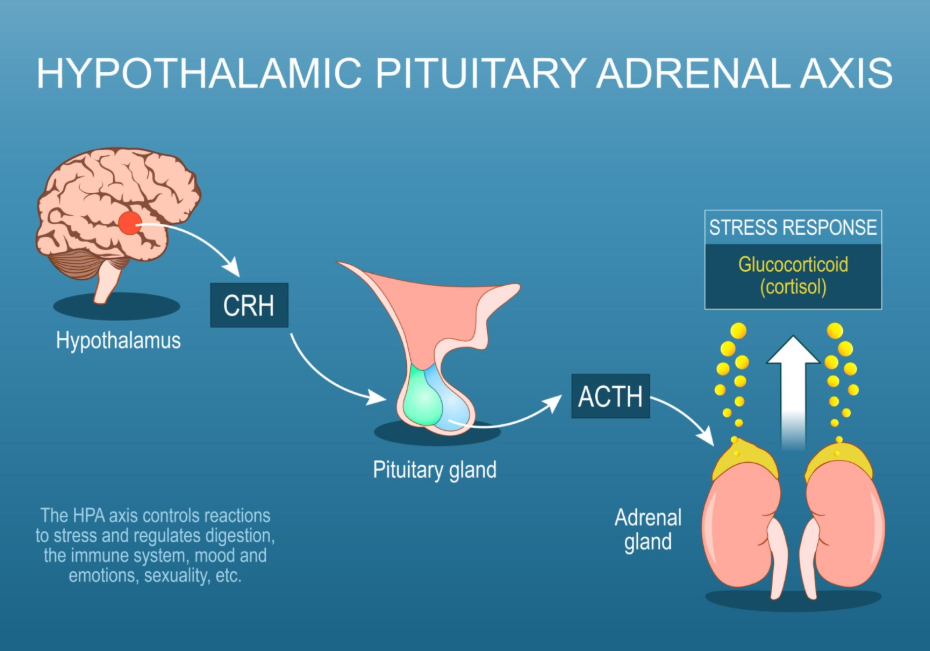
Long-term exposure to high-pressure environments can lead to a state of chronic “fight or flight,” depleting the brain’s cognitive resources. Furthermore, significant life events like bereavement or unemployment can serve as catalysts for a depressive episode. In the UK, this integrated care model ensures that the adult’s or child’s emotional potential is supported. This professional oversight is essential for providing a safe and accurate understanding of the individual’s emotional health. By acknowledged these biological and environmental differences, the system provides a more supportive framework for managing the person’s unique profile safely.
The Influence of Physical Health and Lifestyle
Physical health conditions and lifestyle factors, including long-term illness, sleep quality, and the use of certain substances, can directly influence the onset and severity of mental health symptoms. In the United Kingdom, GPs conduct thorough physical health checks during mental health reviews to rule out underlying issues like thyroid dysfunction or vitamin deficiencies that can mimic anxiety or depression.
Key physical and lifestyle influences in the UK include:
- Chronic Pain: Long-term physical discomfort can increase the risk of developing clinical depression.
- Sleep Deprivation: Lack of restorative rest impairs the prefrontal cortex, worsening anxiety and focus.
- Substance Use: Certain substances can trigger episodes of psychosis in those with a genetic vulnerability.
- Hormonal Changes: Variations during puberty, pregnancy, or menopause can influence emotional regulation.
- Nutritional Gaps: Deficiencies in B vitamins or Vitamin D may impact neurotransmitter production.
In the UK, the focus is on providing a stable foundation where the person can manage their health successfully. Identifying these indicators early is vital for preventing the emotional exhaustion that can accompany long-term conditions. By utilised these professional frameworks, the healthcare system provides a secure environment for building professional and personal confidence. These strategies aim to work with the individual’s biology to restore a sense of calm and stability.
Accessing Integrated NHS Support Pathways
The pathway for identifying and managing the causes of mental health conditions in the United Kingdom is a coordinated process involving GPs, psychiatrists, and community mental health teams. This journey ensures that every individual receives a thorough review of their history and current environment to build a bespoke management plan.
The UK integrated support pathway involves:
- Initial GP Consultation: Reviewing symptoms and personal history to identify potential triggers.
- Blood Tests and Physical Reviews: Ruling out physical causes for psychological symptoms.
- Specialist Referral: Accessing multidisciplinary teams for a formal clinical and social review.
- Integrated Care Planning: Co-ordinating support between the health service, family, and employers.
- Regular Monitoring: Scheduled reviews to ensure that management strategies remain effective and safe over time.
In the UK, the focus is on providing a stable foundation for the individual to move forward with self-understanding. The NHS ensures that adults and children have a consistent point of contact for their health needs while they navigate their lives. This integrated approach ensures that the person’s unique way of functioning is respected within their home and work environment. By utilised these integrated pathways, the healthcare system provides a secure environment for building long-term mental wellbeing.
Conclusion
The causes of anxiety, depression, and schizophrenia are multifaceted, involving a range of biological, genetic, and environmental factors within the United Kingdom’s healthcare framework. The NHS and professional bodies provide a robust system of multidisciplinary assessments and evidence-based therapies to address these complex drivers. By focusing on both the biological roots of these conditions and the need for supportive environments, the system promotes the highest possible level of independence. Following a coordinated management plan with the help of medical and psychological experts ensures that unique adult and paediatric needs are addressed holistically.
Is mental illness always inherited?
No; while genes can increase vulnerability, environmental factors and life experiences are also crucial in the development of these conditions.
Can a traumatic event cause schizophrenia?
Trauma can act as a significant trigger for an episode of psychosis in someone who already has a biological or genetic vulnerability.
How does brain chemistry affect my anxiety?
An imbalance in chemicals like GABA can make your body’s “threat response” more sensitive, leading to persistent feelings of worry.
Can physical illness cause depression?
Yes; long-term physical health conditions can lead to biochemical changes and emotional stress that manifest as clinical depression.
Are there tests for brain chemistry?
Current UK practice focuses on clinical symptoms and history rather than direct neurotransmitter testing to guide management.
Does childhood experience matter for adult health?
Yes; early life experiences shape how the brain’s stress response system develops, which can influence mental health in adulthood.
Who should I talk to first if I am worried?
The first point of contact in the United Kingdom is usually your GP to discuss your health and explore support options.
Authority Snapshot (E-E-A-T)
This article provides medically factual health education regarding the causes of mental health conditions, strictly aligned with NHS and NICE clinical guidelines. The content is developed by a professional medical writing team and reviewed by Dr. Rebecca Fernandez, a UK-trained physician with experience in multiple clinical specialties including cardiology, emergency medicine, and psychiatry. All information follows current UK public health protocols to ensure clinical accuracy and patient safety.



