
Birth complications can lead to cerebral palsy if they result in a significant disruption of oxygen or blood supply to the infant’s brain during labour or delivery. In the United Kingdom, maternity and neonatal teams follow strict safety protocols to identify and manage these risks through continuous monitoring and rapid clinical intervention. While most births occur without such issues, understanding these potential complications is essential for providing integrated care within the NHS.
What We’ll Discuss in This Article
- The relationship between oxygen deprivation and neonatal brain health.
- Common delivery complications such as umbilical cord and placental issues.
- The clinical significance of Hypoxic-Ischaemic Encephalopathy (HIE).
- How the NHS utilises therapeutic cooling to protect the developing brain.
- The role of emergency interventions in reducing neurological risk.
- Long-term monitoring and multidisciplinary support for affected families.
Oxygen Deprivation and the Developing Brain
The primary mechanism by which birth complications lead to cerebral palsy is through a lack of oxygen reaching the baby’s brain, a condition known as hypoxia. During the final stages of labour, the baby relies entirely on the placenta and umbilical cord for oxygenated blood. The NHS states that cerebral palsy can be caused by the brain being temporarily deprived of oxygen during a difficult birth.
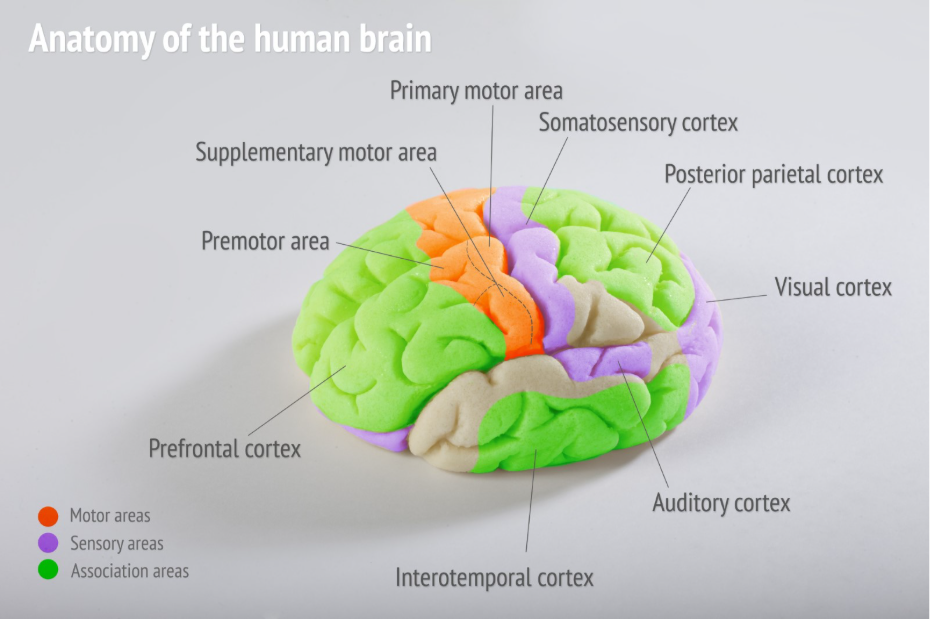
When oxygen levels drop significantly, brain cells can begin to sustain injury, particularly in the motor control centres. In the United Kingdom, midwives and obstetricians use cardiotocography (CTG) to monitor the baby’s heart rate continuously during active labour. A change in the heart rate pattern can indicate that the baby is struggling to maintain adequate oxygenation. While the brain has some resilience, prolonged deprivation can lead to permanent neurological changes. The goal of UK maternity services is to identify these shifts early and take action to ensure the baby is delivered before significant injury occurs. This proactive surveillance is a cornerstone of the NHS commitment to birth safety and the prevention of avoidable neurological conditions.
Specific Delivery Complications and Their Impact
Several specific complications during delivery can cause a sudden disruption in blood flow, including issues with the umbilical cord, placental abruption, or a prolonged second stage of labour. These events are often unpredictable and require immediate medical attention to protect the infant’s central nervous system. NICE clinical guidelines for cerebral palsy indicate that while most cases originate before birth, complications during delivery remain a recognised factor in neonatal brain injury.
Common complications monitored in the UK include:
- Umbilical Cord Prolapse: The cord slipping into the birth canal ahead of the baby, causing compression.
- Placental Abruption: The placenta separating from the uterus before the baby is born, stopping the oxygen supply.
- Uterine Rupture: A rare but serious event where the wall of the uterus tears during labour.
- Shoulder Dystocia: The baby’s head being delivered but the shoulders becoming stuck, delaying the rest of the birth.
In the United Kingdom, maternity staff undergo regular emergency training to manage these specific scenarios. The priority is always to restore oxygen flow as quickly as possible, often by performing an instrumental delivery or an emergency caesarean section. By adhering to these national safety standards, the NHS aims to minimise the window of time where the baby’s brain is at risk. Understanding these physical complications helps clinicians provide the necessary immediate and follow-up care for infants who have experienced a difficult delivery.
Understanding Hypoxic-Ischaemic Encephalopathy (HIE)
Hypoxic-Ischaemic Encephalopathy (HIE) is the clinical term used in the United Kingdom to describe the brain dysfunction that occurs when an infant is deprived of oxygen and blood flow at birth. HIE is a primary pathway through which birth complications can lead to the development of cerebral palsy.
| HIE Grade | Clinical Signs | Potential Neurological Outcome |
| Mild (Grade 1) | Irritability; poor feeding; normal muscle tone. | High likelihood of a full recovery. |
| Moderate (Grade 2) | Lethargy; some seizures; abnormal muscle tone. | Variable risk of long-term motor issues. |
| Severe (Grade 3) | Unresponsiveness; frequent seizures; lack of reflexes. | Significant risk of cerebral palsy or disability. |
In the UK, an infant suspected of having HIE is assessed immediately by a neonatal specialist. They look for signs such as low muscle tone, a weak cry, or the presence of seizures in the first few hours of life. The severity of HIE is used to determine the level of intensive care support required. The NHS provides a structured safety net for these infants, ensuring they are monitored in a Neonatal Intensive Care Unit (NICU) where their brain activity and organ function can be supported. This integrated monitoring is essential for identifying the extent of the initial injury and for planning the rehabilitative support the child may need as they grow.
Therapeutic Cooling and Brain Protection
Therapeutic cooling, or neonatal hypothermia, is a specialist treatment used in the United Kingdom to help reduce the risk of cerebral palsy in babies who have experienced moderate to severe HIE. This research-led intervention involve carefully lowering the baby’s body temperature for 72 hours to slow down the chemical reactions that cause brain cell damage after an oxygen-depriving event.
The cooling process in the UK involves:
- Immediate Triage: Identifying eligible babies within the first six hours after birth.
- Controlled Cooling: Using a specialized mattress to maintain a temperature of 33.5 degrees Celsius.
- Constant Monitoring: Ensuring stable heart rate and blood pressure in a specialist NICU.
- Gradual Rewarming: Slowly returning the baby to normal temperature after three days.
This advanced treatment has significantly improved the neurological prospects for many infants born in the UK following birth complications. While it cannot repair brain tissue that has already been damaged, it can prevent further injury from occurring during the “recovery” phase. The NHS has established regional networks to ensure that even babies born in smaller units can be transferred quickly to a centre capable of providing therapeutic cooling. This proactive use of technology demonstrates the UK’s commitment to using evidence-based medicine to protect the developing brain.
Emergency Interventions and Rapid Response
The effectiveness of preventing cerebral palsy during a birth complication depends on the speed and coordination of the emergency interventions implemented by the maternity team. In the United Kingdom, hospitals use a “multidisciplinary” response, where obstetricians, anaesthetists, and paediatricians work together to manage high-risk delivery scenarios. The GOV.UK health pages provide clinical profiles indicating that the speed of delivery in the presence of foetal distress is a key performance indicator for maternity safety.
Emergency measures in the UK include:
- Instrumental Delivery: Using forceps or a ventouse to speed up the birth.
- Category 1 Caesarean: An emergency surgery performed within 30 minutes of the decision to deliver.
- Neonatal Resuscitation: Immediate support for the baby’s breathing and heart rate at birth.
- Foetal Scalp Sampling: A quick test during labour to check the baby’s blood oxygen levels.
These interventions are designed to stop the process of hypoxia before it causes permanent damage. In the UK, every minute counts when a baby’s heart rate indicates distress. By utilising these rapid-response pathways, the NHS aims to protect the infant’s brain from the long-term effects of oxygen deprivation. Following such a delivery, the baby is monitored closely to ensure they are meeting their immediate postnatal milestones. This integrated approach provides a continuous link between the acute event of birth and the long-term neurological health of the child.
Long-term Monitoring and Multidisciplinary Support
For infants who have experienced birth complications in the United Kingdom, the NHS provides a structured programme of long-term monitoring to identify any signs of cerebral palsy as early as possible. This surveillance ensures that any motor delays are addressed through an integrated plan of therapy and medical support.
The UK monitoring and support framework includes:
- Neonatal Follow-up Clinics: Regular reviews with a paediatrician for at least two years.
- Physiotherapy Assessment: Checking muscle tone and movement patterns as the child grows.
- Specialist Nurse Support: Providing a consistent point of contact for the family.
- Health Visitor Reviews: Home-based monitoring of physical and social milestones.
This coordinated system ensures that families are not left to navigate the potential challenges of a neurological condition alone. In the UK, early intervention is prioritised, with many children accessing therapy before a formal diagnosis is confirmed. By providing this life-long framework of care, the healthcare system aims to help every child achieve their full functional potential. This professional safety net is essential for supporting both the child’s development and the family’s wellbeing following a traumatic birth experience.
Conclusion
Birth complications such as umbilical cord prolapse or placental abruption can lead to cerebral palsy by disrupting the oxygen supply to the infant’s brain. In the UK, the NHS manages these risks through continuous foetal monitoring and rapid emergency interventions like therapeutic cooling. While HIE is a significant clinical concern, the integrated multidisciplinary response aims to protect the developing brain and minimise long-term injury. Following a difficult birth, structured long-term monitoring ensures that any neurological challenges are identified and supported promptly. The UK healthcare system provides a life-long framework of care for affected children and their families.
Does every difficult birth result in cerebral palsy?
No; the vast majority of babies born after complications in the UK recover fully without any lasting neurological impairment.
How soon after a birth complication is a diagnosis made?
A formal diagnosis of cerebral palsy often takes several months or years as doctors monitor the child’s motor development over time.
Why is therapeutic cooling used?
In the UK, it is used to slow down the chemical processes that cause brain damage following a period of oxygen deprivation.
Can a caesarean section prevent the condition?
An emergency C-section can prevent the condition if it is performed quickly enough to stop oxygen deprivation from reaching critical levels.
What is a “low APGAR score”?
It is a quick assessment of a baby’s health at birth; while a low score suggests the baby needs immediate help, it does not always mean they will have long-term issues.
Will my baby need a brain scan after a difficult birth?
In the UK, infants who show signs of HIE usually receive a cranial ultrasound or an MRI to assess the health of the brain tissue.
Who can I talk to if I am worried about my baby’s development?
You should contact your GP, health visitor, or paediatrician, who can arrange for a formal developmental review within the NHS.
Authority Snapshot (E-E-A-T)
This article provides medically factual health education regarding the role of birth complications in cerebral palsy, strictly aligned with NHS and NICE clinical guidelines. The content is developed by a professional medical writing team and reviewed by Dr. Rebecca Fernandez, a UK-trained physician with experience in general surgery, cardiology, and emergency medicine. All information follows current UK public health protocols to ensure clinical accuracy and patient safety.
