
Maternal health conditions can increase the risk of cerebral palsy by affecting the environment in which the foetus develops or by impacting the blood and oxygen supply to the developing brain. In the United Kingdom, the NHS provides comprehensive antenatal monitoring to identify and manage these conditions effectively. While most pregnancies result in healthy outcomes, structured clinical management of maternal health is essential for reducing potential neurological risks.
What We’ll Discuss in This Article
- The impact of maternal infections on foetal neurological development.
- How thyroid conditions and metabolic health influence pregnancy outcomes.
- The clinical significance of high blood pressure and pre-eclampsia.
- Managing blood clotting disorders and their effect on the placenta.
- The role of integrated NHS maternity services in risk reduction.
- Long-term monitoring for infants born to mothers with complex health needs.
Maternal Infections and the Inflammatory Response
Maternal infections are a primary factor that can increase the risk of cerebral palsy because they can trigger an inflammatory response in the mother that adversely affects the developing foetal brain. Certain viral and bacterial infections can cross the placental barrier or cause the release of cytokines, which are proteins that can be toxic to the sensitive white matter of the foetal central nervous system. The NHS states that cerebral palsy is caused by a problem with the brain that occurs before, during or soon after birth, including infections caught by the mother during pregnancy.
In the United Kingdom, routine antenatal screening identifies infections such as rubella, syphilis, and HIV early in pregnancy. Other infections, such as cytomegalovirus (CMV) or toxoplasmosis, are also recognised risks that require clinical vigilance. If an infection leads to chorioamnionitis, which is the inflammation of the membranes surrounding the foetus, the risk of brain injury increases significantly. The NHS provides vaccination programmes and hygiene advice to help pregnant women avoid these pathogens. By managing infections promptly with appropriate medical interventions, the UK healthcare system aims to protect the structural integrity of the foetal brain. Early identification of maternal illness remains a cornerstone of British obstetric care.
Thyroid Conditions and Metabolic Health
Maternal thyroid conditions and metabolic disorders can influence the risk of cerebral palsy by altering the hormonal and chemical balance required for healthy foetal brain maturation. The foetus relies on maternal thyroid hormones, particularly during the first trimester, to support the rapid growth and migration of neurons in the brain. NICE clinical guidelines for cerebral palsy indicate that various prenatal factors, including maternal health conditions, can play a role in the complex pathways leading to motor impairment.
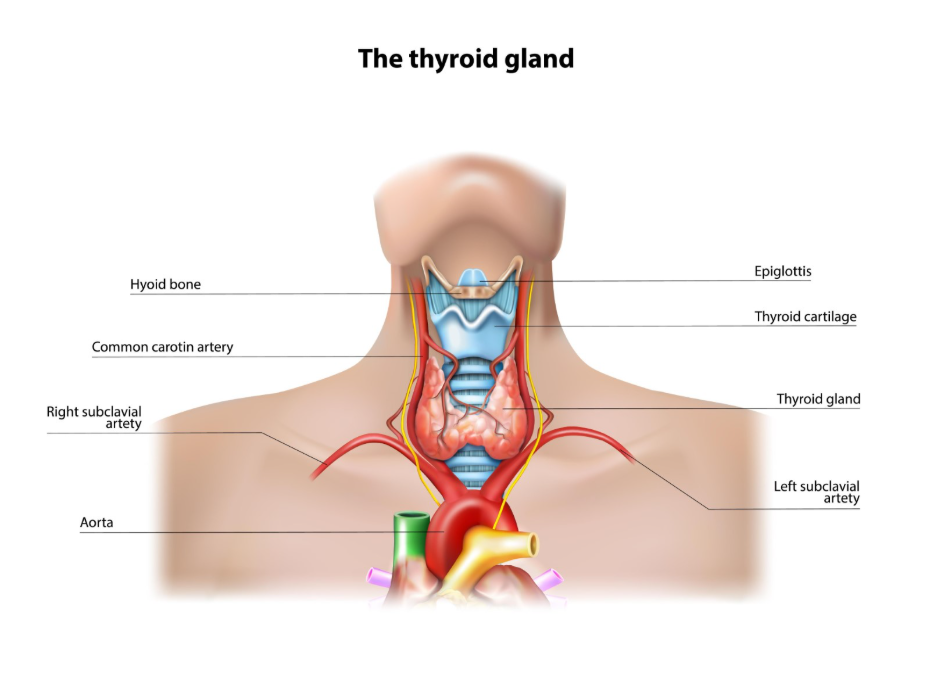
Both overactive and underactive thyroid functions are monitored closely in the United Kingdom through regular blood tests during the antenatal period. If left untreated, these imbalances can lead to restricted foetal growth or premature birth, both of which are independent risk factors for neurological injury. Similarly, poorly managed maternal diabetes can affect the baby’s size and increase the risk of complications during delivery. The NHS utilizes integrated care pathways where obstetricians and endocrinologists work together to maintain stable maternal health. This collaborative approach ensures that the physiological environment remains optimal for the developing foetal nervous system throughout the pregnancy.
Pre-eclampsia and Hypertensive Disorders
High blood pressure and pre-eclampsia are maternal conditions that can increase the risk of cerebral palsy by restricting the flow of blood and oxygen through the placenta to the foetus. Pre-eclampsia is a condition characterised by high blood pressure and the presence of protein in the urine, which can lead to placental insufficiency and restricted foetal growth. The GOV.UK health pages provide clinical profiles indicating that the management of hypertensive disorders in pregnancy is a priority for ensuring safe outcomes and reducing neonatal complications.
In the United Kingdom, midwives perform blood pressure and urine checks at every antenatal appointment to screen for early signs of these disorders. If blood pressure becomes dangerously high, the obstetric team may recommend medication or an early delivery to protect both the mother and the baby. This proactive management is designed to prevent the sudden disruption of oxygen supply that can cause brain injury. The UK maternity safety framework prioritises the identification of women at high risk for pre-eclampsia, often prescribing low-dose aspirin as a preventative measure. By controlling maternal blood pressure, the NHS reduces the likelihood of the foetus experiencing the vascular stresses that contribute to motor impairment.
Blood Clotting Disorders and Placental Function
Maternal blood clotting disorders, or thrombophilias, can increase the risk of cerebral palsy by causing small clots to form in the placenta, which can interrupt the consistent supply of nutrients and oxygen to the foetal brain. These disorders can be inherited or acquired and may lead to placental infarctions, where areas of the placenta stop functioning correctly due to a lack of blood flow.
| Condition Type | Impact on Pregnancy | UK Clinical Management |
| Thrombophilia | Risk of placental blood clots. | Blood-thinning injections (Heparin). |
| Pre-eclampsia | Reduced placental blood flow. | Frequent growth scans and BP checks. |
| Diabetes | Large birth weight; delivery issues. | Strict blood glucose monitoring. |
| Infections | Brain inflammation (cytokines). | Antibiotics or antiviral therapy. |
In the United Kingdom, women with a history of blood clots or multiple miscarriages are often screened for these conditions before or during early pregnancy. If a clotting disorder is identified, the NHS provides specialist haematology support, which may involve the use of daily anticoagulant injections to keep the placental blood flow stable. This intervention is vital for preventing “silent” brain injuries that can occur over several weeks due to chronic low oxygen levels. By maintaining a healthy vascular connection through the placenta, the healthcare team protects the foetal brain from the ischaemic events that can lead to permanent motor disorders.
Integrated NHS Support for High-Risk Mothers
The United Kingdom provides a robust and integrated framework for managing maternal conditions to reduce the incidence of neurological injuries in infants. This involves a coordinated effort between various medical specialists who tailor their care to the specific health needs of the mother and the developing foetus.
The UK integrated support framework involves:
- Maternal Medicine Clinics: Specialist hubs for women with pre-existing or pregnancy-induced conditions.
- Regular Ultrasound Reviews: Monitoring foetal growth and placental blood flow in high-risk cases.
- Consultant-Led Care: Ensuring that pregnancies with medical complexities are managed by senior obstetricians.
- Multidisciplinary Planning: Coordinated meetings between doctors to plan for a safe and timely delivery.
This coordinated system ensures that any maternal health challenges are addressed according to national evidence-based standards. Accessing these services through the NHS provides a safety net of professional expertise for families. For example, the “Growth Assessment Protocol” is used to identify when maternal conditions are starting to impact the baby’s development. By utilising these integrated pathways, the UK healthcare system aims to mitigate the risks associated with maternal health, acknowledging the profound influence of the pregnancy environment on long-term neurological stability.
Conclusion
Maternal conditions such as infections, thyroid disorders, and pre-eclampsia can increase the risk of cerebral palsy by impacting foetal brain development or restricting oxygen supply. In the UK, the NHS manages these risks through structured antenatal screening and integrated specialist clinics to maintain maternal and foetal health. While many neurological injuries occur spontaneously, the proactive management of maternal hypertension and metabolic health remains a cornerstone of risk reduction. Following a coordinated management plan with the multidisciplinary team ensures that potential complications are identified and supported promptly. The UK healthcare system provides a life-long framework of support for children and their families.
Does every mother with high blood pressure have a baby with cerebral palsy?
No; the vast majority of women with high blood pressure in the UK have healthy babies because the condition is monitored and managed carefully by the NHS.
Can I prevent cerebral palsy by taking vitamins?
While folic acid and a balanced diet support healthy foetal development, there is no specific vitamin that can prevent the condition.
Why are infections so serious during pregnancy?
Infections can cause the mother’s body to release inflammatory chemicals that can cross the placenta and damage the baby’s developing brain tissue.
Is gestational diabetes a risk factor?
It can be if not managed, as it may lead to a difficult delivery or premature birth, which are both associated with higher neurological risks.
Can a mother’s age affect the risk?
Maternal age is not a direct cause, but older mothers in the UK are more likely to have conditions like high blood pressure that require closer monitoring.
What should I do if I get a fever while pregnant?
In the UK, you should contact your midwife or GP for advice, as a persistent fever can be a sign of an infection that needs treatment.
Are thyroid medications safe to take during pregnancy?
Yes; in fact, maintaining correct thyroid levels with medication is essential for the healthy development of the baby’s brain.
Authority Snapshot (E-E-A-T)
This article provides medically factual health education regarding the impact of maternal conditions on cerebral palsy risk, strictly aligned with NHS and NICE clinical guidelines. The content is developed by a professional medical writing team and reviewed by Dr. Rebecca Fernandez, a UK-trained physician with experience in general surgery, cardiology, and emergency medicine. All information follows current UK public health protocols to ensure clinical accuracy and patient safety.
