
Genetic conditions can contribute to the development of cerebral palsy by influencing how the brain forms or by increasing the vulnerability of the developing nervous system to external injuries. In the United Kingdom, the NHS uses a multidisciplinary framework to investigate the underlying causes of motor impairment. While most cases result from environmental factors such as prematurity or infection, modern clinical genetics is identifying a growing number of cases where spontaneous genetic changes play a role.
What We’ll Discuss in This Article
- The distinction between inherited conditions and spontaneous genetic changes.
- How genetic variations can affect brain structure and motor pathways.
- The role of genomic sequencing in identifying rare causes of disability.
- Differentiating between cerebral palsy and hereditary progressive disorders.
- Integrated NHS support for families undergoing genetic investigation.
- Environmental factors that interact with genetic predispositions in the UK.
Genetic Contributions to Cerebral Palsy Risk
Genetic conditions can cause cerebral palsy by altering the instructions for building the brain or by making the foetus more susceptible to events such as oxygen deprivation or infection. While the condition was historically viewed as purely environmental, recent research in the United Kingdom has shown that genetic variations may be involved in a significant minority of cases. The NHS states that while cerebral palsy is usually caused by an injury to the brain, in some cases, genetic changes may be responsible for the brain not developing properly.
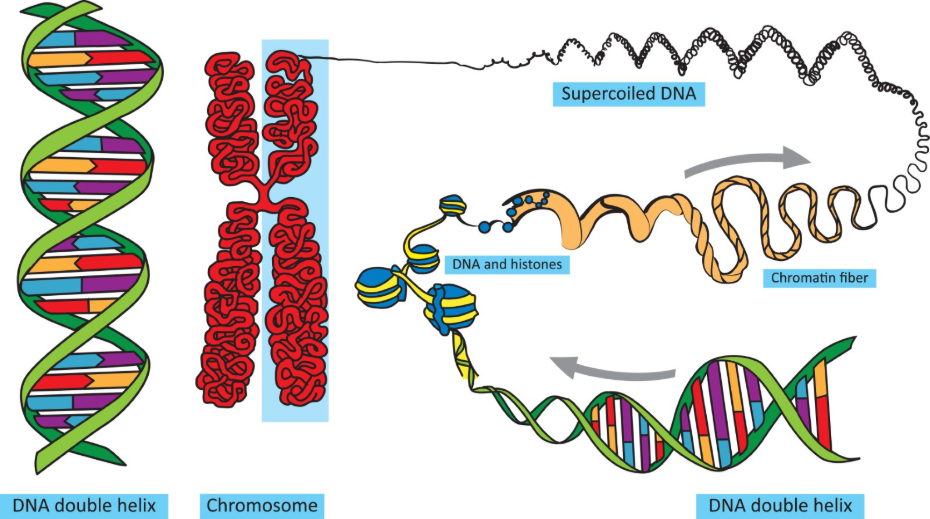
These genetic factors are often not passed down from parents but occur as new, spontaneous changes in the child’s DNA. Such variations can impact the migration of neurons or the formation of the brain’s white matter, which is essential for transmitting signals to the muscles. In the UK, if a child has a movement disorder without an obvious history of birth complications, a specialist may suggest a genetic review. This approach helps the clinical team understand the biological origin of the motor challenges. By identifying these genetic links, the healthcare system aims to provide families with a more complete understanding of their child’s diagnosis and long-term health needs.
Differentiating Hereditary Conditions from Cerebral Palsy
It is clinically important to distinguish between cerebral palsy caused by genetic changes and other hereditary conditions that may look similar but follow different progression patterns. Cerebral palsy is defined as a non-progressive disorder, meaning the original brain damage does not get worse over time, whereas some inherited metabolic or degenerative diseases can be progressive. NICE clinical guidelines for cerebral palsy indicate that a thorough diagnostic review is necessary to rule out alternative hereditary neurological conditions that require different management.
In the United Kingdom, specialists use “red flags” to determine if a condition might be a hereditary progressive disorder rather than cerebral palsy. These include a loss of previously achieved skills (regression) or a family history of similar neurological symptoms. The NHS provides access to clinical geneticists who use detailed family histories and metabolic tests to ensure the diagnosis is accurate. Ensuring the correct classification is vital because it determines the focus of therapy and the expected developmental trajectory. This structured diagnostic process provides a safety net for families, ensuring that the support they receive is aligned with the specific nature of their child’s neurological profile.
The Role of Spontaneous Mutations and Genomic Sequencing
Spontaneous genetic mutations, known as “de novo” changes, are increasingly recognised in the United Kingdom as a factor in cases of cerebral palsy where there is no clear history of pregnancy or birth complications. Unlike hereditary conditions, these mutations are not carried by either parent but occur randomly during the early stages of the child’s development.
| Feature | Hereditary Disease | De Novo Genetic CP |
| Origin | Passed from parents to child. | New change in the child’s DNA. |
| Recurrence Risk | Can be high (e.g. 25% or 50%). | Usually very low for siblings. |
| Progression | Often worsens over time. | Generally non-progressive. |
| Investigation | Family carrier testing. | Whole-genome sequencing. |
In the United Kingdom, the NHS has integrated advanced genomic sequencing into the diagnostic pathway for complex neurological cases. This technology allows clinicians to examine the entire genetic code to look for rare variations that might affect motor control. For many families in the UK, identifying a de novo mutation provides a clear biological explanation for the condition and offers reassurance regarding future pregnancies. The healthcare system prioritises these investigations to ensure that every child with a movement disorder has access to a precise diagnosis. This research-led approach ensures that the management plan is tailored to the individual’s unique biological makeup.
Interaction Between Genes and Environment
Cerebral palsy often results from a complex interaction between a genetic predisposition and environmental stresses, such as prematurity, maternal infection, or restricted blood flow in the womb. This means that a specific genetic makeup might not cause the condition on its own but may make the developing brain less able to cope with a difficult birth or a period of low oxygen. The GOV.UK health pages provide clinical profiles indicating that the interplay between biological vulnerability and prenatal environment is a key focus for improving neonatal outcomes.
In the United Kingdom, this “double-hit” theory explains why some infants develop cerebral palsy after a minor event while others recover fully from more significant trauma. For example, genes involved in inflammation or blood clotting may influence how the brain responds to an infection during pregnancy. The NHS monitors these combined risks through integrated maternity and neonatal services. By understanding how genetics and environment work together, UK clinicians can better identify infants at higher risk and provide more intensive early monitoring. This holistic view of the condition acknowledges that motor impairments are rarely the result of a single isolated factor but are often the outcome of various biological and external influences.
Integrated NHS Diagnostic and Genetic Support
The United Kingdom provides an integrated framework of support for families whose children are undergoing genetic investigation for cerebral palsy. This coordinated effort involves paediatricians, neurologists, and clinical geneticists who work together to ensure that the diagnostic journey is supportive and evidence-based.
The UK integrated care framework involves:
- Multidisciplinary Reviews: Combining imaging and genetic data to confirm the diagnosis.
- Genetic Counselling: Providing clear information about the implications of any genetic findings.
- Specialist Nursing: Offering a consistent point of contact for families during the testing process.
- Neuro-disability Teams: Ensuring that therapy begins promptly while investigations continue.
In the UK, this support is often delivered through local Child Development Centres or regional genetics hubs. The healthcare system ensures that families are involved in the decision-making process and that the results of any tests are explained in a neutral and factual manner. This professional safety net is essential for helping families navigate the complexities of a neurological diagnosis. By utilising these integrated pathways, the NHS aims to provide every individual with the highest standard of care, ensuring that their medical, social, and developmental needs are met through a single, coordinated system.
Conclusion
Genetic conditions can cause or contribute to cerebral palsy through spontaneous mutations that alter brain development or increase vulnerability to environmental stress. In the UK, the NHS uses genomic sequencing and specialist multidisciplinary teams to differentiate these cases from other hereditary progressive disorders. While the condition remains primarily a motor disorder with a static brain injury, understanding the genetic influence helps provide an accurate diagnosis and appropriate long-term support. Following a structured diagnostic pathway ensures that every child receives a management plan tailored to their specific needs. The UK healthcare system provides a life-long framework of care for affected individuals and their families.
Is cerebral palsy always passed down from parents?
No; it is rarely hereditary and most genetic cases involve new changes that occur spontaneously in the child.
Why does the NHS offer genetic testing for cerebral palsy?
Testing is used to find a clear cause for the movement disorder and to rule out other conditions that might get worse over time.
What is a “de novo” mutation?
It is a genetic change that happens for the first time in a child and is not present in the mother or the father.
Can a genetic condition be treated?
While the genetic change cannot be reversed, identifying it helps doctors choose the best therapies and medications for the individual.?
If one child has a genetic cause, will the next one?
In most cases involving spontaneous mutations, the risk of it happening again in a future sibling is very low.
How long do genetic test results take in the UK?
Complex genomic testing through the NHS can take several months as the data must be carefully analysed by specialists.
Does a genetic diagnosis change the therapy plan?
The focus remains on functional mobility, but a genetic diagnosis can help the team predict future needs more accurately.
Authority Snapshot (E-E-A-T)
This article provides medically factual health education regarding the genetic causes of cerebral palsy, strictly aligned with NHS and NICE clinical guidelines. The content is developed by a professional medical writing team and reviewed by Dr. Rebecca Fernandez, a UK-trained physician with experience in general surgery, cardiology, and emergency medicine. All information follows current UK public health protocols to ensure clinical accuracy and patient safety.
