
The speed at which a brain tumour grows varies significantly depending on its specific cellular grade and type, with some tumours remaining stable for decades while others progress rapidly over a matter of weeks. In the United Kingdom, healthcare professionals use a standardised grading system to categorise these growths based on how abnormal the cells appear under a microscope and how quickly they are likely to divide.The UK healthcare system utilise advanced imaging and multidisciplinary reviews to monitor these growth rates and determine the most appropriate timing for clinical intervention. Understanding the factors that influence the pace of tumour development is essential for patients and their families as they navigate the management process. By adhering to evidence-based protocols established by the NHS and NICE, medical teams aim to provide a structured approach to monitoring and treating tumours according to their specific biological behaviour. This ensures that care is proportionate to the growth rate and preserves as much neurological function as possible.
What We’ll Discuss in This Article
- The biological basis of tumour growth and the cell division process.
- How the World Health Organization (WHO) grading system relates to speed.
- The difference in growth rates between benign and malignant tumours.
- Factors such as blood supply and genetic mutations that influence pace.
- The role of regular MRI monitoring in tracking tumour progression.
- UK clinical pathways for managing fast-growing versus slow-growing tumours.
The Biological Mechanism of Growth Speed
The speed of a brain tumour is fundamentally determined by the rate at which its cells replicate and the balance between new cell production and natural cell death. In a healthy brain, cell division is a highly regulated process; however, in a tumour, genetic mutations disrupt these signals, leading to uncontrolled multiplication. The NHS states that a brain tumour is a growth of cells in the brain that multiplies in an abnormal, uncontrollable way.
When these mutations are extensive, the “doubling time” of the tumour cells the time it takes for the number of cells to twofold is significantly shortened. Faster-growing tumours also tend to be more efficient at recruitment of new blood vessels, a process called angiogenesis, which provides the nutrients and oxygen required to sustain rapid expansion. In the United Kingdom, pathologists look for “mitotic figures” in tissue samples, which are cells actively caught in the process of dividing, to help estimate the speed of growth. This biological profiling is essential for distinguishing between a growth that can be monitored safely and one that requires urgent management.
WHO Grading and Estimated Growth Timelines
Healthcare professionals in the UK follow the World Health Organization (WHO) grading system, which classifies brain tumours from Grade 1 to Grade 4 specifically to indicate their likely growth rate and clinical behaviour. This system provides a vital framework for predicting how a tumour will progress over time and how urgently the patient needs to be seen by a specialist team.
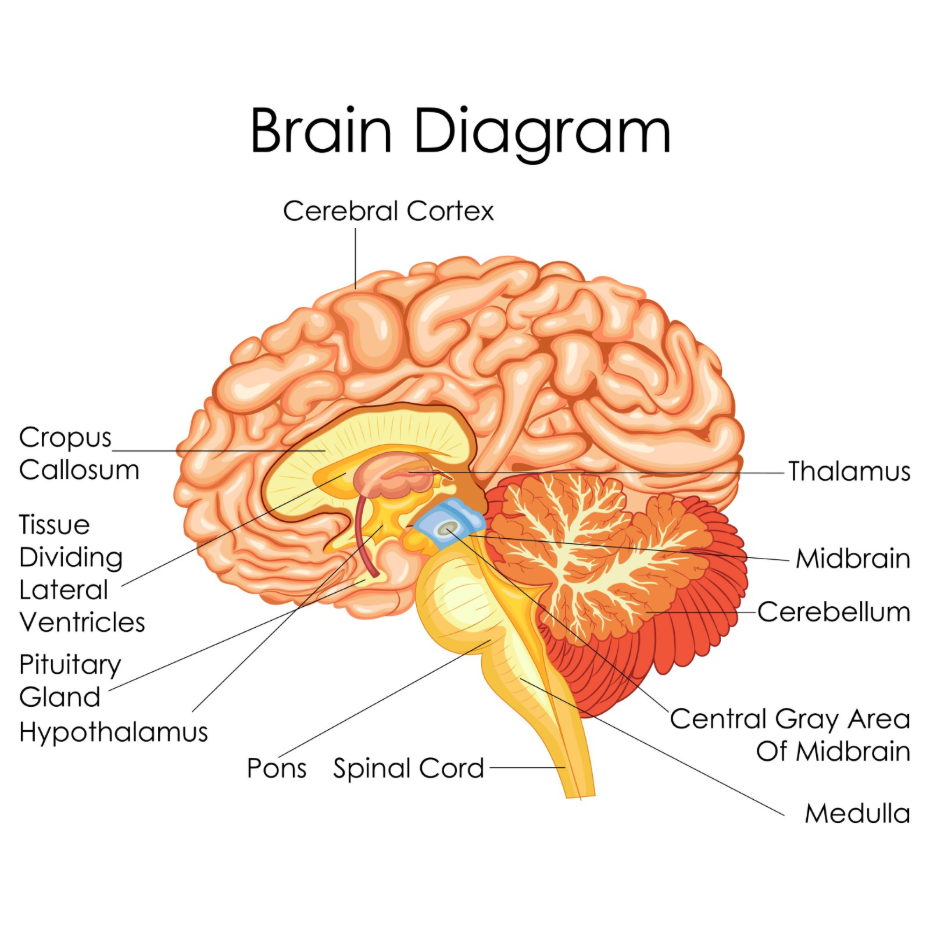
Grade 1 tumours are the slowest growing and may remain the same size for many years, often allowing for a conservative management approach. Grade 4 tumours, such as glioblastomas, are the most aggressive and can increase in size visibly between scans taken only a few weeks apart. | NICE clinical guidelines for brain tumours indicate that the grade is a primary factor in determining the frequency of follow-up imaging and the intensity of the management plan. This classification ensures that UK patients receive a management strategy that is precisely matched to the speed of their specific condition.
Growth Differences Between Benign and Malignant Tumours
A significant distinction in growth speed exists between benign (non-cancerous) and malignant (cancerous) brain tumours, primarily due to how the cells interact with the surrounding healthy brain tissue. Benign tumours typically grow in a self-contained way, often with a clear border or capsule that separates them from the rest of the brain. Because they do not usually invade the healthy tissue, their expansion is limited to pushing against structures, which is generally a slow process.
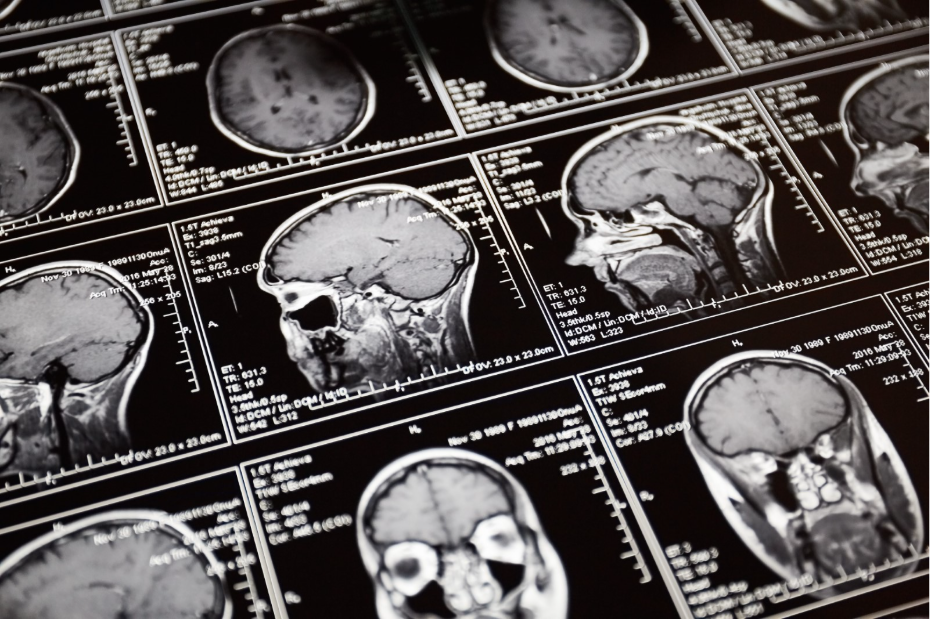
Malignant tumours, however, grow by actively infiltrating the healthy brain tissue, with finger-like projections that allow them to spread rapidly through the spaces between neurons. This invasive growth pattern is much faster because the tumour is not confined to its original mass. In the United Kingdom, imaging such as MRI is used to look for “oedema” or swelling around the tumour, which is often a sign of a faster-growing, malignant process. While a benign tumour might take a decade to double in size, a malignant one can cause significant neurological changes in a matter of days or weeks due to this aggressive biological behaviour.
Factors Influencing the Pace of Progression
Several internal factors can influence how fast a brain tumour grows, including the specific genetic mutations present in the cells and the availability of a robust blood supply within the skull. Mutations in certain genes, such as the IDH gene or the presence of MGMT promoter methylation, can significantly alter the behaviour and growth rate of gliomas.
The GOV.UK health pages provide clinical information on how molecular markers are increasingly used alongside traditional grading to refine the understanding of tumour progression. Additionally, the environment within the brain plays a role; a tumour that is well-supplied with blood will have the energy to grow faster than one with a limited supply. Sometimes, a slow-growing Grade 2 tumour can undergo further genetic changes, causing it to “transform” into a faster-growing Grade 3 or 4 tumour. This potential for change is why UK specialists maintain regular contact with patients who have been diagnosed with low-grade growths, ensuring that any increase in the pace of progression is identified through surveillance.
Tracking Growth Through MRI Surveillance
The most effective way to track how fast a brain tumour is growing in the United Kingdom is through serial MRI (Magnetic Resonance Imaging) scans, which allow clinicians to compare the size and characteristics of the growth over fixed intervals. For patients with slow-growing, low-grade tumours, these scans may be spaced six to twelve months apart.
If a tumour is suspected of being high-grade, or if a patient is undergoing active management, scans are performed much more frequently to monitor the response to treatment and check for any rapid changes. UK radiologists use precise measurements to detect even millimetre-level increases in tumour volume. This monitoring, often called “active surveillance” or “watch and wait,” is a proactive strategy to ensure that intervention only occurs when it is clinically necessary. By maintaining a visual history of the tumour’s behaviour, the multidisciplinary team can make informed decisions about when to shift from observation to more active management. This integrated approach prioritises the patient’s current quality of life while ensuring that any acceleration in growth is addressed before it causes permanent neurological deficit.
UK clinical Pathways for Growth Management
Integrated care pathways in the United Kingdom ensure that the management of a brain tumour is dictated by its growth speed and the symptoms it causes, with fast-tracked access for those with aggressive growths. Patients with suspected high-grade tumours are seen under the “Faster Diagnosis Standard,” which aims to provide a definitive diagnosis or rule out cancer within 28 days of a GP referral.
The UK management pathway includes:
- MDT Assessment: Specialists including surgeons, oncologists, and radiologists reviewing growth patterns.
- Biopsy analysis: Confirming the grade and molecular features that dictate growth speed.
- Emergency Intervention: Prioritising surgery or medication to reduce pressure if a tumour grows rapidly.
- Long-term Monitoring: Using scheduled scans for those with stationary or slow-growing benign tumours.
This structured system ensures that patients are not over-treated for very slow-growing tumours, while those with fast-growing variants receive urgent care. By coordinating between different hospital departments, the NHS provides a safety net that adapts to the biological pace of the condition. This ensures that every patient, regardless of the speed of their tumour, receives care that is aligned with the latest national clinical standards.
Conclusion
The speed of brain tumour growth is highly variable and is primarily determined by the cellular grade, with low-grade tumours growing slowly over years and high-grade tumours progressing rapidly over weeks. In the UK, the WHO grading system and advanced MRI monitoring are the primary tools used to track these rates and guide clinical decisions. While benign tumours generally expand slowly, malignant tumours invade healthy tissue aggressively. Consistent clinical follow-up is essential to identify any changes in growth pace and to ensure that intervention is timed effectively. Adhering to professional medical advice and attending all scheduled scans are the best ways to manage the risks associated with tumour progression. If you experience severe, sudden, or worsening symptoms, call 999 immediately.
Does a headache mean my tumour is growing fast?
Not necessarily; headaches can be caused by swelling or the tumour’s location, rather than just its growth speed, and many slow-growing tumours eventually cause headaches.
Can a slow-growing tumour suddenly speed up?
Yes, a low-grade tumour can sometimes undergo genetic changes and “transform” into a higher-grade, faster-growing tumour over time.
Why can’t I have a scan every month to be safe?
Scans are scheduled based on the expected growth rate of your specific tumour; for slow-growing tumours, monthly scans provide little extra information and increase hospital visits.
Do all high-grade tumours grow at the same speed?
No; even among high-grade tumours, the pace can vary depending on individual genetic markers and how well the tumour responds to management.
Can lifestyle changes slow down tumour growth?
There is currently no scientific evidence that specific diets or lifestyle changes can physically slow the growth rate of a brain tumour.
How do doctors measure the growth?
UK specialists use high-resolution MRI scans to compare the height, width, and depth of the tumour against previous images to calculate volume changes.
Is a fast-growing tumour more painful than a slow one?
The level of pain is usually related to the pressure inside the skull and the location of the tumour, rather than just the speed at which the cells divide.
Authority Snapshot (E-E-A-T)
This article provides medically factual health education regarding brain tumour growth rates, strictly aligned with NHS and NICE clinical guidelines. The content is developed by a professional medical writing team and reviewed by Dr. Stefan Petrov, a UK-trained physician with experience in emergency care, surgery, and clinical education. All information follows current UK public health protocols to ensure clinical accuracy and patient safety.
