
Early symptoms of a brain tumour vary significantly between individuals and are primarily determined by the growth rate of the tumour and its specific location within the skull. Because the brain is the control centre for all bodily functions, symptoms can manifest as physical, cognitive, or emotional changes depending on which neurological pathways are being disrupted. In the United Kingdom, healthcare professionals categorise these signs into general symptoms caused by increased pressure inside the skull and focal symptoms related to the specific part of the brain affected. The UK healthcare system utilise a structured diagnostic pathway to ensure that patients with suspicious neurological signs are evaluated by specialists in a timely manner. Understanding the broad spectrum of potential early indicators is essential for ensuring that patients seek appropriate medical advice. By following evidence-based protocols established by the NHS and NICE, clinicians aim to identify the underlying cause of these symptoms accurately while prioritising the patient’s neurological stability and overall well-being.
What We’ll Discuss in This Article
- General symptoms associated with increased intracranial pressure.
- Characteristics of headaches that may require further investigation.
- The clinical significance of first-time seizures or fits.
- How location-specific symptoms affect motor skills and speech.
- Cognitive and personality changes as early indicators.
- UK clinical pathways for the urgent assessment of neurological signs.
General Symptoms and Increased Intracranial Pressure
General symptoms of a brain tumour occur when the growth of a mass or the surrounding swelling causes an increase in pressure within the rigid structure of the skull. This is known as increased intracranial pressure and often leads to non-specific signs that affect a person’s overall sense of well-being. The NHS states that a brain tumour can cause symptoms by increasing the pressure inside the skull or by damaging the part of the brain where the tumour is growing.
Common general symptoms include a persistent feeling of nausea or being physically sick, which may occur regardless of food intake and is often more prominent in the morning. Drowsiness, confusion, and a general lack of energy are also frequently reported. In the United Kingdom, clinicians assess these signs alongside the patient’s history to determine if they are part of a wider neurological pattern. Because the skull cannot expand, even a small amount of extra pressure can interfere with the normal circulation of cerebrospinal fluid, leading to these systemic symptoms. While these signs can be subtle at first, their progressive nature is a key factor that medical teams consider during the initial evaluation.
Characteristics of Headaches and Morning Sickness
Headaches are a very common symptom, but those associated with a brain tumour often have specific characteristics, such as being worse in the morning or aggravated by coughing and straining. Most headaches are not caused by tumours; however, a change in the pattern of a person’s usual headaches or the development of a new, persistent pain requires clinical attention.
These headaches are frequently described as a dull, constant ache that may improve once the person has been upright for a few hours. They are often accompanied by “projectile” vomiting that occurs without an upset stomach. NICE clinical guidelines for brain tumours indicate that a new-onset headache associated with features of increased intracranial pressure, such as waking at night with pain, should be investigated urgently. In the UK, GPs are trained to look for “red flags,” such as headaches that worsen when lying down or are associated with blurred vision. These features suggest that the pressure inside the head is fluctuating, which is a common occurrence when a structural growth is present.
Seizures and Neurological Fits
A first-time seizure in an adult is a significant clinical sign that often leads to an urgent referral for brain imaging in the United Kingdom. Seizures occur when the presence of a tumour irritates the surrounding electrical pathways of the brain, causing a temporary disruption in normal brain activity.
| Type of Seizure | Common Manifestation | Neurological Context |
| Generalized | Loss of consciousness; muscle jerking. | Affects both sides of the brain. |
| Focal (Simple) | Twitching in one limb; strange smells. | Affects a specific part of the brain. |
| Focal (Complex) | Confusion; repetitive movements. | Impacts awareness or memory. |
While seizures can be caused by many conditions, such as epilepsy or high fever, a new seizure in someone with no prior history is treated with a high degree of clinical priority. The nature of the seizure can sometimes provide a clue to the tumour’s location; for example, twitching in a specific hand may suggest a growth in the motor cortex on the opposite side of the brain. UK specialists use these events as a starting point for a comprehensive diagnostic workup, ensuring that any structural irritants within the brain are identified and managed promptly to prevent further neurological episodes.
Focal Symptoms and the Impact of Location
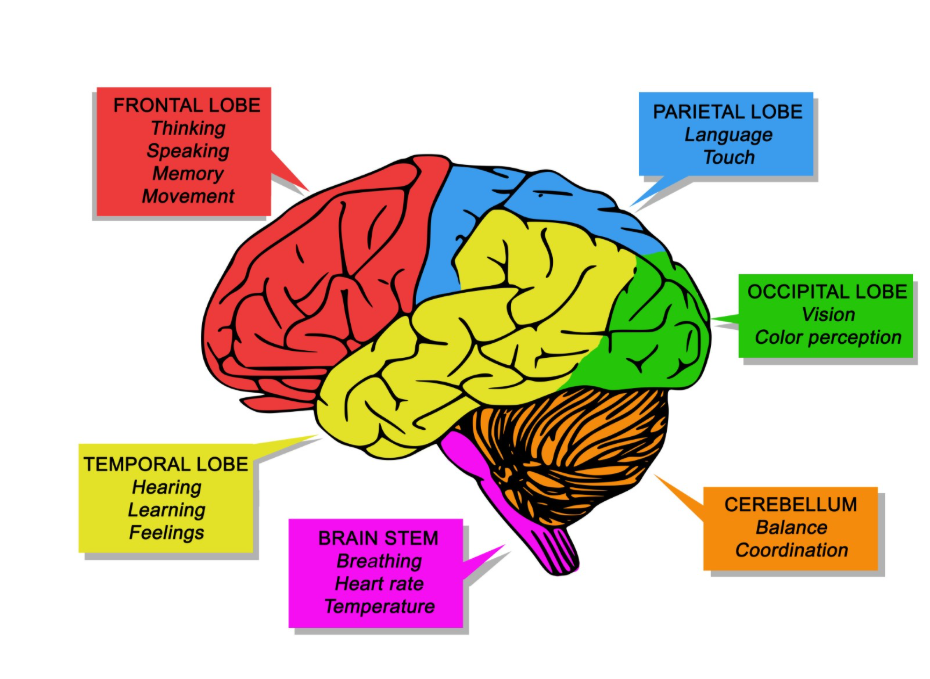
Focal symptoms are specific neurological deficits that occur when a tumour interferes with a particular part of the brain responsible for a certain task, such as speech, vision, or movement. Because the brain is highly mapped, clinicians can often predict where a tumour might be located based on the symptoms a patient describes.
For example, a tumour in the frontal lobe may cause weakness on one side of the body or difficulty walking. A growth in the temporal lobe might lead to speech problems, such as struggling to find the right words or understanding what others are saying. Occipital lobe tumours are frequently associated with vision loss, such as losing half the field of vision in both eyes. In the UK, these symptoms are assessed during a neurological examination, where a doctor checks reflexes, muscle strength, and coordination. These specific functional losses often develop gradually as the tumour grows and begins to compress the healthy neurons in its immediate vicinity.
Cognitive, Personality, and Sensory Changes
Early symptoms can also include subtle shifts in personality, memory, or cognitive processing, which may be more noticeable to family members than to the patient themselves. A person may become uncharacteristically irritable, anxious, or socially withdrawn. These changes are common if a tumour is located in the frontal lobe, which governs executive function and social behaviour.
Some individuals may experience sensory changes, such as phantom smells, hearing sounds that are not there, or persistent tingling in a limb. While these can be easily dismissed as stress or tiredness, their persistence is what concerns UK medical professionals. The GOV.UK health pages provide clinical profiles that describe how cognitive and behavioural changes can be the first presenting signs of a brain tumour. Because the brain manages complex identity and thought processes, any disruption to these delicate circuits can manifest as a change in the person’s core character or mental agility.
UK Clinical Pathways for Urgent Assessment
The United Kingdom uses integrated care pathways to ensure that patients with suspected brain tumours are assessed rapidly by a multidisciplinary team. This usually begins with a GP referral under the “28-Day Faster Diagnosis Standard,” which aims to provide a definitive diagnosis or rule out a tumour within four weeks.
The UK diagnostic pathway includes:
- Initial GP Review: A physical and neurological exam to identify red-flag symptoms.
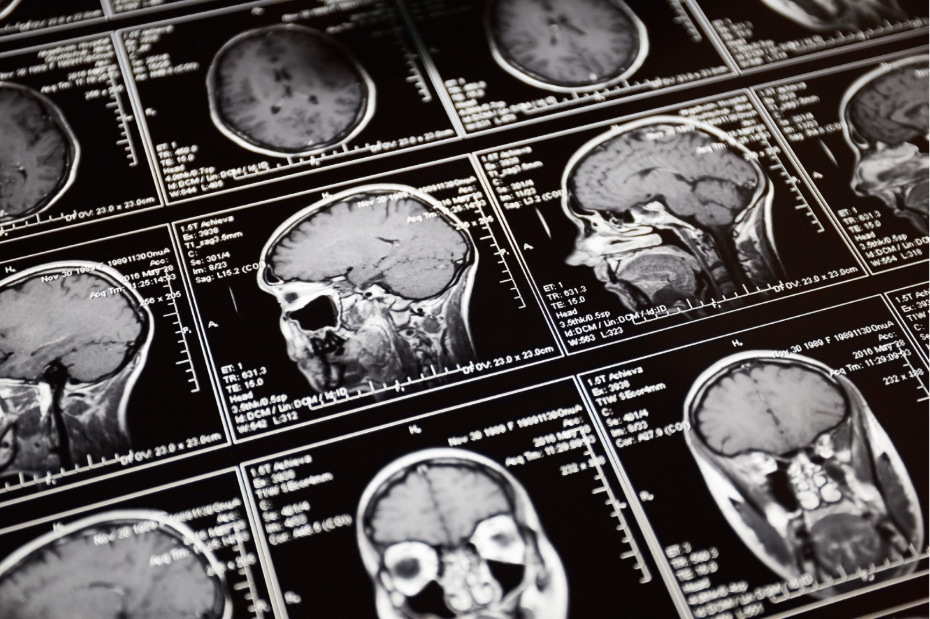
- Urgent Imaging: Access to CT or MRI scans to visualise the internal structures of the brain.
- Specialist Referral: Being seen by a neurologist or neurosurgeon to discuss scan findings.
- MDT Discussion: A group of experts reviewing the case to determine the best management plan.
This structured system ensures that patients do not face unnecessary delays in their care. By following these national protocols, the NHS provides a safety net that catches serious conditions early while offering reassurance to those whose symptoms are found to be less concerning. Early detection is a primary goal of UK neurological services, as it allows for a wider range of management options and better preservation of long-term health.
Conclusion
Early symptoms of a brain tumour can include persistent headaches, new seizures, and various physical or cognitive changes depending on the tumour’s location. While many of these signs are non-specific, their progressive nature or the sudden onset of a seizure requires professional evaluation. In the UK, the NHS provides a clear pathway for urgent investigation to identify the cause of these symptoms accurately. Maintaining awareness of your neurological health and reporting persistent changes to a healthcare professional is the most effective way to ensure early intervention. If you experience severe, sudden, or worsening symptoms, call 999 immediately.
Does a morning headache always mean a brain tumour?
No; while morning headaches are a known symptom, they are far more commonly caused by things like sleep apnoea, teeth grinding, or caffeine withdrawal.
Are seizures always “grand mal” with shaking?
No; some seizures are very subtle and may just involve a brief period of confusion, staring into space, or an unusual smell or taste.
Can a brain tumour affect my personality?
Yes, tumours in the frontal lobe can lead to changes in mood, social behaviour, or decision-making abilities.
How long should I wait if I have a persistent headache?
In the UK, if a headache is new, different from your usual pattern, and lasts for more than a couple of weeks, you should see a GP for a review.
Can an eye test find a brain tumour?
Sometimes; an optician may see swelling at the back of the eye (papilloedema) which can be a sign of increased pressure inside the skull.
Are these symptoms different in children?
Children may show different signs, such as excessive head growth in infants, persistent vomiting, or a noticeable tilt of the head.
Is memory loss a common early symptom?
Memory lapses can occur, particularly with tumours in the temporal or frontal lobes, though they are much more frequently caused by other health factors.
Authority Snapshot (E-E-A-T)
This article provides medically factual health education regarding the early symptoms of a brain tumour, strictly aligned with NHS and NICE clinical guidelines. The content is developed by a professional medical writing team and reviewed by Dr. Stefan Petrov, a UK-trained physician with experience in emergency care, surgery, and clinical education. All information follows current UK public health protocols to ensure clinical accuracy and patient safety.
