




Coping with stigma around mental health involves utilising factual medical education to challenge misconceptions, asserting your legal rights within professional and educational settings, and accessing integrated NHS support networks that foster social inclusion and biological resilience. In the United Kingdom, healthcare professionals recognise that the negative social perception of mental illness can act as a significant environmental stressor, potentially worsening an individual’s physiological and psychological wellbeing.
What We’ll Discuss in This Article
- The biological and psychological impact of social stigma on health.
- Utilising factual health education to challenge internalised misconceptions.
- Your legal protections and rights under the Equality Act 2010.
- Identifying the physical markers of stigma induced stress and tension.
- The role of peer support and community connection in recovery.
- Accessing integrated NHS pathways for managing the social impact of illness.
The Biological Impact of Stigma and Discrimination
Stigma acts as a chronic environmental stressor that can activate the hypothalamic-pituitary-adrenal axis, leading to the prolonged release of cortisol and increased autonomic nervous system arousal. In the United Kingdom, clinical research focuses on how the fear of judgment can create a state of hyper-vigilance, which negatively influences a person’s metabolic and emotional stability. The NHS states that stigma can make someone feel isolated and can sometimes be a barrier to seeking help for a mental health problem.
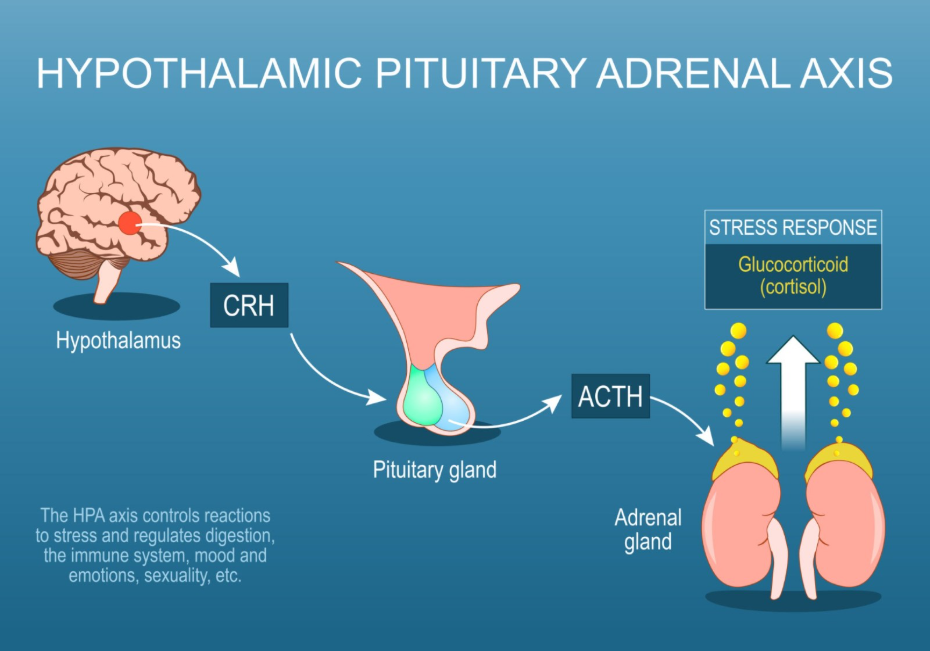
When an individual perceives social exclusion, the brain’s “threat detection” systems remain active, potentially leading to physical symptoms such as muscle tension, racing heart, or sleep disruption. In the UK, this professional framework provides a stable foundation for the health journey by identifying that the impact of stigma is a biological reality. By utilised these integrated pathways, the healthcare system ensures that every person’s profile is supported through evidence-based understanding. This coordinated effort prioritises the safety of the individual within a validated medical environment.
Challenging Misconceptions with Factual Education
Challenging misconceptions involves replacing unhelpful social narratives with factual information about the biological, genetic, and environmental drivers of mental health disorders to reduce internalised shame. In the United Kingdom, healthcare professionals emphasise that mental health conditions are health issues that require evidence-based management, similar to physical health conditions like diabetes or asthma. The GOV.UK health pages provide clinical profiles indicating that the monitoring of social and cognitive challenges is a priority for ensuring integrated support.
| Common Misconception | Factual Biological Reality | Functional Consideration |
| A Sign of Weakness | Results from complex chemical or structural changes. | Condition requires clinical management, not “willpower”. |
| Unpredictable Behavior | Symptoms are often manageable with treatment. | Most individuals maintain functional stability in society. |
| Rare Occurrence | Conditions are common across the UK population. | Integrated support is a standard part of public health. |
| Permanent Disability | Many people achieve high levels of recovery. | Focus is on long-term independence and wellbeing. |
| Self-inflicted State | Influenced by genetics and environmental stress. | Responsibility lies in management, not the cause. |
In the UK, these education strategies are managed through integrated care plans that prioritise a person-centred approach. Identifying that negative social feedback is an external stressor helps the multidisciplinary team select the most effective management strategy. This professional oversight is essential for providing a safe and accurate understanding of the individual’s functional capability. By building a robust evidence base through clinical review, the healthcare system provides a secure environment for long-term health.
Legal Protections and Rights in the United Kingdom
The Equality Act 2010 provides legal protections in the United Kingdom against discrimination based on mental health disability, requiring employers and educational providers to implement reasonable adjustments to support an individual’s participation. Healthcare professionals focus on these rights to ensure that stigma does not prevent individuals from maintaining their occupational or academic roles. NICE clinical guidelines for common mental health problems indicate that supporting an individual to stay in work is a vital component of functional stability.
Adjustments may include flexible working hours, a quiet environment, or modifications to specific responsibilities during a period of recovery. In the UK, the focus is on providing a stable foundation where the individual’s rights are respected alongside their clinical care. Identifying these underlying needs allows for more targeted help that addresses the actual social cause of distress. By utilised these professional frameworks, the UK system ensures that the person’s unique way of functioning is respected within their home and professional environment.
Identifying Markers of Stigma-Induced Stress
Identifying the markers of stigma-induced stress involves looking for a combination of physical and psychological indicators that suggest the individual is internalising social pressure or withdrawing due to fear of judgment. In the United Kingdom, healthcare professionals focus on how these indicators reflect the person’s autonomic nervous system balance and their ability to engage with their community.
Common markers identified in the UK include:
- Social Withdrawal: Avoiding social tasks or groups due to worry about perception.
- Hyper-vigilance: Constant alertness and monitoring of others’ reactions in social settings.
- Internalised Shame: Persistent negative self-talk based on social misconceptions.
- Physical Tension: Muscle bracing and headaches during or after social interactions.
- Sleep Disruption: Difficulty resting due to “rumination” or overthinking social events.
- Avoidance of Help: Delaying clinical reviews due to fear of the “label” or diagnosis.
In the UK, identifying these indicators early is vital for preventing the functional decline that often accompanies social isolation. The integrated support framework encourages a strengths-based approach, focusing on what the individual needs to remain healthy within their social context. These strategies aim to work with the individual’s biology to restore a sense of calm. This integrated approach ensures that the person’s unique way of functioning is respected within their community.
Accessing Integrated NHS Support Pathways
The pathway for coping with the social impact of mental health in the United Kingdom is a coordinated process involving primary care and community-based services such as social prescribing. This journey ensures that every individual receives a thorough review of their history and current environment to build a bespoke plan that promotes social inclusion.
The UK integrated support pathway involves:
- Initial GP Consultation: Discussing social stressors and emotional health for a clinical review.
- Social Prescribing: Connecting individuals with community groups and peer support networks.
- Talking Therapies: Accessing evidence-based support such as Cognitive Behavioural Therapy (CBT).
- Advocacy Services: Utilising specialist support to help communicate rights and needs to others.
- Integrated Care Planning: Co-ordinating support between the health service, family, and workplace.
- Regular Monitoring: Scheduled reviews to ensure that social and biological stability is maintained.
In the UK, the focus is on providing a stable foundation for the individual to move forward with self-understanding. The NHS ensures that adults and children have a consistent point of contact for their health needs while they navigate their lives. By utilised these integrated pathways, the healthcare system provides a secure environment for building long-term mental wellbeing across the UK population. These strategies aim to work with the individual’s biology to restore a sense of calm and purpose.
Conclusion
Coping with stigma is a structured process in the United Kingdom that utilises factual education, legal protections, and integrated NHS support to maintain functional stability. The NHS and professional bodies provide a robust system of multidisciplinary assessments to help individuals identify and manage the social challenges associated with their health. By focusing on both the biological roots of stress and the need for supportive environments, the system promotes the highest possible level of independence. Following a coordinated management plan with the help of medical and psychological experts ensures that unique adult and paediatric needs are addressed holistically.
What is “internalised stigma”?
It is when a person begins to believe the negative social misconceptions about their health, leading to lower self-worth and confidence.
How does the Equality Act 2010 help me?
It makes it illegal for employers or educators to treat you unfairly because of your mental health and requires them to provide support.
Why does stigma affect my physical health?
The stress caused by stigma activates your body’s “fight or flight” response, which can cause real physical symptoms over time.
Can a GP help me with social discrimination?
A GP can assess the impact on your health and refer you to services such as social prescribing or advocacy for practical support.
What is “social prescribing” in the UK?
It is an NHS service that helps you find local community activities and groups to improve your social wellbeing and reduce isolation.
How can I educate my family about my condition?
Utilising verified NHS or NICE information can provide them with a factual, biological basis for understanding your experiences.
Who should I talk to first if I feel judged?
The first point of contact in the United Kingdom is usually your GP to discuss your health and explore various support pathways.
Authority Snapshot (E-E-A-T)
This article provides medically factual health education regarding coping with stigma, strictly aligned with NHS and NICE clinical guidelines. The content is developed by a professional medical writing team and reviewed by Dr. Stefan Petrov, a UK-trained physician with experience in multiple clinical specialties including emergency care, general surgery, and medical education. All information follows current UK public health protocols to ensure clinical accuracy and patient safety.



