




People with schizophrenia can lead fulfilling and stable lives with treatment because modern integrated care pathways combine pharmacological stability with psychological therapies and social support to promote functional recovery and independence. In the United Kingdom, the healthcare system focuses on a recovery-based model that prioritises an individual’s ability to participate in their community, maintain relationships, and pursue vocational or educational goals while managing their health.
What We’ll Discuss in This Article
- The definition of recovery and functional stability in schizophrenia.
- How antipsychotic medication provides the biological foundation for daily life.
- The role of psychological therapies in maintaining long-term wellness.
- Social and vocational support systems within the United Kingdom.
- Identifying the markers of successful long-term clinical management.
- Accessing integrated NHS support pathways for sustained recovery.
The Biological Foundation of Functional Recovery
Recovery in schizophrenia begins with achieving biological stability through the regulation of neurotransmitters like dopamine, which allows the brain to process information more effectively and reduces the interference of psychotic symptoms. In the United Kingdom, healthcare professionals use evidence-based pharmacological management to create a stable foundation for daily activities. The NHS states that many people with schizophrenia lead a full life, although they may have periods where their symptoms return.
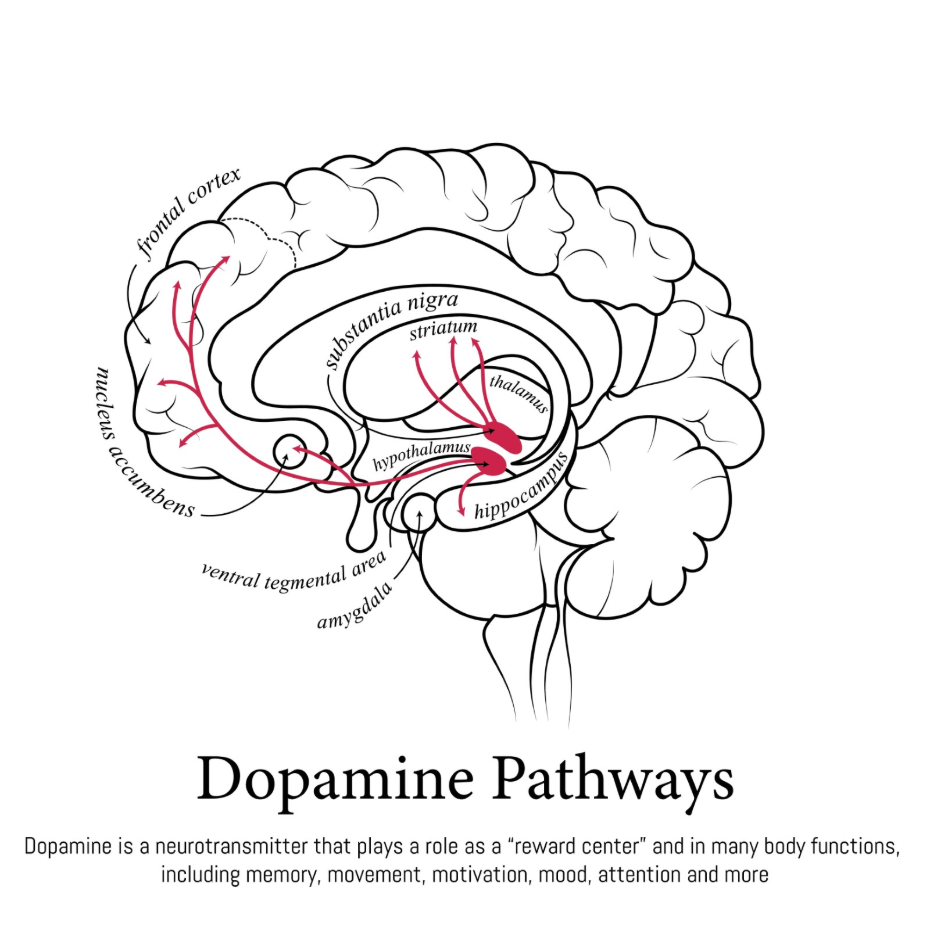
When the primary biological symptoms are managed, the brain’s executive functions, such as planning and decision-making, can operate more consistently. In the UK, this professional framework provides a stable foundation for the health journey by identifying that chemical stability is a prerequisite for functional independence. By utilised these integrated pathways, the healthcare system ensures that every person’s profile is supported through validated medical evidence. This coordinated effort prioritises the safety of the individual within a structured clinical environment.
The Role of Psychological Therapy in Daily Stability
Psychological therapies are essential for leading a stable life because they provide individuals with the cognitive tools to manage stress, identify early warning signs, and reduce the distress associated with persistent symptoms. In the United Kingdom, Cognitive Behavioural Therapy for psychosis (CBTp) is a standard intervention used to help individuals navigate the challenges of daily living. The NICE guidelines for psychosis and schizophrenia recommend that psychological interventions should be offered to promote recovery and prevent relapse.
| Recovery Component | Role of Therapy | Functional Outcome |
| Symptom Management | Developing coping skills for hallucinations. | Reduced interference with social tasks. |
| Stress Regulation | Learning to manage environmental triggers. | Lower risk of biological relapse. |
| Social Confidence | Improving interpersonal communication. | Maintenance of healthy relationships. |
| Problem Solving | Breaking down complex daily goals. | Success in education or employment. |
| Relapse Prevention | Identifying personalised warning signs. | Faster access to support if needed. |
In the UK, these strategies are managed through integrated care plans that prioritise a person-centred approach. Identifying that emotional regulation is a biological and psychological skill helps the multidisciplinary team provide effective support. This professional oversight is essential for providing a safe and accurate understanding of the individual’s functional capability. By building a robust evidence base through clinical review, the healthcare system provides a secure environment for long-term health.
Vocational and Educational Support in the UK
Leading a “normal” life often involves participating in work or education, and the United Kingdom provides specific support systems to help individuals with schizophrenia maintain their professional or academic roles. Healthcare professionals focus on vocational rehabilitation and “reasonable adjustments” to ensure that an individual’s environment supports their health and stability. The GOV.UK health pages provide clinical profiles indicating that the monitoring of social and cognitive challenges is a priority for ensuring integrated support.
These adjustments might include flexible hours, a quiet workspace, or phased returns to duties after a period of illness. In the UK, the focus is on providing a stable foundation where the individual’s professional life is reviewed alongside their clinical care. Identifying these underlying needs allows for more targeted help that addresses the actual biological and social cause of distress. By utilised these professional frameworks, the UK system ensures that the person’s unique way of functioning is respected within their workplace or school.
Identifying Markers of Successful Management
Identifying the markers of successful management involves looking for a combination of physical and psychological indicators that suggest the individual is maintaining functional stability and a high quality of life. In the United Kingdom, healthcare professionals focus on how these indicators reflect the person’s ability to live independently and achieve their personal goals.
Common markers identified in the UK include:
- Routine Maintenance: Consistency in managing daily self-care, nutrition, and hygiene.
- Social Connection: Maintaining meaningful relationships with friends, family, or peers.
- Occupational Stability: Participating in work, volunteering, or educational courses.
- Biological Stability: Stable sleep patterns and a regulated autonomic nervous system.
- Self-Awareness: Ability to recognise changes in health and seek clinical advice proactively.
- Community Engagement: Feeling capable of navigating public spaces and social environments.
In the UK, identifying these indicators early is vital for building professional and personal confidence. The integrated support framework encourages a strengths-based approach, focusing on what the individual needs to remain healthy within their community. These strategies aim to work with the individual’s biology to restore a sense of calm. This integrated approach ensures that the person’s unique way of functioning is respected within their social and professional life.
Integrated NHS Support for Long-term Wellness
The pathway for maintaining wellness in the United Kingdom is a coordinated process managed by specialist mental health teams through the Care Programme Approach (CPA). This journey ensures that every individual receives a thorough review of their history and current environment to build a bespoke recovery plan that supports their life goals.
The UK integrated support pathway involves:
- Care Coordination: Having a named professional to manage all aspects of clinical and social care.
- Physical Health Checks: Annual reviews of weight, blood pressure, and blood sugar levels.
- Medication Monitoring: Regular reviews to ensure biological management is effective and safe.
- Crisis Planning: Creating clear instructions on what to do if symptoms return to maintain safety.
- Social Prescribing: Accessing community groups and activities to improve overall wellbeing.
- Family Support: Providing education and sessions for relatives to foster a supportive home.
In the UK, the focus is on providing a stable foundation for the individual to move forward with self-understanding. The NHS ensures that adults have a consistent point of contact for their health needs while they navigate their lives. By utilised these integrated pathways, the healthcare system provides a secure environment for building long-term mental wellbeing across the UK population. These strategies aim to work with the individual’s biology to restore a sense of calm and purpose.
Conclusion
People with schizophrenia can and do lead fulfilling lives when they have access to integrated treatment that addresses their biological, psychological, and social needs. The NHS and professional bodies in the United Kingdom provide a robust system of multidisciplinary care to help individuals achieve stability and maintain their independence. By focusing on both the biological roots of symptoms and the need for supportive environments, the system promotes the highest possible level of recovery. Following a coordinated management plan with the help of medical and psychological experts ensures that unique health needs are addressed holistically.
What does “recovery” mean in schizophrenia?
In the UK, recovery refers to achieving a personally fulfilling life and functional stability, even if some symptoms occasionally persist.
Can I still drive if I have schizophrenia?
You must inform the DVLA of your condition, and they will assess your fitness to drive based on your clinical stability and medication.
How does medication help me lead a normal life?
It stabilises the brain chemicals that cause hallucinations or disorganised thoughts, allowing you to focus on your daily activities.
Are there jobs people with schizophrenia cannot do?
While most roles are accessible with reasonable adjustments, some safety-critical jobs may have specific health requirements you must meet.
Why do I need annual physical health checks?
Some treatments can affect your metabolism, so the NHS monitors your weight and blood sugar to keep you physically healthy.
Can I have a family and children?
Many people with schizophrenia have healthy relationships and families; your clinical team can provide support with family planning and parenting.
Who should I talk to first about my recovery goals?
The first point of contact in the United Kingdom is usually your GP or your mental health care coordinator.
Authority Snapshot (E-E-A-T)
This article provides medically factual health education regarding life with schizophrenia, strictly aligned with NHS and NICE clinical guidelines. The content is developed by a professional medical writing team and reviewed by Dr. Stefan Petrov, a UK-trained physician with experience in multiple clinical specialties including emergency care, surgery, and medical education. All information follows current UK public health protocols to ensure clinical accuracy and patient safety.



