




Managing daily life with a mental health disorder involves creating a structured routine that prioritises biological stability through consistent sleep, nutrition, and physical activity while utilising evidence-based coping strategies to regulate the body’s stress response. In the United Kingdom, healthcare professionals focus on functional recovery, helping individuals maintain their independence and participation in society. By utilising integrated NHS pathways, people can access multidisciplinary support.
What We’ll Discuss in This Article
- The biological importance of structure and routine for emotional regulation.
- How consistent sleep patterns support the body’s natural circadian rhythms.
- The role of balanced nutrition and hydration in maintaining energy levels.
- Identifying the physical markers of daily functional stability and health.
- Utilising evidence-based psychological tools to manage environmental stressors.
- Accessing integrated NHS support for managing long-term mental health conditions.
The Biological Importance of Routine and Structure
Routine and structure are essential for managing daily life because they help to regulate the autonomic nervous system by reducing the frequency of unexpected stressors and cognitive load on the brain. In the United Kingdom, clinical research focuses on how a predictable daily schedule can lower cortisol levels and provide a stable foundation for neurotransmitter balance. The NHS states that having a daily routine can help you manage your mental health and feel more in control.
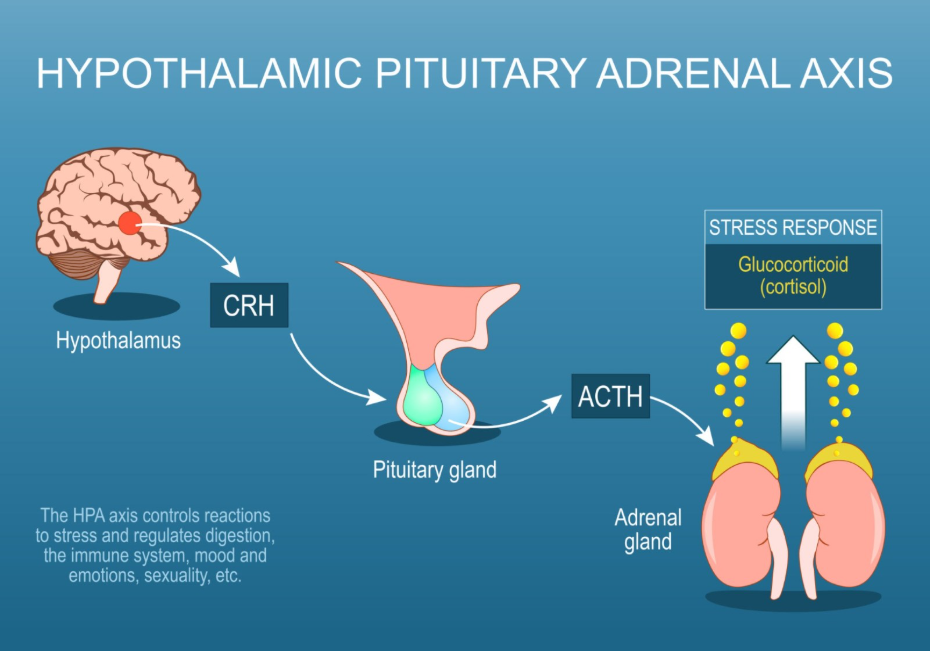
When an individual follows a consistent plan, the brain’s emotional regulation centres are less likely to be overwhelmed by the demands of decision-making. In the UK, this professional framework provides a stable foundation for the health journey by identifying that structure is a biological necessity for recovery. By utilised these integrated pathways, the healthcare system ensures that every person’s profile is supported through evidence-based understanding. This coordinated effort prioritises the safety of the individual within a validated medical environment.
Sleep Hygiene and Cognitive Function
Sleep hygiene is a vital component of daily life management because the brain requires restorative rest to process emotional information and maintain the cognitive functions necessary for work and social tasks. In the United Kingdom, healthcare professionals identify that chronic sleep disruption can worsen symptoms and reduce the effectiveness of other clinical interventions. NICE clinical guidelines for common mental health problems indicate that a thorough assessment should consider sleep hygiene as a core factor in functional health.
| Daily Factor | Biological Impact | Functional Consideration |
| Wake Time | Regulates the natural circadian rhythm. | Improved morning focus and alertness. |
| Light Exposure | Influences melatonin and serotonin production. | Better mood regulation throughout the day. |
| Activity Levels | Helps to manage the body’s stress hormones. | Reduced physical tension and restlessness. |
| Rest Periods | Allows for cognitive and physical recovery. | Prevention of daily “burnout” or fatigue. |
| Evening Routine | Signals the nervous system to power down. | Increased ability to fall asleep quickly. |
In the UK, these challenges are managed through integrated care plans that prioritise a person-centred approach. Identifying that fragmented sleep is a biological response to distress helps the multidisciplinary team select the most effective management strategy. This professional oversight is essential for providing a safe and accurate understanding of the individual’s functional capability. By building a robust evidence base through clinical review, the healthcare system provides a secure environment for long-term health.
Nutrition, Hydration, and Metabolic Health
Maintaining balanced nutrition and hydration is important for daily life management because the brain requires a steady supply of glucose and essential nutrients to produce neurotransmitters and regulate mood. In the United Kingdom, specialists recognise that significant fluctuations in blood sugar can mimic or worsen the symptoms of anxiety and depression. The GOV.UK health pages provide clinical profiles indicating that the monitoring of social and cognitive challenges is a priority for ensuring integrated support.
A diet rich in complex carbohydrates, healthy fats, and proteins supports sustained energy levels and reduces the physiological impact of stress. In the UK, the focus is on providing a stable foundation where the individual’s metabolic health is reviewed alongside their psychological state. Identifying these underlying drivers allows for more targeted help that addresses the actual biological cause of distress. By utilised these professional frameworks, the UK system provides a life-long framework of support that adapts to the person’s needs. This approach ensures that the person’s unique way of functioning is respected within their home and professional environment.
Identifying Markers of Daily Stability
Identifying the markers of daily stability involves looking for a combination of physical and psychological indicators that suggest the nervous system is responding well to management strategies. In the United Kingdom, healthcare professionals focus on how these improvements influence the person’s ability to maintain their social and professional commitments.
Common markers identified in the UK include:
- Energy Maintenance: Feeling able to complete daily tasks without overwhelming exhaustion.
- Concentration: Improved focus on work, education, or personal hobbies and interests.
- Social Engagement: Feeling capable of participating in interpersonal interactions and groups.
- Physical Regulation: Stable heart rate and breathing patterns during typical daily activities.
- Self-Care: Consistency in maintaining personal hygiene, nutrition, and home environment.
- Emotional Resilience: Managing minor daily setbacks without significant biological distress.
In the UK, identifying these indicators early is vital for preventing the functional decline that often accompanies chronic health challenges. The integrated support framework encourages a strengths-based approach, focusing on what the individual needs to remain healthy. By utilised these professional frameworks, the healthcare system provides a secure environment for building professional and personal confidence. These strategies aim to work with the individual’s biology to restore a sense of calm.
Psychological Tools for Environmental Stress
Utilising psychological tools such as mindfulness or cognitive reframing can help manage environmental stressors by training the brain to respond more effectively to perceived threats. In the United Kingdom, these tools are often taught through NHS talking therapies to provide individuals with practical ways to manage their symptoms in real-time.
These evidence-based strategies include:
- Grounding Techniques: Using sensory focus to return the nervous system to the present moment.
- Problem Solving: Breaking down overwhelming tasks into smaller, manageable daily goals.
- Pacing: Learning to balance active periods with rest to avoid biological energy depletion.
- Assertiveness: Communicating needs clearly to maintain healthy social and work boundaries.
- Relaxation Skills: Using breathing exercises to lower acute physiological arousal and tension.
- Journaling: Tracking symptoms and successes to identify patterns and progress over time.
In the UK, the focus is on a person-centred approach where the individual’s unique experience is respected. Identifying these indicators early is vital for preventing the emotional withdrawal that often accompanies health challenges. This professional oversight is essential for providing a safe and accurate understanding of the individual’s health journey. This integrated approach ensures that the person’s unique way of functioning is respected within their home and community.
Accessing Integrated NHS Support Pathways
The pathway for managing daily life with a mental health disorder in the United Kingdom is a coordinated process involving primary care and community-based services. This journey ensures that every individual receives a thorough review of their history and current environment to build a bespoke management plan.
The UK integrated support pathway involves:
- Initial GP Consultation: Discussing functional challenges and emotional symptoms for a clinical review.
- Social Prescribing: Connecting with community groups to improve social connection and wellbeing.
- Talking Therapies: Accessing evidence-based support such as Cognitive Behavioural Therapy (CBT).
- Occupational Health: Working with employers to implement reasonable adjustments in the workplace.
- Physical Screening: Ruling out biological causes for fatigue or concentration issues through blood tests.
- Regular Monitoring: Scheduled reviews to ensure that daily management strategies remain effective.
In the UK, the focus is on providing a stable foundation for the individual to move forward with self-understanding. The NHS ensures that adults and children have a consistent point of contact for their health needs while they navigate their lives. By utilised these integrated pathways, the healthcare system provides a secure environment for building long-term mental wellbeing across the UK population. These strategies aim to work with the individual’s biology to restore a sense of calm and purpose.
Conclusion
Managing daily life with a mental health disorder is a structured process in the United Kingdom that prioritises routine, biological health, and evidence-based psychological support. The NHS and professional bodies provide a robust system of multidisciplinary assessments to help individuals maintain their stability and functional independence. By focusing on both the biological roots of symptoms and the need for supportive environments, the system promotes the highest possible level of independence. Following a coordinated management plan with the help of medical and psychological experts ensures that unique adult and paediatric needs are addressed holistically.
Why is routine so important for my mental health?
A predictable routine lowers the stress on your brain by reducing the need for constant decision-making and planning.
Can I still work while managing a mental health condition?
Yes; in the UK, the Equality Act 2010 requires employers to consider reasonable adjustments to help you stay in work.
How does sleep affect my ability to cope?
Quality sleep allows your brain to process emotions and restores the chemicals needed for logic and emotional stability.
What is “pacing” in daily life?
It is the practice of balancing activity with rest to prevent physical and mental exhaustion throughout the day.
Will my GP help me with a daily plan?
A GP can assess your health and refer you to specialists like occupational therapists who help create functional daily routines.
Does diet really make a difference to my mood?
Stable nutrition prevents blood sugar spikes and crashes that can mimic or worsen symptoms of anxiety and low mood.
Who should I talk to first if I am struggling to manage my day?
The first point of contact in the United Kingdom is usually your GP to discuss your health and explore support options.
Authority Snapshot (E-E-A-T)
This article provides medically factual health education regarding daily life management, strictly aligned with NHS and NICE clinical guidelines. The content is developed by a professional medical writing team and reviewed by Dr. Stefan Petrov, a UK-trained physician with experience in multiple clinical specialties including emergency care, surgery, and medical education. All information follows current UK public health protocols to ensure clinical accuracy and patient safety.



