




Talking to friends or family about depression or anxiety involves choosing a comfortable environment and using factual language to explain how these conditions affect your daily functioning and biological wellbeing. In the United Kingdom, healthcare professionals recognise that social support is a vital component of recovery and stability. By sharing your experience, you can build a multidisciplinary support network that complements your formal NHS care.
What We’ll Discuss in This Article
- The biological importance of social support in mental health recovery.
- Preparing for the conversation and choosing the appropriate time.
- Factual ways to describe symptoms and their impact on daily life.
- Managing different types of reactions from friends and family members.
- The role of integrated NHS support in facilitating family communication.
- Identifying how social connection influences the body’s stress response.
The Biological Role of Social Support in Recovery
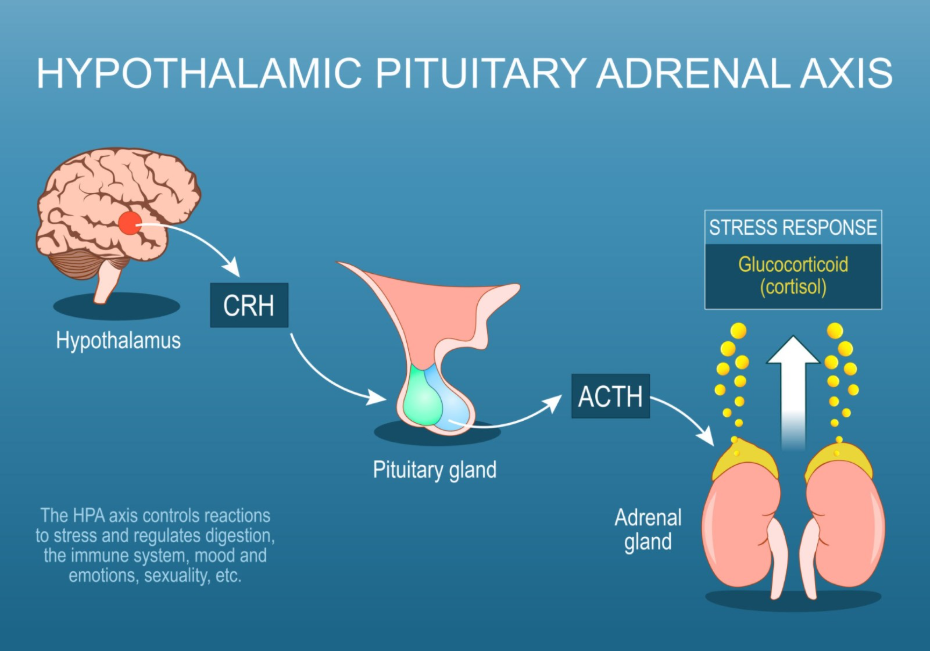
Sharing your health status with trusted individuals can improve your biological resilience by lowering cortisol levels and providing a social buffer against the physiological impact of chronic stress. In the United Kingdom, clinical research focuses on how positive interpersonal connections help regulate the autonomic nervous system, which is often overactive in anxiety or suppressed in depression. The NHS states that talking to someone you trust about how you feel can be the first step toward feeling better.
When you have a supportive social environment, your brain is better equipped to manage emotional regulation via the prefrontal cortex. In the UK, this professional framework provides a stable foundation for the health journey by identifying that social interaction is a biological necessity. By utilised these integrated pathways, the healthcare system ensures that every person’s profile is supported through evidence-based understanding. This coordinated effort prioritises the safety of the individual within a validated medical environment.
Preparing for the Conversation and Setting
Preparing for the conversation involves identifying what you hope to achieve by sharing and selecting a quiet, private setting where you will not be interrupted or rushed. In the United Kingdom, healthcare professionals suggest that individuals think about how much information they are comfortable disclosing before the meeting takes place. NICE clinical guidelines for common mental health problems indicate that involving a support network can improve the consistency of long-term health outcomes.
| Preparation Factor | Clinical Consideration | Functional Goal |
| Timing | Choose a period when stress levels are low. | Ensure the brain is ready for complex communication. |
| Location | Use a familiar, quiet, and private space. | Reduce the risk of autonomic nervous system arousal. |
| Content | Focus on symptoms and their impact on life. | Provide a factual basis for understanding. |
| Support Goals | Decide if you need practical or emotional help. | Clearly define the role of the support person. |
| Materials | Consider using verified NHS leaflets or guides. | Supplement the talk with accurate medical data. |
In the UK, these preparations are managed as part of a person-centred approach to health. Identifying that the nervous system may be sensitive during this talk helps individuals choose strategies that maintain their calm. This professional oversight is essential for providing a safe and accurate environment for disclosure. By building a robust evidence base through clinical review, the healthcare system provides a secure environment for long-term health.
Describing Symptoms and Impact Factually
Describing your experience using factual, non-alarmist language helps others understand that depression and anxiety are biological health conditions rather than simple fluctuations in mood. In the United Kingdom, specialists recommend explaining how symptoms like persistent fatigue, racing thoughts, or sleep disruption interfere with your ability to participate in social or professional activities. The GOV.UK health pages provide clinical profiles indicating that the monitoring of social and cognitive challenges is a priority for ensuring integrated support.
Instead of saying you feel “sad,” you might describe the “leaden” physical heaviness and lack of energy associated with the condition. In the UK, the focus is on providing a stable foundation where the individual’s environment is reviewed alongside their metabolic health. Identifying these underlying drivers allows for more targeted help that addresses the actual biological cause of distress. By utilised these professional frameworks, the UK system provides a life-long framework of support that adapts to the person’s needs. This approach ensures that the person’s unique way of functioning is respected within their home and community.
Managing Reactions and Providing Information
Managing the reactions of others involves acknowledging that friends or family may feel worried or unsure of how to help and providing them with verified information to improve their understanding. In the United Kingdom, healthcare professionals focus on educating the support network to ensure that their interactions promote the individual’s recovery rather than increasing their stress levels.
Common reactions identified in the UK include:
- Desire to Fix: A person may offer unsolicited advice or try to solve the problem quickly.
- Worry: They may feel anxious about your safety or the future of the relationship.
- Confusion: They might struggle to understand why you cannot simply “snap out of it”.
- Supportiveness: They may ask directly what practical things they can do to assist you.
- Avoidance: Some individuals may struggle to discuss health and might withdraw temporarily.
- Empathy: They may listen and validate your biological and emotional experience.
In the UK, identifying these indicators early is vital for preventing the functional decline that often accompanies social withdrawal. The integrated support framework encourages a strengths-based approach, focusing on what the individual needs to remain healthy. By utilised these professional frameworks, the healthcare system provides a secure environment for building professional and personal confidence. These strategies aim to work with the individual’s biology to restore a sense of calm.
Accessing Integrated NHS Support for Families
The pathway for involving families in mental health care in the United Kingdom is a coordinated process involving GPs and specialist services such as family intervention teams. This journey ensures that every individual receives a thorough review of their history and current environment to build a bespoke communication plan.
The UK integrated support pathway involves:
- Initial GP Consultation: Discussing social support needs to facilitate a multidisciplinary review.
- Family Intervention: Accessing specialist support to help family members understand the condition.
- Social Prescribing: Connecting with community groups to build wider social connections.
- Talking Therapies: Utilising CBT sessions to practice communication and assertiveness skills.
- Integrated Care Planning: Co-ordinating support between the health service and the household.
- Regular Monitoring: Scheduled reviews to ensure that the support network is functioning effectively.
In the UK, the focus is on providing a stable foundation for the individual to move forward with self-understanding. The NHS ensures that adults and children have a consistent point of contact for their health needs while they navigate their lives. This integrated approach ensures that the person’s unique way of functioning is respected within their home and social environment. By utilised these integrated pathways, the healthcare system provides a secure environment for building long-term mental wellbeing across the UK population.
Conclusion
Telling friends or family about depression or anxiety is an important step in building a biological and emotional support system within the United Kingdom’s healthcare framework. The NHS and professional bodies provide a robust system of multidisciplinary assessments and information to help individuals manage these conversations safely. By focusing on both the biological roots of symptoms and the need for supportive environments, the system promotes the highest possible level of independence. Following a coordinated management plan with the help of medical and psychological experts ensures that unique adult and paediatric needs are addressed holistically.
What if they don’t believe that I am unwell?
Provide them with factual NHS information that explains the biological nature of your condition and how it affects your body.
How much information should I share? Y
ou only need to share what you are comfortable with; focusing on how symptoms affect your daily routines is often helpful.
What if I don’t have a close family to tell?
The NHS provides many other support systems, including peer support groups and social prescribing, to help you build a community.
Can a friend come with me to see my GP?
Yes; in the UK, you are welcome to bring a supportive friend or family member to your appointments to help you.
Should I tell my boss about my mental health?
While this is a personal choice, sharing with your employer can allow them to implement reasonable adjustments to support you at work.
Why do I feel guilty for telling people?
Feelings of guilt are common in depression and anxiety but remember that seeking support is a proactive step for your health.
Who should I talk to first if I am struggling to communicate?
The first point of contact in the United Kingdom is usually your GP to discuss your health and explore support options.
Authority Snapshot (E-E-A-T)
This article provides medically factual health education regarding sharing mental health status, strictly aligned with NHS and NICE clinical guidelines. The content is developed by a professional medical writing team and reviewed by Dr. Stefan Petrov, a UK-trained physician with experience in multiple clinical specialties including emergency care, surgery, and medical education. All information follows current UK public health protocols to ensure clinical accuracy and patient safety.



