




Support systems are essential for mental health recovery because they provide a multidisciplinary framework of professional clinical expertise, social connection, and community resources that help regulate the body’s stress response and promote long-term functional stability. In the United Kingdom, the healthcare system prioritises integrated care models that involve GPs, specialist mental health teams, and community organisations to ensure that individuals receive comprehensive support.
What We’ll Discuss in This Article
- The role of professional clinical teams in biological and psychological stability.
- How social support networks influence emotional regulation and resilience.
- The importance of community-based resources and social prescribing.
- Identifying the functional impact of peer support on recovery outcomes.
- The contribution of workplace and educational adjustments to health.
- Accessing integrated NHS support pathways for a coordinated recovery.
Professional Clinical Support Systems
Professional clinical support systems provide the foundational medical and psychological expertise required to achieve biological stability and develop evidence-based coping strategies for managing mental health conditions. In the United Kingdom, this support is usually coordinated by a GP or a specialist mental health team through the NHS. The NHS states that mental health professionals can help you understand your symptoms and provide talking therapies or medication if needed.
Clinical teams utilise standardised assessments to monitor progress and adjust management plans as an individual’s needs evolve. In the UK, this professional framework provides a stable foundation for the health journey by identifying that recovery is a biological and psychological process. By utilised these integrated pathways, the healthcare system ensures that every person’s profile is supported through validated medical evidence. This coordinated effort prioritises the safety of the individual within a structured clinical environment.
Social Support and Emotional Regulation
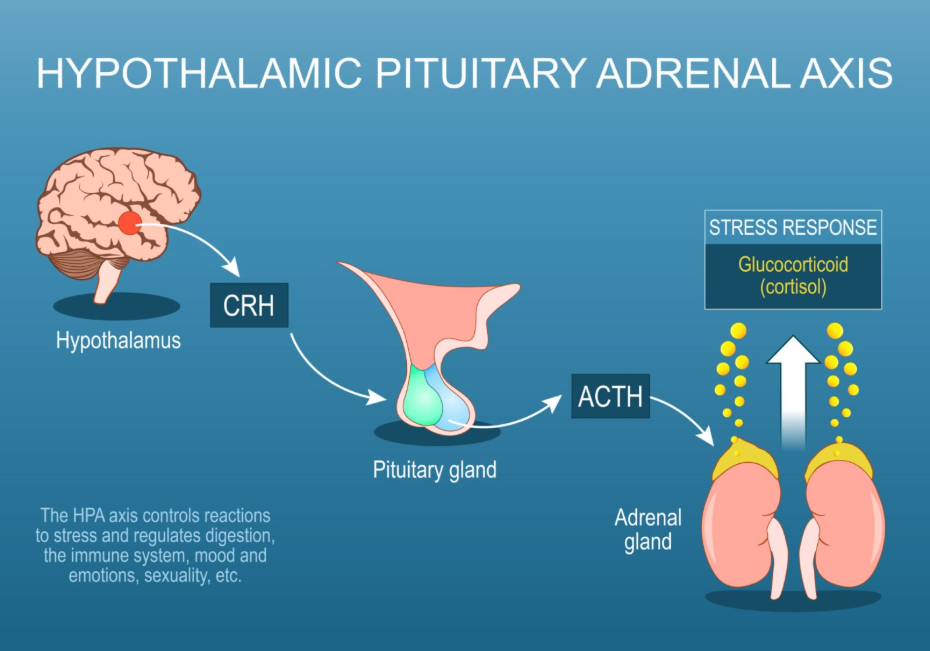
Social support systems, including family, friends, and carers, are vital for recovery because healthy interpersonal connections help regulate the autonomic nervous system and reduce the physiological impact of chronic stress. In the United Kingdom, healthcare professionals identify that a supportive social environment acts as a biological buffer, protecting the brain from the harmful effects of prolonged cortisol release. NICE clinical guidelines for common mental health problems indicate that social support should be considered a key factor in promoting functional recovery.
| Type of Social Support | Role in Recovery | Functional Consideration |
| Family and Carers | Daily emotional support and practical help. | Consistency in the home environment. |
| Friends and Peers | Social inclusion and shared experiences. | Reducing isolation and building confidence. |
| Support Groups | Validating experiences with others. | Learning collective coping strategies. |
| Mentors | Guidance on specific recovery goals. | Professional or personal skill building. |
| Online Communities | Accessible information and connection. | Ensuring use of verified health platforms. |
In the UK, these social interactions are managed alongside clinical care to ensure the person’s unique way of functioning is respected. Identifying that social isolation is a biological stressor helps the multidisciplinary team suggest strategies for reconnecting with others safely. This professional oversight is essential for providing a safe and accurate understanding of the individual’s functional capability. By building a robust evidence base through social interaction, the healthcare system provides a secure environment for long-term health.
Community Resources and Social Prescribing
Community support systems in the United Kingdom provide practical resources and activities that help individuals restore their sense of purpose and participation in daily life outside of a clinical setting. Social prescribing is an integrated NHS service that connects people with local community groups, such as gardening clubs, arts programmes, or volunteering opportunities, to improve their overall wellbeing.
Addressing factors such as housing, debt, or loneliness through community resources can significantly lower the biological stress on an individual’s nervous system. In the UK, the focus is on a person-centred approach where the individual’s unique life circumstances are reviewed by a “link worker” within the primary care network. Identifying these indicators early is vital for preventing the functional decline that often accompanies chronic health challenges. By utilised these professional frameworks, the UK system provides a life-long framework of support that adapts to the person’s needs.
Peer Support and Shared Experience
Peer support systems involve individuals with lived experience of mental health conditions providing mutual support to others, which helps reduce self-stigma and fosters a sense of hope and belonging during the recovery process. In the United Kingdom, peer support is increasingly integrated into NHS mental health trusts and community charities to complement professional clinical care.
Common markers of effective peer support identified in the UK include:
- Shared Understanding: Feeling heard by someone who has navigated similar biological and social challenges.
- Empowerment: Building confidence by seeing others achieve functional stability and recovery.
- Reciprocity: The mutual benefit of giving and receiving support within a safe group environment.
- Non-judgmental Space: Discussing symptoms and management without fear of clinical evaluation.
- Practical Advice: Learning “day to day” tips for managing sleep, nutrition, and stress from others.
- Community Connection: Developing a social network based on shared resilience and health goals.
In the UK, identifying these indicators early is vital for building professional and personal confidence. The integrated support framework encourages a strengths-based approach, focusing on what the individual needs to remain healthy within their social context. These strategies aim to work with the individual’s biology to restore a sense of calm. This integrated approach ensures that the person’s unique way of functioning is respected within their community.
Workplace and Educational Support Systems
Workplace and educational support systems are essential for maintaining professional or academic stability, which is a major component of functional health and long-term recovery in the United Kingdom. Healthcare professionals focus on “reasonable adjustments” to help individuals stay in work or school while they manage their mental health. The GOV.UK health pages provide clinical profiles indicating that the monitoring of social and cognitive challenges is a priority for ensuring integrated support.
Adjustments may include flexible working hours, a quiet workspace, or changes to deadlines and responsibilities. In the UK, the focus is on providing a stable foundation where the individual’s environment is reviewed by occupational health specialists alongside their clinical team. Identifying these underlying drivers allows for more targeted help that addresses the actual biological cause of distress. By utilised these professional frameworks, the UK system ensures that the person’s unique way of functioning is respected within their professional environment.
Accessing Integrated NHS Support Pathways
The pathway for accessing and coordinating these support systems in the United Kingdom is a process managed through primary care and specialist mental health services. This journey ensures that every individual receives a thorough review of their history and current environment to build a bespoke recovery plan.
The UK integrated support pathway involves:
- GP Consultation: Discussing health needs to facilitate a multidisciplinary clinical review.
- Link Worker Referral: Accessing social prescribing services for community based support.
- Care Planning: Co-ordinating between the GP, specialist teams, and social services.
- Integrated Support: Ensuring that clinical care, social support, and workplace needs are aligned.
- Regular Monitoring: Scheduled reviews to ensure that all support systems remain effective and safe.
In the UK, the focus is on providing a stable foundation for the individual to move forward with self-understanding. The NHS ensures that adults and children have a consistent point of contact for their health needs while they navigate their lives. By utilised these integrated pathways, the healthcare system provides a secure environment for building long-term mental wellbeing across the UK population. These strategies aim to work with the individual’s biology to restore a sense of calm and purpose.
Conclusion
A comprehensive framework of professional, social, and community support systems is essential for successful mental health recovery within the United Kingdom’s healthcare system. The NHS and professional bodies provide a robust system of multidisciplinary assessments to help individuals identify and access the most appropriate support for their needs. By focusing on both the biological roots of symptoms and the need for supportive environments, the system promotes the highest possible level of independence. Following a coordinated management plan with the help of medical and psychological experts ensures that unique adult and paediatric needs are addressed holistically.
What is “social prescribing” in the UK?
It is an NHS service that connects you to local community groups and activities to help improve your health and wellbeing.
Do I have to pay for a mental health support group?
Many support groups in the UK are free and are provided by the NHS, local councils, or national charities.
Can my GP help with my housing or money worries?
While they cannot solve these issues directly, they can refer you to a link worker or advisor who can help you access practical support.
What are “reasonable adjustments” at work?
These are changes your employer can make to your job or workspace to help you stay in work while managing your health.
How can I find a peer support group?
You can ask your GP, care coordinator, or search on the websites of major UK mental health charities for local groups.
Why is social support important for my brain?
Positive social interactions help lower your stress hormones and release chemicals that improve your mood and emotional stability.
Who should I talk to first to coordinate my support?
The first point of contact in the United Kingdom is usually your GP to discuss your health and explore various support pathways.
Authority Snapshot (E-E-A-T)
This article provides medically factual health education regarding support systems for recovery, strictly aligned with NHS and NICE clinical guidelines. The content is developed by a professional medical writing team and reviewed by Dr. Stefan Petrov, a UK-trained physician with experience in multiple clinical specialties including emergency care, general surgery, and medical education. All information follows current UK public health protocols to ensure clinical accuracy and patient safety.



