




Managing relapse or recurrent episodes of mental illness involves identifying early warning signs and implementing a coordinated stay-well plan that utilises both clinical interventions and lifestyle modifications to restore biological stability. In the United Kingdom, healthcare professionals focus on proactive management to reduce the severity and duration of recurrent symptoms. By utilising integrated NHS pathways, individuals can access multidisciplinary support to maintain their long-term functional independence and emotional health.
What We’ll Discuss in This Article
- The biological nature of relapse and recurrence in mental health.
- Identifying personalised early warning signs and clinical triggers.
- The role of stay-well plans and advance statements in the UK.
- How to manage medication and psychological therapy during a recurrence.
- The impact of lifestyle stability on preventing future episodes.
- Accessing integrated NHS support and crisis services when needed.
The Biological Nature of Relapse and Recurrence
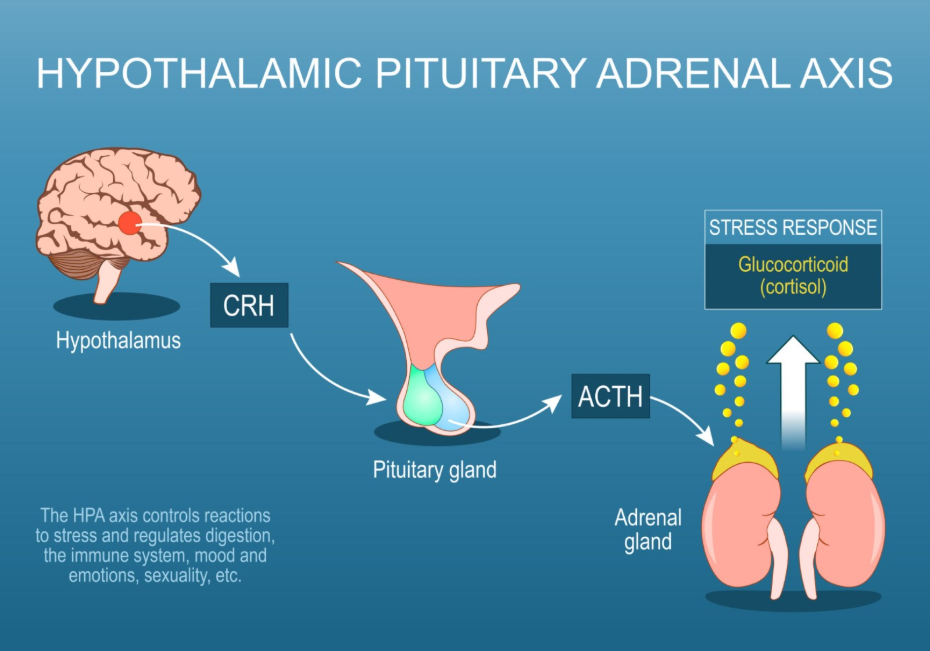
Relapse occurs when the brain’s chemical messengers or stress regulation systems become dysregulated again after a period of stability, often due to biological vulnerabilities or environmental pressures. In the United Kingdom, clinical research focuses on how the nervous system can be sensitised by previous episodes, making it more reactive to new stressors. The NHS states that a relapse is when the symptoms of a mental health condition return after a period of improvement or recovery.
When the body’s autonomic nervous system remains in a state of high alert for too long, it can deplete the neurochemical resources required to maintain a balanced mood or clear perception. In the UK, this professional framework provides a stable foundation for the health journey by identifying that recurrence is a biological reality rather than a personal failure. By utilised these integrated pathways, the healthcare system ensures that every person’s profile is supported through evidence-based understanding. This coordinated effort prioritises the safety of the individual within a validated medical environment.
Identifying Early Warning Signs and Triggers
Identifying early warning signs involves noticing subtle changes in your thoughts, feelings, or physical sensations that suggest the nervous system is beginning to struggle before a full episode develops. In the United Kingdom, healthcare professionals encourage individuals to document these “signature” signs as part of a formal relapse prevention plan. NICE clinical guidelines for common mental health problems indicate that identifying early warning signs is a vital component of long-term functional recovery.
| Category of Change | Common Early Warning Signs | Functional Consideration |
| Physical State | Changes in sleep patterns or appetite. | Reduced biological recovery and energy. |
| Cognitive Focus | Increased “brain fog” or racing thoughts. | Difficulty managing complex daily tasks. |
| Social Behaviour | Withdrawing from friends or social groups. | Loss of established community support. |
| Emotional Tone | Feeling “on edge” or persistent low mood. | Heightened sensitivity to minor stressors. |
| Perception | Increased sensitivity to noise or light. | Possible early marker of perceptual shifts. |
In the UK, these indicators are reviewed by multidisciplinary teams to help adjust management strategies early. Identifying that restlessness or muscle tension is a biological response to an emerging episode helps the team select the most effective intervention. This professional oversight is essential for providing a safe and accurate understanding of the individual’s functional capability. By building a robust evidence base through clinical review, the healthcare system provides a secure environment for long-term health.
The Role of Stay-Well Plans and Advance Statements
Stay-well plans are structured documents created in the United Kingdom that outline exactly what an individual needs to stay healthy and what actions should be taken if symptoms return. These plans often include an “advance statement,” which records the person’s preferences for care and management should they become too unwell to express them clearly. The GOV.UK health pages provide clinical profiles indicating that the monitoring of social and cognitive challenges is a priority for ensuring integrated support.
A stay-well plan typically lists contact details for the clinical team, specific triggers to avoid, and the coping strategies that have been effective in the past. In the UK, the focus is on providing a stable foundation where the individual’s environment is reviewed alongside their metabolic health. Identifying these underlying drivers allows for more targeted help that addresses the actual biological cause of distress. By utilised these professional frameworks, the UK system provides a life-long framework of support that adapts to the person’s needs. This approach ensures that the person’s unique way of functioning is respected within their home and work environment.
Managing Treatment During a Recurrence
Managing treatment during a recurrence in the United Kingdom involves a careful review of current medication and psychological therapies to ensure they are still meeting the person’s biological and emotional needs. Clinicians may suggest a “step up” in support, which could involve more frequent therapy sessions or a review of pharmacological management to restore neurochemical balance.
Common management steps identified in the UK include:
- Medication Review: Assessing the dose or type of medication to ensure optimal biological stability.
- Talking Therapy Refresh: Utilising “top-up” sessions of CBT to reinforce previously learned coping skills.
- Physical Health Check: Ruling out non-psychological causes for new symptoms through blood tests.
- Social Support Review: Evaluating housing, financial, or workplace stressors that may be contributing.
- Crisis Team Engagement: Accessing intensive community support for acute episodes to prevent hospitalisation.
- Side Effect Monitoring: Checking for physical changes that might affect the person’s willingness to continue care.
In the UK, identifying these needs early is vital for preventing the functional decline that can accompany untreated recurrence. The integrated support framework encourages a strengths-based approach, focusing on what the individual needs to remain healthy. By utilised these professional frameworks, the healthcare system provides a secure environment for building professional and personal confidence. These strategies aim to work with the individual’s biology to restore a sense of calm.
Accessing Integrated NHS Support Pathways
The pathway for managing relapse in the United Kingdom is a coordinated process involving primary care and specialist mental health services through the Care Programme Approach. This journey ensures that every individual receives a thorough review of their history and current environment to build a bespoke management plan for their recovery.
The UK integrated support pathway involves:
- Initial Consultation: Discussing emerging symptoms with a GP or your named care coordinator.
- Stay-well Review: Activating the pre-agreed steps in your relapse prevention plan.
- Specialist Assessment: Meeting with a psychiatrist or multidisciplinary team for a formal health review.
- Integrated Care Planning: Co-ordinating support between the health service, family, and workplace.
- Regular Monitoring: Scheduled follow-ups to ensure the recurrence is resolving and stability is restored.
In the UK, the focus is on providing a stable foundation for the individual to move forward with self-understanding. The NHS ensures that adults and children have a consistent point of contact for their health needs while they navigate their lives. This integrated approach ensures that the person’s unique way of functioning is respected within their home and work environment. By utilised these integrated pathways, the healthcare system provides a secure environment for building long-term mental wellbeing across the UK population.
Conclusion
Managing relapse and recurrent mental illness is a structured process in the United Kingdom that relies on early identification and a coordinated multidisciplinary response. The NHS and professional bodies provide a robust system of stay-well plans and specialist services to help individuals maintain their stability and functional independence. By focusing on both the biological roots of symptoms and the need for supportive environments, the system promotes the highest possible level of independence. Following a coordinated management plan with the help of medical and psychological experts ensures that unique adult and paediatric needs are addressed holistically.
Does a relapse mean my previous treatment failed?
No; recurrence is a common feature of many long-term conditions and often simply requires a temporary adjustment in your management plan.
What is an “advance statement” in the UK?
It is a document where you record your preferences for care and management to guide clinicians if you become too unwell to speak for yourself.
How can I tell if I am having a relapse or just a bad day?
A relapse usually involves symptoms that are persistent, worsening, and significantly interfering with your daily life for more than a few days.
Will I have to go back into hospital if I relapse?
Most recurrences in the UK are managed in the community with the support of your GP, care coordinator, or crisis resolution team.
Can lifestyle changes prevent all relapses?
While healthy habits provide a stable biological foundation, they are usually used alongside other clinical support to provide the best protection.
What should I do if I notice my early warning signs?
You should follow the steps in your stay-well plan and contact your GP or care coordinator as soon as possible for a review.
Who should I talk to first if I am worried?
The first point of contact in the United Kingdom is usually your GP or your mental health care coordinator if you have one.
Authority Snapshot (E-E-A-T)
This article provides medically factual health education regarding relapse management, strictly aligned with NHS and NICE clinical guidelines. The content is developed by a professional medical writing team and reviewed by Dr. Stefan Petrov, a UK-trained physician with experience in multiple clinical specialties including emergency care, surgery, and medical education. All information follows current UK public health protocols to ensure clinical accuracy and patient safety.



