




Common symptoms of anxiety involve a wide range of physical sensations and psychological experiences that occur when the body’s natural stress response becomes overactive or persistent. In the United Kingdom, the NHS recognises that while anxiety is a normal human emotion, its symptoms can become a health concern when they are difficult to control and interfere with daily life. By identifying the various ways anxiety manifests, from muscle tension to intrusive worries, individuals can better understand their health and access appropriate support pathways. Integrated clinical management in the UK focuses on acknowledging the biological basis of these symptoms to provide safe and effective interventions. This professional framework ensures that patients receive factual information and evidence-based care tailored to their specific needs. Understanding these indicators is a vital step toward achieving long-term functional stability and emotional wellbeing within the UK healthcare system.
What We’ll Discuss in This Article
- The biological drivers of physical anxiety symptoms.
- Identifying psychological and cognitive indicators of unease.
- How anxiety influences sleep and energy levels.
- The impact of the stress response on the digestive system.
- Distinguishing between temporary nervousness and persistent health conditions.
- Accessing integrated NHS support for symptom management.
Physical Symptoms of the Stress Response
Physical symptoms of anxiety are primarily caused by the autonomic nervous system releasing hormones like adrenaline to prepare the body for a perceived threat. In the United Kingdom, healthcare professionals explain that these sensations are part of the “fight or flight” response, which is a survival mechanism that can be triggered even when no physical danger is present. The NHS states that anxiety can cause physical symptoms such as a fast heartbeat, palpitations, feeling sick, or chest pain.
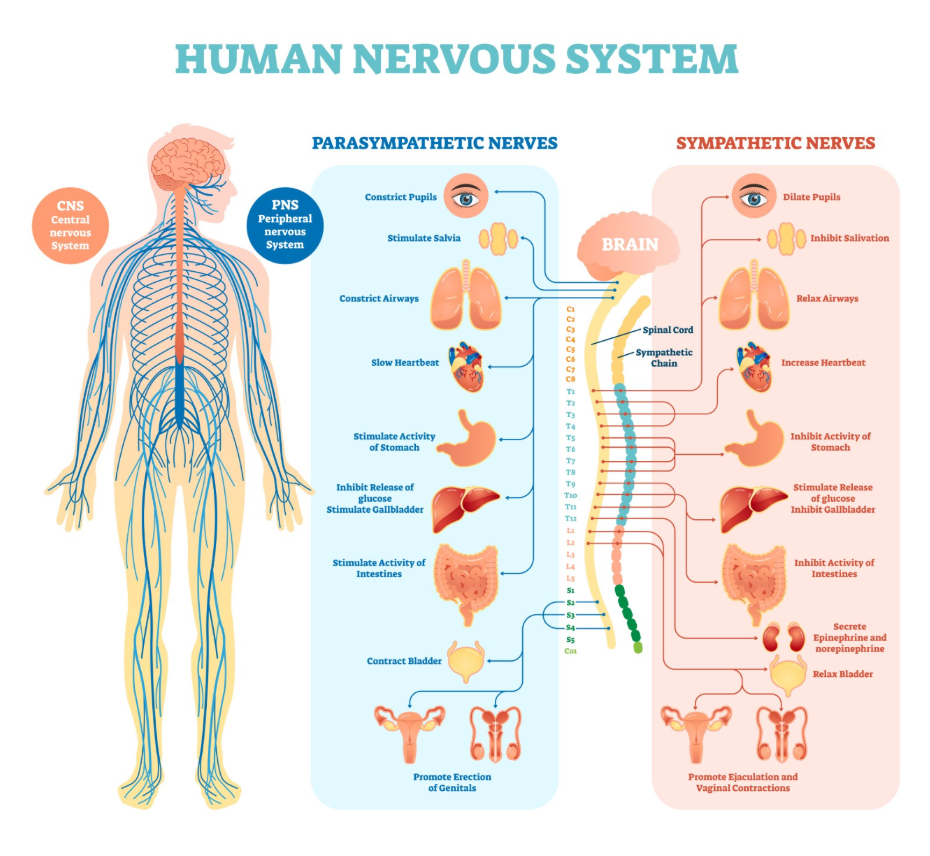
When this system is activated, the heart rate increases to pump more blood to the muscles, often resulting in a racing heart or palpitations. Individuals may also experience rapid breathing or a feeling of shortness of breath as the body attempts to take in more oxygen. In the UK, this professional framework provides a stable foundation for the health journey by identifying that these sensations are biological realities rather than signs of a physical emergency. By utilised these integrated pathways, the healthcare system ensures that every person’s profile is supported through evidence-based understanding. This coordinated effort between primary care and specialists provides a secure environment for building physical resilience.
Psychological and Cognitive Indicators
Psychological symptoms of anxiety involve persistent thought patterns and emotional states that can influence how an individual perceives themselves and the world around them. In the United Kingdom, clinical frameworks focus on identifying markers such as rumination, where a person repeatedly thinks about a specific worry, or a general sense of dread that is out of proportion to the actual situation. NICE clinical guidelines for common mental health problems indicate that a thorough assessment should identify the psychological impact of anxiety on daily functioning.
| Cognitive Domain | Common Anxiety Indicator | Functional Impact |
| Thought Patterns | Constant worrying or catastrophic thinking. | Difficulty focusing on work or hobbies. |
| Emotional State | Feeling on edge, irritable, or restless. | Strained interpersonal relationships. |
| Attention | Mind going blank or poor concentration. | Reduced academic or professional performance. |
| Perception | Heightened alertness to potential threats. | Feeling constantly exhausted or “on guard”. |
In the UK, these challenges are managed through integrated care plans that prioritise a person-centred approach. Identifying that irritability is a biological symptom of a taxed nervous system can help individuals manage their social interactions more effectively. This professional oversight is essential for providing a safe and accurate understanding of the individual’s functional capability. By building a robust evidence base through clinical review, the multidisciplinary team can provide more effective strategies for long-term emotional stability.
Impact on Sleep and Energy
Anxiety significantly influences sleep patterns by keeping the brain in a state of hyper-arousal, which makes it difficult to fall asleep or maintain a restful state throughout the night. In the United Kingdom, healthcare professionals recognise that chronic sleep disruption is both a symptom of anxiety and a factor that can worsen the condition. The GOV.UK health pages provide clinical profiles indicating that the monitoring of cognitive and physical challenges like insomnia is a priority for ensuring integrated support.
When the mind is racing with future-oriented worries, the prefrontal cortex struggles to enter the relaxed state required for sleep onset. This often leads to a cycle of fatigue during the day, which reduces the individual’s ability to regulate their emotions, thereby increasing anxiety. In the UK, the focus is on providing a stable foundation where sleep hygiene and relaxation techniques are used to support the body’s natural clock. Identifying these underlying drivers allows for more targeted help that addresses the biological cause of exhaustion. By utilised these professional frameworks, the UK system provides a life-long framework of support that adapts to the person’s needs.
Digestive and Muscular Manifestations
The relationship between the brain and the gut means that anxiety frequently manifests as digestive issues, alongside persistent muscle tension caused by the body’s readiness for action. In the United Kingdom, specialists often identify “butterflies” in the stomach, nausea, or changes in bowel habits as common indicators of a heightened stress response.
Muscular symptoms often include:
- Tension Headaches: Caused by the constant tightening of muscles in the neck and shoulders.
- Trembling or Shaking: A direct result of increased adrenaline levels in the bloodstream.
- Chest Tightness: Often caused by the tension of the intercostal muscles used for breathing.
- Aching Limbs: The result of muscles remaining in a state of contraction for long periods.
- Jaw Clenching: Frequently occurring during sleep or high-stress activities, leading to discomfort.
In the UK, identifying these indicators early is vital for preventing the physical exhaustion that can accompany long-term anxiety. The integrated support framework encourages a strengths-based approach, focusing on what the individual needs to remain healthy. By utilised these professional frameworks, the healthcare system provides a secure environment for building professional and personal confidence. These strategies aim to work with the individual’s biology to restore a sense of physical calm.
Accessing Integrated NHS Support Pathways
The pathway for managing the symptoms of anxiety in the United Kingdom is a coordinated process involving GPs and mental health specialists through services like NHS Talking Therapies. This journey ensures that every individual receives a thorough review of their history and current environment to build a bespoke management plan.
The UK integrated support pathway involves:
- Initial GP Consultation: Discussing physical and psychological symptoms to rule out other medical causes.
- Symptom Review: Undergoing a formal clinical assessment to determine the severity and duration of the anxiety.
- Talking Therapies: Accessing evidence-based support such as Cognitive Behavioural Therapy to manage thought patterns.
- Integrated Care Planning: Co-ordinating support between the health service, the family, and the workplace.
- Regular Monitoring: Scheduled reviews to ensure that management strategies remain effective and safe over time.
In the UK, the focus is on providing a stable foundation for the individual to move forward with self-understanding. The NHS ensures that adults and children have a consistent point of contact for their health needs while they navigate their lives. This integrated approach ensures that the person’s unique way of functioning is respected within their home and work environment. By utilised these integrated pathways, the healthcare system provides a secure environment for building long-term mental wellbeing.
Conclusion
Common symptoms of anxiety are varied and encompass both physical and psychological indicators within the United Kingdom’s healthcare framework. The NHS and professional bodies provide a robust system of multidisciplinary assessments and evidence-based therapies to help individuals manage their symptoms effectively. By focusing on both the biological drivers of the stress response and the need for supportive environments, the system promotes the highest possible level of independence. Following a coordinated management plan with the help of medical and psychological experts ensures that unique adult and paediatric needs are addressed holistically.
Why does anxiety make me feel physically sick?
The stress response diverts blood away from the digestive system to the muscles, which can cause nausea or stomach discomfort.
Is it normal to feel dizzy with anxiety?
Yes; rapid breathing (hyperventilation) or changes in blood flow during a stress response can lead to light-headedness or dizziness.
Can anxiety symptoms mimic a heart attack?
Palpitations and chest tightness are common in anxiety, but in the UK, any sudden or severe chest pain should be medically reviewed immediately.
Why do I feel more anxious in the morning?
Cortisol levels naturally peak in the morning to help you wake up, which can intensify feelings of unease in those with anxiety.
How long do anxiety symptoms typically last?
A temporary stress response lasts minutes to hours, but clinical anxiety involves symptoms that persist for several weeks or months.
Can I manage my symptoms without medication?
Many people in the UK successfully manage anxiety through talking therapies, relaxation techniques, and lifestyle adjustments.
Who should I talk to first if I am worried about my symptoms?
The first point of contact in the United Kingdom is usually your GP to discuss your health and explore support options.
Authority Snapshot (E-E-A-T)
This article provides medically factual health education regarding the symptoms of anxiety, strictly aligned with NHS and NICE clinical guidelines. The content is developed by a professional medical writing team and reviewed by Dr. Rebecca Fernandez, a UK-trained physician with experience in multiple clinical specialties including cardiology, emergency medicine, and psychiatry. All information follows current UK public health protocols to ensure clinical accuracy and patient safety.



