




Common symptoms of depression involve a persistent low mood and a loss of interest in activities, accompanied by various physical and psychological changes that last for at least two weeks. In the United Kingdom, healthcare professionals utilise these indicators to distinguish clinical depression from temporary feelings of sadness or grief. By identifying symptoms such as chronic fatigue, sleep disruption, and cognitive difficulties, individuals can access integrated NHS support pathways earlier. Understanding the biological basis of these symptoms allows for a more factual, non-alarmist approach to mental health management. Integrated clinical care in the UK focuses on a multidisciplinary review of these symptoms to provide safe and effective interventions. This professional framework ensures that patients receive accurate information and evidence-based care tailored to their specific needs within the national health system.
What We’ll Discuss in This Article
- Psychological indicators of persistent low mood and loss of interest.
- Physical manifestations of depression including fatigue and sleep changes.
- Cognitive symptoms affecting concentration and decision-making skills.
- The impact of depression on social interactions and daily functioning.
- Distinguishing between temporary low mood and clinical depressive disorders.
- Accessing integrated NHS support pathways for symptom management.
Psychological Symptoms and Emotional Changes
Psychological symptoms of depression are primarily characterised by a pervasive sense of sadness or “emptiness” that does not easily lift, even when positive events occur. In the United Kingdom, the NHS identifies these emotional changes as a core component of the clinical profile, often involving a loss of pleasure in previously enjoyed hobbies, known as anhedonia. The NHS states that symptoms of depression can include lasting feelings of unhappiness and hopelessness, and losing interest in the things you used to enjoy.
Beyond sadness, individuals may experience persistent low self-esteem, feelings of guilt, or increased irritability toward others. In the UK, this professional framework provides a stable foundation for the health journey by identifying that these emotional shifts are biological realities. By utilised these integrated pathways, the healthcare system ensures that every person’s profile is supported through evidence-based understanding. This coordinated effort between primary care and specialists provides a secure environment for building emotional resilience.
Physical Symptoms and Biological Indicators
Physical symptoms of depression are common and can affect the entire body, often manifesting as unexplained aches, significant changes in appetite, or a lack of physical energy. In the United Kingdom, healthcare professionals categorise these “somatic” symptoms to ensure that the physical impact of a mental health condition is not overlooked during a clinical review. NICE clinical guidelines for depression indicate that a thorough assessment should identify physical symptoms like sleep disturbance and fatigue as part of the diagnostic process.
| Symptom Category | Common Physical Indicator | Functional Impact |
| Energy Levels | Chronic fatigue or feeling “heavy”. | Difficulty completing basic daily self-care. |
| Sleep Patterns | Insomnia or sleeping significantly more. | Reduced cognitive focus and morning grogginess. |
| Appetite | Loss of appetite or “comfort eating”. | Unintentional weight loss or weight gain. |
| Movement | Moving or speaking more slowly than usual. | Challenges in maintaining a typical work pace. |
| Physical Sensation | Unexplained muscle aches or headaches. | Increased overall distress and physical discomfort. |
In the UK, these challenges are managed through integrated care plans that prioritise a person-centred approach. Identifying that a lack of energy is a biological symptom of the condition can help individuals move away from self-blame toward proactive management. This professional oversight is essential for providing a safe and accurate understanding of the individual’s functional capability. By building a robust evidence base through clinical review, the multidisciplinary team can provide more effective strategies for long-term health.
Cognitive Symptoms and Executive Function
Cognitive symptoms of depression involve difficulties with mental processes such as concentration, memory, and the ability to make simple decisions, often described by patients as “brain fog.” In the United Kingdom, clinical frameworks focus on identifying these markers because they significantly impact an individual’s performance in the workplace and education. The GOV.UK health pages provide clinical profiles indicating that the monitoring of cognitive challenges like poor concentration is a priority for ensuring integrated support.
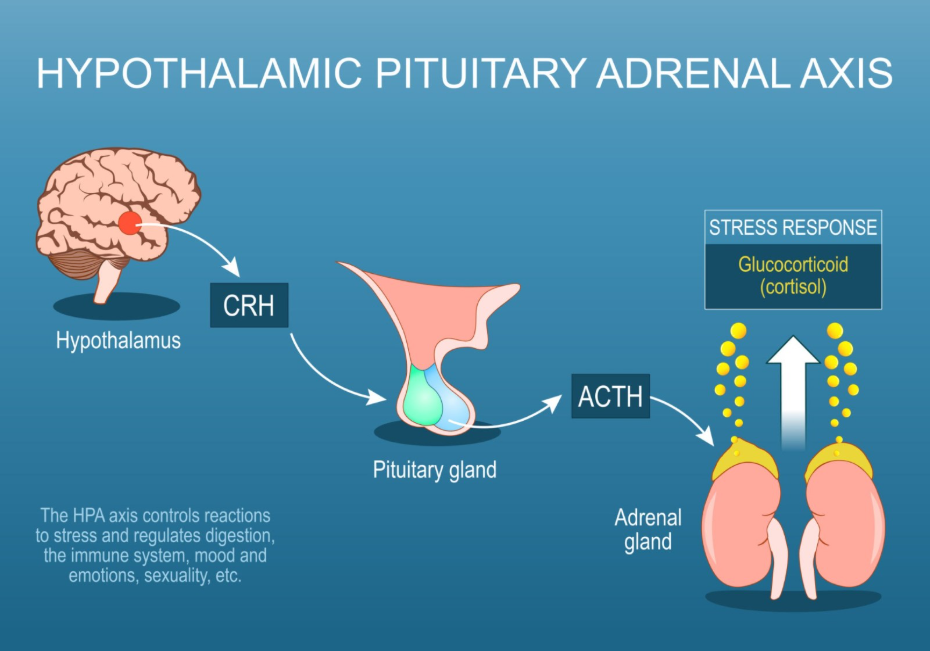
When the brain’s emotional centres are overactive, the prefrontal cortex, which handles logical planning, may become less efficient. This can lead to a state of indecisiveness where even minor choices feel overwhelming. In the UK, the focus is on providing a stable foundation where environmental adjustments and psychological tools are used to support these cognitive gaps. Identifying these underlying drivers allows for more targeted help that addresses the biological cause of mental fatigue. By utilised these professional frameworks, the UK system provides a life-long framework of support that adapts to the person’s needs.
Social Symptoms and Functional Impact
Social symptoms of depression manifest as a gradual withdrawal from interpersonal relationships and the avoidance of social events that were once meaningful. In the United Kingdom, healthcare professionals recognise that social isolation is both a symptom of the condition and a factor that can contribute to its persistence.
Common social indicators in the UK include:
- Withdrawal: Avoiding contact with friends and neglecting social invitations.
- Communication Issues: Finding it difficult to engage in conversation or maintain eye contact.
- Relationship Strain: Experiencing more conflict or less emotional connection with a partner.
- Workplace Challenges: Taking more time off work or struggling to meet professional targets.
- Neglect of Hobbies: Stopping activities that previously provided a sense of community or achievement.
In the UK, identifying these indicators early is vital for preventing the emotional withdrawal that often accompanies chronic low mood. The integrated support framework encourages a strengths-based approach, focusing on what the individual needs to remain socially connected and healthy. By utilised these professional frameworks, the healthcare system provides a secure environment for building professional and personal confidence. These strategies aim to work with the individual’s biology to restore a sense of purpose.
Accessing Integrated NHS Support Pathways
The pathway for managing the symptoms of depression in the United Kingdom is a coordinated process involving GPs and mental health specialists through services like NHS Talking Therapies. This journey ensures that every individual receives a thorough review of their history and current environment to build a bespoke management plan.
The UK integrated support pathway involves:
- Initial GP Consultation: Discussing physical and psychological symptoms to rule out other medical causes like thyroid issues.
- Symptom Review: Undergoing a formal clinical assessment to determine the severity and duration of the low mood.
- Talking Therapies: Accessing evidence-based support such as Cognitive Behavioural Therapy to manage thought patterns.
- Integrated Care Planning: Co-ordinating support between the health service, the family, and the workplace for adjustments.
- Regular Monitoring: Scheduled reviews to ensure that management strategies remain effective and safe over time.
In the UK, the focus is on providing a stable foundation for the individual to move forward with self-understanding. The NHS ensures that adults and children have a consistent point of contact for their health needs while they navigate their lives. This integrated approach ensures that the person’s unique way of functioning is respected within their home and work environment. By utilised these integrated pathways, the healthcare system provides a secure environment for building long-term mental wellbeing.
Conclusion
Common symptoms of depression are diverse, encompassing persistent emotional, physical, and cognitive changes within the United Kingdom’s healthcare framework. The NHS and professional bodies provide a robust system of multidisciplinary assessments and evidence-based therapies to help individuals manage their symptoms effectively. By focusing on both the biological drivers of low mood and the need for supportive environments, the system promotes the highest possible level of independence. Following a coordinated management plan with the help of medical and psychological experts ensures that unique adult and paediatric needs are addressed holistically.
How long must symptoms last before it is considered depression?
In the UK, symptoms must generally be present nearly every day for at least two weeks to meet the clinical criteria.
Why do I feel more tired even when I sleep more?
Depression can disrupt the quality of your sleep, meaning you may not be entering the restorative phases of the sleep cycle.
Can depression cause actual physical pain?
Yes; the condition can increase sensitivity to pain and lead to unexplained aches in the back, joints, or head.
Is “brain fog” a real symptom?
Yes; difficulty concentrating and making decisions are recognised cognitive symptoms that result from changes in brain function.
Do I have to take medication to feel better?
Not necessarily; many people in the UK manage mild to moderate symptoms through talking therapies and lifestyle adjustments.
What is anhedonia?
It is the clinical term for a loss of interest or pleasure in activities that you used to find enjoyable.
Who should I talk to first if I am worried?
The first point of contact in the United Kingdom is usually your GP to discuss your health and explore support options.
Authority Snapshot (E-E-A-T)
This article provides medically factual health education regarding the symptoms of depression, strictly aligned with NHS and NICE clinical guidelines. The content is developed by a professional medical writing team and reviewed by Dr. Rebecca Fernandez, a UK-trained physician with experience in multiple clinical specialties including cardiology, emergency medicine, and psychiatry. All information follows current UK public health protocols to ensure clinical accuracy and patient safety.



