




Treatments for depression in the United Kingdom follow a structured stepped-care model designed to provide every individual with an intervention tailored to the severity and duration of their symptoms. In the UK, common mood disorders are managed using evidence-based approaches recommended by the National Institute for Health and Care Excellence (NICE) to ensure patient safety and functional stability. Most people begin their journey with low-intensity support.
What We’ll Discuss in This Article
- The stepped-care model for managing depression in the UK.
- Low-intensity psychological interventions and guided self-help.
- High-intensity talking therapies including cognitive behavioural therapy.
- Pharmacological options for moderate to severe depressive episodes.
- The role of lifestyle adjustments in maintaining emotional regulation.
- Accessing integrated NHS support pathways for long-term health.
The Stepped-Care Model for Depression
Treatment for depression in the United Kingdom is organised into distinct steps to ensure that the least intrusive yet most effective intervention is offered first. This framework allows healthcare professionals to monitor a person’s progress and increase the intensity of support if symptoms do not improve or if the functional impact on daily life is significant. The NICE guidelines for depression in adults recommend a multidisciplinary approach that considers both the psychological and physical health of the individual.
In Step 1, the focus is on assessment and active monitoring. Step 2 introduces low-intensity treatments for less severe symptoms, while Step 3 provides high-intensity therapies or medication for moderate to severe cases. For individuals with complex or high-risk needs, Step 4 involves specialist secondary care services. This professional framework ensures that every person receives consistent care based on national quality standards. By building a robust evidence base through clinical review, the healthcare system provides a secure environment for long-term recovery.
Low-Intensity Psychological Interventions
Low-intensity interventions are often the first line of clinical support for mild depression in the United Kingdom, focusing on teaching practical skills to manage low mood and inactivity. These treatments are designed to be accessible and can often be started quickly through local NHS talking therapies services.
Common low-intensity options include:
- Guided Self-help: Working through materials based on cognitive behavioural principles with the support of a trained practitioner.
- Group-based Physical Activity: Structured exercise programmes designed to improve mood and biological resilience.
- Group-based Peer Support: Facilitated meetings with others who have similar experiences to reduce social isolation.
- Digital CBT: Utilising verified online platforms that provide interactive tasks to help challenge negative thought patterns.
- Sleep Hygiene Education: Learning techniques to regulate the body’s natural sleep-wake cycle and improve energy.
In the UK, these strategies are managed through integrated care plans that prioritise a person-centred approach. Identifying that low energy or a lack of interest is a biological response to distress helps individuals engage more effectively with these tools. This professional oversight is essential for providing a safe and accurate understanding of the individual’s functional capability. By utilised these integrated pathways, the healthcare system ensures that patients receive support without unnecessary delays.
High-Intensity Talking Therapies
High-intensity psychological interventions are provided when symptoms are more persistent or severe, involving more frequent and in-depth sessions with qualified therapists. In the United Kingdom, several evidence-based talking therapies are recommended depending on the individual’s specific needs and history. The NHS states that talking therapies like cognitive behavioural therapy (CBT) can help you manage your problems by changing the way you think and behave.
| Therapy Type | Clinical Focus | Standard Format in the UK |
| Cognitive Behavioural Therapy | Identifying and changing unhelpful thought-behaviour cycles. | 12 to 20 weekly sessions of 60 minutes. |
| Interpersonal Therapy (IPT) | Addressing relationship issues that influence mood. | Structured sessions focusing on social connection. |
| Counselling | Providing a safe space to explore difficult feelings. | Short-term support for less complex presentations. |
| Behavioural Activation | Increasing engagement in rewarding daily activities. | Practical focus on restoring functional routines. |
| Mindfulness-based CT | Learning to observe thoughts without judgment. | Group-based sessions for preventing relapse. |
In the UK, high-intensity therapies are delivered by practitioners who receive regular clinical supervision to maintain high standards of care. Identifying these underlying drivers allows for more targeted help that addresses the actual biological cause of distress. By utilised these professional frameworks, the UK system provides a life-long framework of support that adapts to the person’s needs. These strategies aim to work with the individual’s biology to restore a sense of calm and purpose.
Pharmacological Management of Depression
Medication may be offered as a treatment option for moderate to severe depression, or for mild depression that has not responded to psychological interventions. In the United Kingdom, antidepressants are used to help balance the chemical messengers in the brain, such as serotonin and norepinephrine, which are involved in mood regulation. The NHS website provides information on the types of antidepressants available, emphasising that they are usually prescribed in combination with talking therapies for the best results.
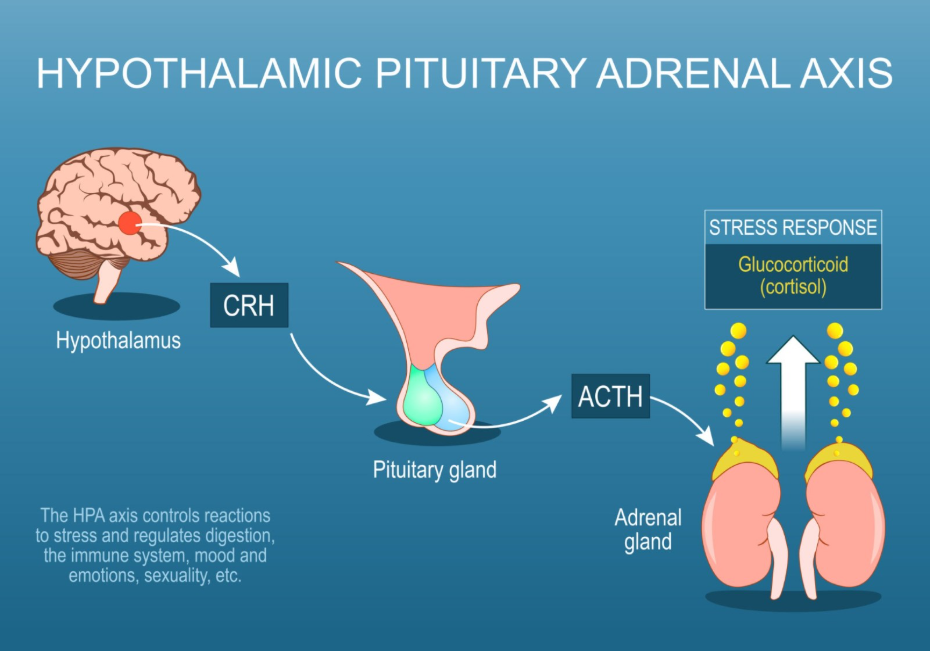
The first choice of medication is typically a selective serotonin reuptake inhibitor (SSRI), such as fluoxetine or citalopram. If these are not suitable, other classes of antidepressants may be considered by a GP or psychiatrist. It is important to note that these medications usually take several weeks to show a full clinical effect. In the UK, the focus is on providing a stable foundation where the individual’s environment is reviewed alongside their metabolic health. This approach ensures that the person’s unique way of functioning is respected within their home and work environment.
Lifestyle Adjustments and Biological Resilience
Lifestyle adjustments are vital for supporting the biological resilience of the nervous system and maintaining long-term stability after a depressive episode. In the United Kingdom, healthcare professionals focus on modifiable factors that can improve the brain’s ability to regulate mood and manage environmental stress.
Common lifestyle markers identified in the UK include:
- Regular Physical Activity: Engaging in walking or swimming to help regulate stress hormones like cortisol.
- Nutritional Balance: Eating regular meals to keep blood sugar stable and maintain energy levels.
- Consistent Sleep Patterns: Prioritising rest to support the body’s natural biological clock.
- Reducing Stimulants: Limiting caffeine and nicotine, which can interfere with sleep and increase tension.
- Social Connection: Participating in community groups to reduce isolation and improve emotional health.
- Reducing Alcohol: Avoiding depressant substances that can worsen low mood and sleep quality.
In the UK, identifying these indicators early is vital for preventing the functional decline that often accompanies chronic health challenges. The integrated support framework encourages a strengths-based approach, focusing on what the individual needs to remain healthy. By utilised these professional frameworks, the healthcare system provides a secure environment for building professional and personal confidence. These strategies aim to work with the individual’s biology to restore a sense of calm.
Accessing Integrated NHS Support Pathways
The pathway for managing depression in the United Kingdom is a coordinated process involving primary care and specialist services. This journey ensures that every individual receives a thorough review of their history and current environment to build a bespoke management plan.
The UK integrated support pathway involves:
- Self-Referral: Accessing NHS talking therapies directly online or via telephone in many areas.
- GP Consultation: Discussing physical and psychological symptoms for a clinical review.
- Physical Screening: Performing blood tests to rule out biological causes like anaemia or thyroid issues.
- Integrated Care Planning: Co-ordinating support between the health service, family, and workplace.
- Specialist Referral: Accessing community mental health teams for complex or persistent symptoms.
- Regular Monitoring: Scheduled reviews to ensure that management strategies remain effective and safe.
In the UK, the focus is on providing a stable foundation for the individual to move forward with self-understanding. The NHS ensures that adults and children have a consistent point of contact for their health needs while they navigate their lives. This integrated approach ensures that the person’s unique way of functioning is respected within their home and work environment. By utilised these integrated pathways, the healthcare system provides a secure environment for building long-term mental wellbeing across the UK population.
Conclusion
A variety of evidence-based treatments is available for depression in the United Kingdom, ranging from guided self-help to high-intensity therapies and medication. The NHS and professional bodies provide a robust system of multidisciplinary assessments to help individuals identify their specific needs and access the most appropriate support. By focusing on both the biological roots of symptoms and the need for supportive environments, the system promotes the highest possible level of independence. Following a coordinated management plan with the help of medical and psychological experts ensures that unique adult and paediatric needs are addressed holistically.
Do I have to see a GP to get therapy?
No; in many parts of England, you can refer yourself directly to an NHS talking therapies service online.
Will antidepressants change who I am?
No; these medications work by balancing brain chemicals to help reduce symptoms, not by altering your personality.
What is “guided self-help”?
It is a low-intensity treatment where you work through materials with short, regular support from a practitioner.
Why does a GP need to do blood tests?
Physical health issues like an underactive thyroid or vitamin deficiencies can cause symptoms that mimic depression.
How long do I need to stay on medication?
In the UK, it is usually recommended to continue medication for at least six months after you start feeling better to prevent relapse.
Can I get help if my depression is related to work?
Yes; the NHS and your GP can provide support and advice on reasonable adjustments for your workplace or studies.
Who should I talk to first if I am feeling low?
The first point of contact in the United Kingdom is usually your GP to discuss your health and explore support options.
Authority Snapshot (E-E-A-T)
This article provides medically factual health education regarding depression treatments, strictly aligned with NHS and NICE clinical guidelines. The content is developed by a professional medical writing team and reviewed by Dr. Stefan Petrov, a UK-trained physician with experience in multiple clinical specialties including emergency care, surgery, and medical education. All information follows current UK public health protocols to ensure clinical accuracy and patient safety.



