




Treatments for schizophrenia in the United Kingdom are delivered through a coordinated multidisciplinary approach that combines pharmacological interventions with psychological therapies and social support to promote long-term stability and functional recovery. In the UK, the healthcare system utilises evidence-based pathways recommended by the National Institute for Health and Care Excellence (NICE) to ensure every individual receives safe and effective care. Most patients are supported by specialist community mental health teams.
What We’ll Discuss in This Article
- The role of antipsychotic medication in managing biological symptoms.
- Psychological interventions including cognitive behavioural therapy for psychosis.
- The importance of family intervention and social support networks.
- Integrated NHS care pathways and the role of multidisciplinary teams.
- Managing physical health alongside mental health during treatment.
- Accessing specialist secondary care services in the United Kingdom.
Pharmacological Management of Schizophrenia
Antipsychotic medication is typically the first line of treatment for schizophrenia in the United Kingdom, as it helps to balance the neurotransmitters in the brain, particularly dopamine, which are involved in the development of psychotic symptoms. These medications are divided into two main categories: older “typical” antipsychotics and newer “atypical” antipsychotics. The NHS states that antipsychotics are usually the first treatment for schizophrenia and work by blocking the effect of the chemical dopamine on the brain.
The choice of medication depends on the individual’s symptoms and their response to previous treatments, with a focus on minimising side effects. In the UK, a clinician will regularly monitor the person’s physical health, including weight and blood sugar levels, to ensure the management remains safe and effective. If two or more antipsychotics have been tried without sufficient improvement, a specific medication called clozapine may be considered. This professional framework ensures that the biological drivers of the condition are addressed within a secure medical environment. By building a robust evidence base through clinical review, the healthcare system provides a stable foundation for recovery.
Psychological Interventions and Talking Therapies
Psychological therapies are a vital component of schizophrenia treatment in the United Kingdom and are recommended to be offered alongside medication to help individuals manage their symptoms and improve their quality of life. The primary evidence-based talking therapy utilised is Cognitive Behavioural Therapy for psychosis (CBTp). The NICE guidelines for psychosis and schizophrenia in adults recommend that CBTp should be offered to all people with the condition.
CBTp helps individuals identify the links between their thoughts, feelings, and actions and the symptoms they experience, such as hallucinations or delusions. By developing coping strategies and reality-testing techniques, patients can reduce the distress caused by their experiences. In the UK, these sessions are conducted by trained therapists within specialist mental health teams. Identifying these underlying drivers allows for more targeted help that addresses the actual biological and psychological cause of distress. These strategies aim to work with the individual’s biology to restore a sense of calm and functional stability.
Family Intervention and Social Support
Family intervention is a structured form of support offered in the United Kingdom to help the relatives of people with schizophrenia understand the condition and develop better communication and problem-solving skills. Research shows that a supportive home environment can significantly reduce the risk of relapse and improve long-term outcomes for the individual.
Common social support components in the UK include:
- Family Intervention Sessions: These are typically offered for at least three months to help family members manage the impact of the condition.
- Social Skills Training: Learning practical techniques to navigate interpersonal interactions and community life.
- Vocational Rehabilitation: Supporting individuals to return to or remain in employment or education.
- Peer Support: Connecting with others who have lived experience of schizophrenia to reduce social isolation.
- Art Therapies: Utilising creative outlets to help manage negative symptoms and improve emotional expression.
In the UK, these strategies are managed through integrated care plans that prioritise a person-centred approach. Identifying the social factors that influence wellbeing helps the multidisciplinary team provide more effective strategies for long-term health. This professional oversight is essential for providing a safe and accurate understanding of the individual’s functional capability. By utilised these integrated pathways, the healthcare system ensures that every person’s unique way of functioning is respected.
The Role of Multidisciplinary Teams
Treatment for schizophrenia in the United Kingdom is coordinated by specialist multidisciplinary teams, such as Community Mental Health Teams (CMHTs) or Early Intervention in Psychosis (EIP) services. These teams consist of various professionals, including psychiatrists, mental health nurses, social workers, and occupational therapists, who work together to provide comprehensive care. The NHS website explains that your care will usually be coordinated under a framework called the Care Programme Approach (CPA).
| Team Member | Primary Clinical Focus | Role in Recovery |
| Psychiatrist | Biological management and medication review. | Ensuring neurochemical stability and safety. |
| Care Coordinator | Day-to-day support and plan coordination. | Maintaining a consistent point of contact. |
| Nurse | Physical health monitoring and symptom management. | Supporting the individual’s daily health needs. |
| Occupational Therapist | Restoring daily living and work skills. | Promoting independence and functional goals. |
| Social Worker | Addressing housing, benefits, and social rights. | Improving the individual’s social environment. |
In the UK, the focus is on providing a stable foundation where the individual’s environment is reviewed alongside their metabolic health. This coordinated effort ensures that all aspects of a person’s life are considered during their recovery journey. By utilised these professional frameworks, the UK system provides a life-long framework of support that adapts to the person’s needs over time.
Managing Physical Health and Lifestyle
Individuals with schizophrenia in the United Kingdom are at a higher risk of physical health problems, such as cardiovascular disease or diabetes, making regular physical health monitoring a mandatory part of their care. Healthcare professionals focus on modifiable factors that can improve biological resilience and overall physical wellbeing.
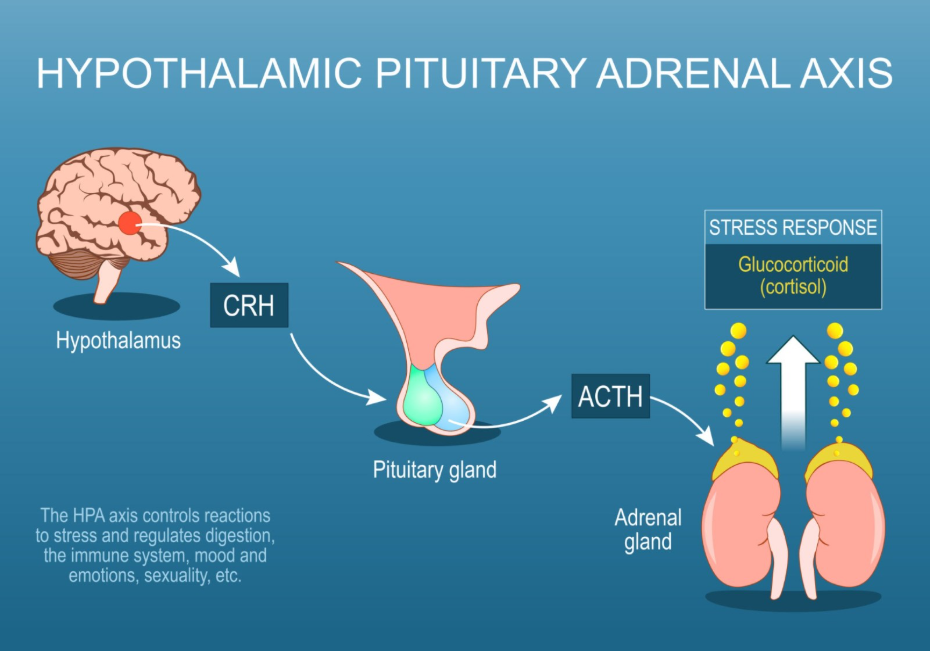
The monitoring process includes regular checks of blood pressure, weight, smoking status, and cholesterol levels. Clinicians also provide advice on healthy eating and physical activity to counter the metabolic side effects that some antipsychotic medications can cause. In the UK, identifying these indicators early is vital for preventing the functional decline that often accompanies chronic health challenges. The integrated support framework encourages a strengths-based approach, focusing on what the individual needs to remain healthy. These strategies aim to work with the individual’s biology to maintain a balanced physiological state.
Accessing Integrated NHS Support Pathways
The pathway for schizophrenia treatment in the United Kingdom begins with a referral from a GP to a specialist mental health service once initial symptoms are identified. This journey ensures that every individual receives a thorough review of their history and current environment to build a bespoke management plan.
The UK integrated support pathway involves:
- GP Consultation: Discussing perception changes or mood symptoms for a clinical referral.
- Specialist Assessment: Undergoing a formal review with a psychiatrist and multidisciplinary team.
- Physical Health Baseline: Performing blood tests and ECGs before starting specific medications.
- Integrated Care Planning: Co-ordinating support between the health service, family, and social services.
- Regular Monitoring: Scheduled reviews through the Care Programme Approach to ensure strategies remain effective.
In the UK, the focus is on providing a stable foundation for the individual to move forward with self-understanding. The NHS ensures that adults have a consistent point of contact for their health needs while they navigate their lives. By utilised these integrated pathways, the healthcare system provides a secure environment for building long-term mental wellbeing across the UK population. These strategies aim to work with the individual’s biology to restore a sense of calm and purpose.
Conclusion
Schizophrenia is managed in the United Kingdom through a combination of antipsychotic medication, talking therapies, and social support delivered by multidisciplinary teams. The NHS and professional bodies provide a robust system of clinical assessments and evidence-based interventions to help individuals achieve stability and recovery. By focusing on both the biological roots of symptoms and the need for supportive environments, the system promotes the highest possible level of independence. Following a coordinated management plan with the help of medical and psychological experts ensures that unique health needs are addressed holistically.
What is “early intervention” in the UK?
It is a specialist NHS service (EIP) designed to provide rapid support for people experiencing their first episode of psychosis.
Is clozapine different from other antipsychotics?
Yes; it is used when other medications have not worked and requires regular blood tests to monitor for specific side effects.
Can talking therapy cure schizophrenia?
Therapies like CBTp are not a “cure,” but they are highly effective at helping you manage symptoms and reduce the distress they cause.
How often will my physical health be checked?
In the UK, you should have a full physical health check at least once a year, or more frequently if you are starting new medication.
Who should I talk to first if I am worried about symptoms?
The first point of contact in the United Kingdom is usually your GP to discuss your health and explore specialist support options.
Can I refuse to take antipsychotic medication?
UK clinicians discuss the benefits and risks with you, and while you have rights, medication is usually a core part of maintaining safety and stability.
What is the Care Programme Approach (CPA)?
It is a framework in the UK used to coordinate your mental health care and ensure you have a clear plan and a named care coordinator.
Authority Snapshot (E-E-A-T)
This article provides medically factual health education regarding schizophrenia treatments, strictly aligned with NHS and NICE clinical guidelines. The content is developed by a professional medical writing team and reviewed by Dr. Stefan Petrov, a UK-trained physician with experience in multiple clinical specialties including emergency care, surgery, and mental health monitoring. All information follows current UK public health protocols to ensure clinical accuracy and patient safety.



