
A child should be assessed for cerebral palsy when they consistently fail to meet physical developmental milestones or when they exhibit unusual patterns in muscle tone, posture, and coordination. In the United Kingdom, the NHS utilises a structured system of health visitor reviews and GP consultations to monitor infant growth. Identifying these neurological signs early ensures that the multidisciplinary team can implement an integrated support plan to maximise the child’s potential.
What We’ll Discuss in This Article
- Recognising significant delays in motor milestones like sitting or crawling.
- Identifying unusual muscle tone such as persistent stiffness or floppiness.
- The significance of early hand preference and asymmetric movements.
- Monitoring infants with high-risk factors like prematurity or birth trauma.
- The role of parental observations in the UK diagnostic pathway.
- Accessing specialist NHS paediatric and therapy assessments.
Delays in Achieving Key Physical Milestones
A child should be assessed if they are not reaching physical milestones within the expected age ranges, particularly those involving core strength and independent movement. While every child develops at a slightly different pace, significant or multiple delays can be an early indicator of a neurological condition. The NHS states that a child may need an assessment if they are not sitting up by eight months or not walking by 18 months.
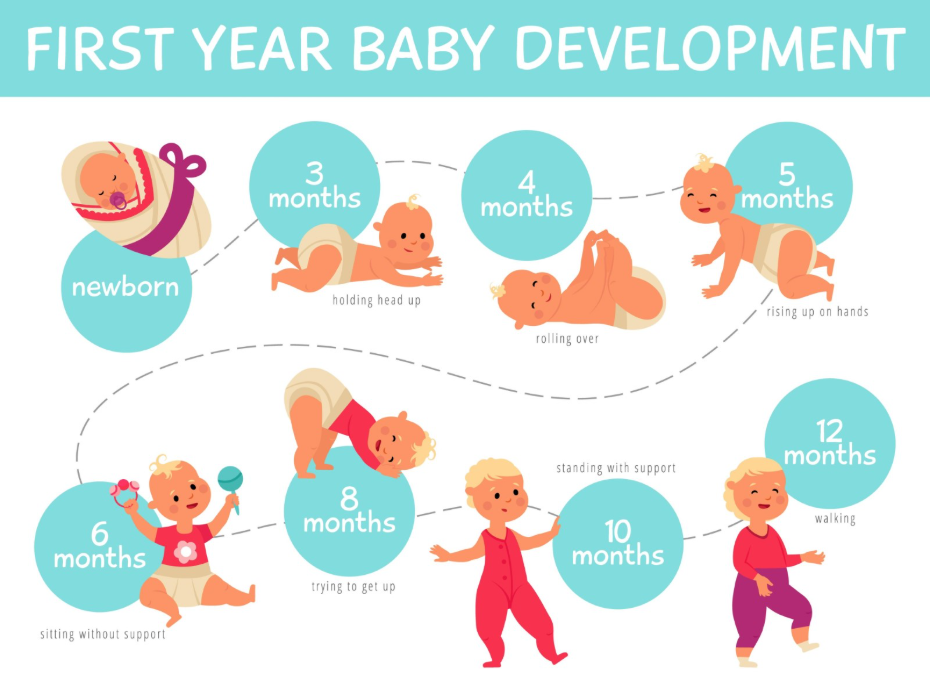
In the United Kingdom, healthcare professionals use the Personal Child Health Record, often called the red book, to track these skills. A primary delay in head control by four months or an inability to roll over by six months warrants a clinical review. These milestones are essential because they require the brain to coordinate complex signals to various muscle groups. When these milestones are missed, the NHS provides a pathway for a formal developmental review to determine if the delay is a temporary variation or a sign of a permanent motor impairment. Identifying these gaps early allows for the introduction of targeted physiotherapy to support the child’s physical progress.
Unusual Muscle Tone and Postural Patterns
An assessment is necessary if a child exhibits persistent abnormalities in muscle tone, which may appear as excessive stiffness (hypertonia) or noticeable floppiness (hypotonia). These tonal changes affect how a child holds their body against gravity and can interfere with their ability to move their limbs freely and purposefully. NICE clinical guidelines for cerebral palsy indicate that abnormal muscle tone and persistent primitive reflexes are key indicators that a child requires a specialist neurological assessment.
| Feature | Signs of Hypertonia (Stiff) | Signs of Hypotonia (Floppy) |
| Handling | The child feels rigid or “wooden.” | The child feels like a “ragdoll.” |
| Legs | Legs may cross like scissors. | Legs may fall open in a “frog” position. |
| Hands | Hands often kept in tight fists. | Hands appear limp with little grip. |
| Posture | Arched back or stiff neck. | Difficulty supporting the head or trunk. |
In the United Kingdom, these signs are often noticed during routine nappy changes or when dressing the child. If a child’s limbs are difficult to move or if they seem unable to support their own weight when held, a GP or health visitor should be consulted. These physical patterns suggest that the brain’s motor control centres are not regulating muscle tension correctly. Early clinical review ensures that the specific type of tonal imbalance is identified, allowing the multidisciplinary team to provide appropriate equipment and therapy to support the child’s comfort and mobility.
Asymmetry and Early Hand Preference
A child who shows a strong preference for using one side of their body before the age of 12 months should be assessed for potential motor impairment. While older children naturally develop a dominant hand, infants should typically use both hands and legs equally as they explore their environment and reach for objects.
Signs of asymmetric movement in the UK include:
- One-Sided Reaching: Consistently using only the left or right hand to grasp toys.
- Asymmetric Kicking: Moving one leg significantly more than the other during play.
- Dragging a Limb: Showing a “lopsided” crawl where one side of the body does more work.
- Persistent Fisting: Keeping one hand tightly clenched while the other is open and active.
In the United Kingdom, favouring one side can be a sign of hemiplegic cerebral palsy, where the injury affects only one hemisphere of the brain. Because infants should be bilaterally symmetrical in their movements, any persistent lean or preference is a clinical red flag. An assessment by a paediatrician involves checking for differences in muscle strength and reflexes between the two sides. Early identification allows occupational therapists to encourage the use of both sides of the body, which is vital for developing coordination and preventing long-term muscle imbalances.
High-Risk Factors and Proactive Monitoring
Children who have experienced specific high-risk factors during pregnancy, birth, or the neonatal period should be monitored proactively for any emerging signs of cerebral palsy. In the United Kingdom, the NHS provides enhanced surveillance for infants who are born very prematurely or those who required intensive care at birth. The GOV.UK health pages provide clinical profiles indicating that infants with a history of neonatal encephalopathy or preterm birth should have regular neurodevelopmental follow-ups.
High-risk categories in the UK include:
- Prematurity: Babies born before 32 weeks of gestation.
- Low Birth Weight: Infants weighing less than 1.5kg at birth.
- Neonatal Seizures: Any seizure activity occurring in the first days of life.
- Infections: History of meningitis or severe maternal infections during pregnancy.
- Brain Imaging Changes: Any abnormalities seen on a neonatal cranial ultrasound or MRI.
For these children, the NHS often schedules “follow-up clinics” even if they appear to be developing typically in the first few months. This proactive approach ensures that subtle motor challenges are caught as soon as the child begins to engage in more complex tasks. Families in the UK are encouraged to remain in close contact with their neonatal follow-up team. This continuous safety net ensures that any neurological concerns are addressed according to national evidence-based standards, providing the best possible start for vulnerable infants.
The Role of Parent and Carer Observations
An assessment should be initiated whenever a parent or carer has persistent concerns about their child’s physical development, even if the signs appear subtle. Parents are often the first to notice that their child feels “different” to hold or that they are not moving in the same way as their peers or siblings.
In the United Kingdom, parent-led concerns that warrant a GP review include:
- Feeding Difficulties: Regular gagging, choking, or a very weak suck.
- Irritability: Unusual or persistent crying and difficulty being comforted.
- Sleep Issues: Excessive stiffness or unusual posturing during rest.
- Visual Behaviours: Not following objects or making eye contact by three months.
- Startle Response: An exaggerated or persistent startle reflex (Moro reflex).
The UK healthcare system values parental insight as a vital part of the diagnostic process. When a parent shares a concern, the GP or health visitor should perform a formal developmental screen. If the child’s progress is unclear, the NHS supports a “watchful waiting” approach with frequent reviews or a direct referral to a community paediatrician. This collaborative relationship between families and professionals ensures that concerns are never ignored. By documenting these observations, parents help the multidisciplinary team build a comprehensive picture of the child’s neurological health over time.
Integrated NHS Assessment and Referral Pathways
The United Kingdom provides an integrated multidisciplinary pathway for children who require an assessment for cerebral palsy, ensuring that all aspects of their health are reviewed by specialists. This coordinated process moves from initial screening in the community to detailed investigation in specialist clinics.
The UK integrated pathway involves:
- Health Visitor Screening: Identifying concerns during routine developmental checks.
- GP Referral: Initiating the medical pathway to a specialist paediatrician.
- Child Development Centres: Hubs where various therapists assess the child’s needs.
- Paediatric Neurology: Detailed review of brain function and motor control.
- Therapy Assessments: Physiotherapy and occupational therapy reviews of tone and function.
In the UK, the aim is to provide a “joined-up” experience for the family. The paediatrician coordinates the findings from different therapists to provide a clear clinical picture. If cerebral palsy is suspected, the NHS provides a “key worker” or specialist nurse to help the family navigate the next steps. This framework ensures that the child receives the necessary support, such as specialist equipment or an Education, Health and Care plan, as early as possible. By utilising these integrated pathways, the UK healthcare system ensures that every child receives a robust and evidence-based assessment.
Conclusion
A child should be assessed for cerebral palsy if they show significant delays in motor milestones, unusual muscle tone, or a persistent preference for one side of the body. In the UK, the NHS provides a safety net of routine developmental reviews to identify these signs early, particularly for high-risk infants. Parental observations are a vital part of the diagnostic journey and should always be shared with a GP or health visitor. Following an integrated multidisciplinary pathway ensures that the child receives the correct support to help them achieve their functional potential. The UK healthcare system provides a life-long framework of support for affected children and their families.
Does a delay in walking always mean a child has cerebral palsy?
No; many children are “late walkers” for other reasons, but in the UK, a delay beyond 18 months always warrants a professional review.
At what age is it too late to be assessed?
Cerebral palsy is usually identified in the first two to three years, but an assessment can be performed at any age if motor challenges persist.
Who is the first person I should talk to in the UK?
Your health visitor or GP is the primary point of contact for an initial developmental screening and referral.
Can a baby be diagnosed before they are six months old?
While a formal diagnosis often takes longer, high-risk infants in the UK can be identified as “at risk” very early through specialist movement assessments.
What happens during a specialist paediatrician appointment?
The doctor will review the pregnancy and birth history, examine the child’s reflexes and muscle tone, and observe how they move and play.
Why does my health visitor use a “red book”?
The Personal Child Health Record is used to document milestones and growth, providing a vital history for any future specialist assessments.
Does an assessment always lead to a brain scan?
If a paediatrician identifies neurological signs, they will often recommend an MRI scan to look for structural changes in the brain.
Authority Snapshot (E-E-A-T)
This article provides medically factual health education regarding when to assess a child for cerebral palsy, strictly aligned with NHS and NICE clinical guidelines. The content is developed by a professional medical writing team and reviewed by Dr. Rebecca Fernandez, a UK-trained physician with experience in general surgery, cardiology, and emergency medicine. All information follows current UK public health protocols to ensure clinical accuracy and patient safety.
