
Cerebral palsy affects muscle tone by disrupting the neurological signals that regulate the natural tension in muscles at rest, leading to variations such as excessive stiffness or unusual floppiness. In the United Kingdom, these changes are managed through integrated clinical pathways that focus on maintaining mobility and preventing long-term physical complications. While the brain injury is permanent, therapy helps the body adapt.
What We’ll Discuss in This Article
- The distinction between high muscle tone and low muscle tone.
- How brain injury interferes with the regulation of muscle tension.
- The clinical characteristics of spasticity and its impact on joints.
- Understanding hypotonia and its effect on physical stability.
- Fluctuating muscle tone in dyskinetic forms of the condition.
- Integrated NHS management and therapeutic support for tonal changes.
Understanding the Regulation of Muscle Tone
Muscle tone refers to the continuous and passive partial contraction of the muscles, which is regulated by the central nervous system to help maintain posture and facilitate smooth movements. In a healthy nervous system, the brain and spinal cord send balanced signals to the muscles to ensure they have enough tension to support the body but remain flexible enough to move. The NHS states that cerebral palsy can affect movement and coordination, making it difficult for the body to regulate muscle tone correctly.
When the motor control centres of the brain are damaged before, during, or shortly after birth, this delicate balance is lost. The muscles may receive too many signals to contract, resulting in stiffness, or too few, resulting in floppiness. In the United Kingdom, specialist physiotherapists perform detailed physical assessments to identify the specific type of tone a person has. This understanding is fundamental to the management plan, as the type of muscle tone determines which exercises, medications, or equipment will be most effective. By prioritising the stabilization of muscle tone, the healthcare team aims to provide the individual with a better foundation for developing their motor skills and achieving functional independence.
High Muscle Tone and Spasticity
High muscle tone, or hypertonia, is the most common way cerebral palsy affects the body, causing muscles to feel stiff, tight, and resistant to stretching. This specific form of hypertonia is often called spasticity and results from damage to the motor cortex or the pyramidal tracts of the brain. NICE clinical guidelines for cerebral palsy indicate that spasticity can lead to reduced range of movement in the joints and, if left unmanaged, may result in permanent contractures.
| Tone Type | Physical Sensation | Impact on Movement in the UK |
| Hypertonia | Rigid, stiff, or tight. | Difficulty straightening limbs and cross-leg “scissoring.” |
| Hypotonia | Soft, limp, or floppy. | Struggles with head control and sitting upright. |
| Dystonia | Variable or twisting. | Unpredictable movements and postural changes. |
In the United Kingdom, spasticity is often managed through a combination of stretching routines, orthotic splints, and medications. When muscles are constantly tight, they can pull on the joints and bones, potentially leading to hip displacement or spinal curvature. Physiotherapy focuses on lengthening these tight muscles to preserve joint health. For some, the NHS may provide botulinum toxin injections to temporarily relax specific muscle groups, making it easier to perform daily tasks or therapy. By addressing high muscle tone proactively, the multidisciplinary team aims to prevent secondary musculoskeletal issues that could limit a person’s mobility as they grow into adulthood.
Low Muscle Tone and Hypotonia
Low muscle tone, or hypotonia, makes the muscles feel unusually soft and limp, which can make it difficult for a person with cerebral palsy to support their own weight or maintain a stable posture. This often affects the core and neck muscles, resulting in a “ragdoll” appearance in early infancy. While some children start with low tone and develop stiffness later, others maintain hypotonia throughout their lives.
In the United Kingdom, the challenges of low muscle tone include:
- Poor Head Control: Difficulty holding the head up without significant support.
- Joint Hypermobility: Joints that move beyond the normal range because the muscles are too loose.
- Respiratory Issues: Weakness in the chest muscles that can impact breathing depth.
- Delayed Milestones: Taking longer to learn to sit, stand, or walk because the body feels unstable.
The NHS manages hypotonia by focusing on strengthening the core muscles and providing specialist seating or standing frames to offer the body the support it cannot provide for itself. Unlike spasticity, where the goal is to relax the muscle, management for hypotonia aims to increase the “readiness” of the muscle to work. Occupational therapists in the UK may recommend weighted vests or specific postural aids to help the individual feel more secure in their environment. This integrated support ensures that the person can participate in activities without being hindered by the physical exhaustion that often accompanies low muscle tone.
Fluctuating Muscle Tone and Dyskinesia
Fluctuating muscle tone is a hallmark of dyskinetic cerebral palsy, where the tension in the muscles changes unpredictably between being too high and too low. This occurs when the injury is located in the basal ganglia, which is the part of the brain responsible for smoothing out voluntary movements and suppressing involuntary ones.
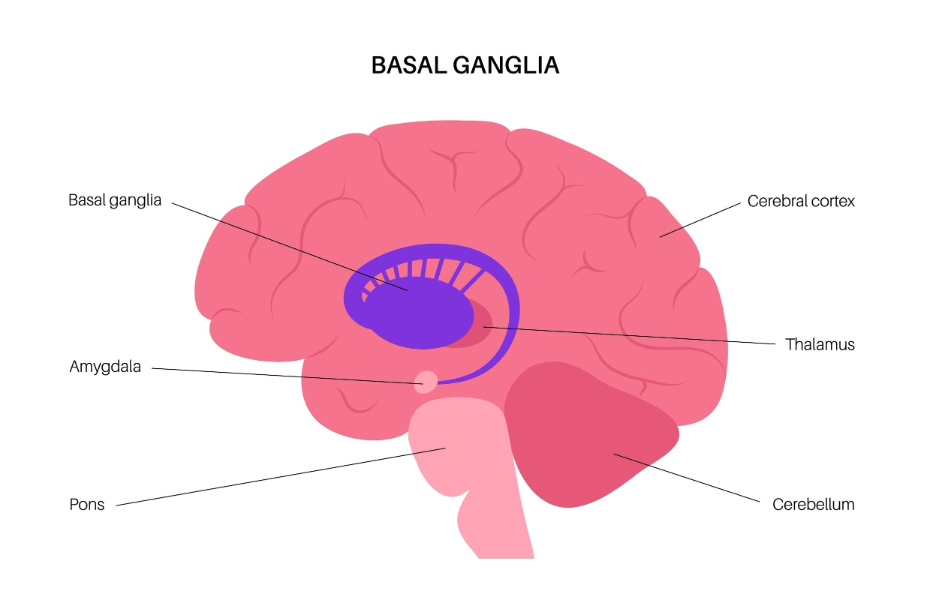
In the United Kingdom, individuals with fluctuating tone may experience:
- Involuntary Movements: Sudden, jerky, or writhing motions that occur without intent.
- Tonal Shifts: Feeling stiff one moment and completely floppy the next.
- Speech Impact: Difficulty coordinating the muscles used for talking and swallowing.
- Postural Instability: Struggling to stay in a seated position as the body’s tension shifts.
Managing these fluctuations requires a highly specialized approach within the NHS multidisciplinary team. Medication may be used to help stabilize the signals from the basal ganglia, and speech and language therapists are often involved to manage the impact on communication. Postural management is a priority, using custom-moulded seating that can adapt to the person’s changing tension. This integrated care ensures that the individual remains comfortable and supported, allowing them to focus on their functional goals. By providing a consistent safety net, the UK healthcare system helps individuals with complex tonal shifts achieve a more stable and predictable quality of life.
Long-term Musculoskeletal Impacts
Persistent issues with muscle tone can lead to permanent changes in the bones and joints over time, making regular monitoring a vital part of long-term care in the United Kingdom. Because muscles pull on the developing skeleton, unusual tension can cause bones to grow at different rates or joints to become misaligned. The GOV.UK health pages provide clinical profiles indicating that the monitoring of joint health and hip stability is a core part of the integrated paediatric and adult management pathways.
In the UK, orthopaedic surgeons and physiotherapists monitor for:
- Contractures: Permanent shortening of muscles and tendons that restricts joint movement.
- Hip Displacement: The hip joint moving out of its socket due to uneven muscle pull.
- Scoliosis: Curvature of the spine caused by an imbalance in trunk muscle tone.
- Bone Density: Ensuring that weight-bearing activities are encouraged to keep bones strong.
Consistent use of orthotics, such as ankle-foot orthoses (AFOs), helps keep the limbs in a functional position and reduces the risk of deformity. In the UK, the focus is on “proactive prevention,” where interventions are implemented early to avoid the need for complex surgery later. If surgery is required, it is often performed to lengthen tendons or adjust bone alignment to improve the person’s comfort and gait. By prioritising musculoskeletal health throughout the person’s life, the NHS aims to preserve functional mobility and prevent chronic pain associated with long-term tonal imbalances.
Integrated NHS Support and Therapy
The United Kingdom provides a comprehensive and multidisciplinary framework of support to help individuals with cerebral palsy manage their muscle tone effectively throughout their lives. This involves a coordinated effort between various healthcare professionals who tailor their approach to the individual’s specific neurological profile.
The UK support framework involves:
- Physiotherapy: Delivering stretching and strengthening programmes to manage tone.
- Occupational Therapy: Providing equipment and adaptations to support daily tasks.
- Specialist Nursing: Acting as a consistent point of contact for families navigating care.
- Paediatric Neurology: Monitoring brain function and managing muscle-relaxing medications.
This integrated approach ensures that the management plan is updated as the person grows and their physical needs evolve. In the UK, Child Development Centres often serve as the hub for these services, providing a central location for various specialist appointments. The healthcare system also provides transition services to help young people move from paediatric to adult care seamlessly. By utilising this comprehensive safety net, the NHS aims to empower every person with cerebral palsy to achieve their full functional potential and lead an active life within their community.
Conclusion
Cerebral palsy affects muscle tone by causing persistent stiffness, floppiness, or unpredictable fluctuations due to a brain injury that disrupts neurological signals. In the UK, the NHS classifies these changes as hypertonia, hypotonia, or dystonia to provide tailored multidisciplinary support and specialist equipment. While the underlying brain injury does not change, its impact on the muscles is managed through consistent physiotherapy and joint health monitoring. Following a structured management plan helps individuals maintain their functional independence and adapt to physical changes over time. The UK healthcare system provides a life-long framework of support for managing these motor challenges. If you experience severe, sudden, or worsening symptoms, call 999 immediately.
Can muscle tone change as a person gets older?
The brain injury is static, but muscle tone can be influenced by growth, aging, or changes in activity levels, requiring regular clinical review.
Does cold weather affect muscle stiffness in cerebral palsy?
Many people in the UK find that cold temperatures increase muscle spasticity, making movements feel more difficult or uncomfortable.
Will my child always have low muscle tone?
Some children with initial hypotonia develop spasticity as they grow, while others maintain low tone throughout their life.
Can medication permanently fix muscle tone issues?
Medication helps manage the symptoms and signals, but it does not repair the underlying brain injury that causes the tonal imbalance.
How do splints help with high muscle tone?
In the UK, splints (orthotics) are used to hold the limb in a functional position, providing a gentle, constant stretch to prevent muscle shortening.
Is muscle tone the same as muscle strength?
No; tone is the muscle’s tension at rest, while strength is the ability of the muscle to exert force during an activity.
Can stress or excitement affect muscle tone?
Yes; in the UK, it is well-recognised that emotional states can temporarily increase spasticity or involuntary movements.
Authority Snapshot (E-E-A-T)
This article provides medically factual health education regarding how cerebral palsy affects muscle tone, strictly aligned with NHS and NICE clinical guidelines. The content is developed by a professional medical writing team and reviewed by Dr. Rebecca Fernandez, a UK-trained physician with experience in general surgery, cardiology, and emergency medicine. All information follows current UK public health protocols to ensure clinical accuracy and patient safety.
