
Preventing recurrent pancreatitis involves a combination of medical interventions, surgical procedures, and significant lifestyle modifications tailored to the specific cause of the initial inflammation. Once the pancreas has been inflamed, it becomes more susceptible to future injury, making the identification of the underlying trigger a priority for healthcare teams in the United Kingdom. By addressing these triggers, such as gallstones, alcohol consumption, or high blood fats, clinicians aim to reduce the frequency of flare-ups and prevent the transition from acute inflammation to permanent, chronic organ damage.
What We’ll Discuss in This Article
- The role of gallbladder surgery in preventing stone-related recurrence.
- Why total alcohol abstinence is vital regardless of the initial cause.
- The impact of smoking cessation on long-term pancreatic health.
- Dietary strategies and weight management for metabolic triggers.
- Medical management of high triglycerides and medication-induced risks.
- The importance of regular clinical follow-up and monitoring.
Surgical Prevention of Gallstone Pancreatitis
Surgery to remove the gallbladder is the primary method used to prevent recurrent pancreatitis in patients where gallstones are identified as the cause. When small stones migrate from the gallbladder into the common bile duct, they can block the pancreatic duct, leading to a sudden inflammatory attack. To ensure this does not happen again, the NHS recommends that most patients who have had gallstone pancreatitis undergo a cholecystectomy, which is the surgical removal of the gallbladder.
Ideally, this surgery is performed during the same hospital stay as the initial attack or within two weeks of discharge to provide immediate protection. In some cases, a procedure called Endoscopic Retrograde Cholangiopancreatography (ERCP) may be used beforehand to clear any stones remaining in the bile duct. By removing the source of the stones, the likelihood of a future mechanical blockage of the pancreatic duct is significantly diminished.
Total Alcohol Abstinence
Abstaining from alcohol is the most effective lifestyle change for preventing further attacks of pancreatitis, as alcohol is a direct toxin to the pancreatic tissue. Regardless of the original cause of the inflammation, the pancreas remains in a vulnerable state following an attack. Alcohol can trigger the premature activation of digestive enzymes within the organ, causing it to effectively digest itself, which leads to renewed inflammation and scarring.
For individuals whose pancreatitis was specifically triggered by alcohol, any further consumption carries an extremely high risk of a severe recurrence. Healthcare providers in the UK consistently advise total abstinence rather than simply reducing intake. For those struggling to maintain this change, the NHS provides access to support services and specialist clinics to assist with long-term sobriety and pancreatic protection.
Smoking Cessation and Chronic Disease Prevention
Quitting smoking is a vital component of a prevention strategy because tobacco use is strongly linked to the progression of chronic pancreatitis. Smoking acts as a chemical stressor that accelerates the formation of scar tissue in the pancreas, a process known as fibrosis. This progressive scarring reduces the organ’s functional reserve and makes it less able to recover from even minor episodes of inflammation.
NICE guidelines emphasise that smoking cessation is an essential part of the management plan for preventing recurrent pancreatitis and reducing the risk of pancreatic cancer. Patients who continue to smoke after an initial attack are more likely to experience frequent flare-ups and a faster decline in pancreatic function. Support through local stop-smoking services is a standard part of the follow-up care provided by the NHS to help patients achieve this goal.
Dietary Strategies and Fat Management
Adopting a low-fat diet is recommended to reduce the workload on the pancreas and prevent the triggers associated with high-fat meals. The pancreas produces the enzymes needed to digest fats, and consuming a heavy, greasy meal can force the inflamed or recovering organ to work beyond its capacity, causing pain or new inflammation. A balanced diet focusing on lean proteins, whole grains, and fresh vegetables helps maintain stable health without overstimulating the organ.
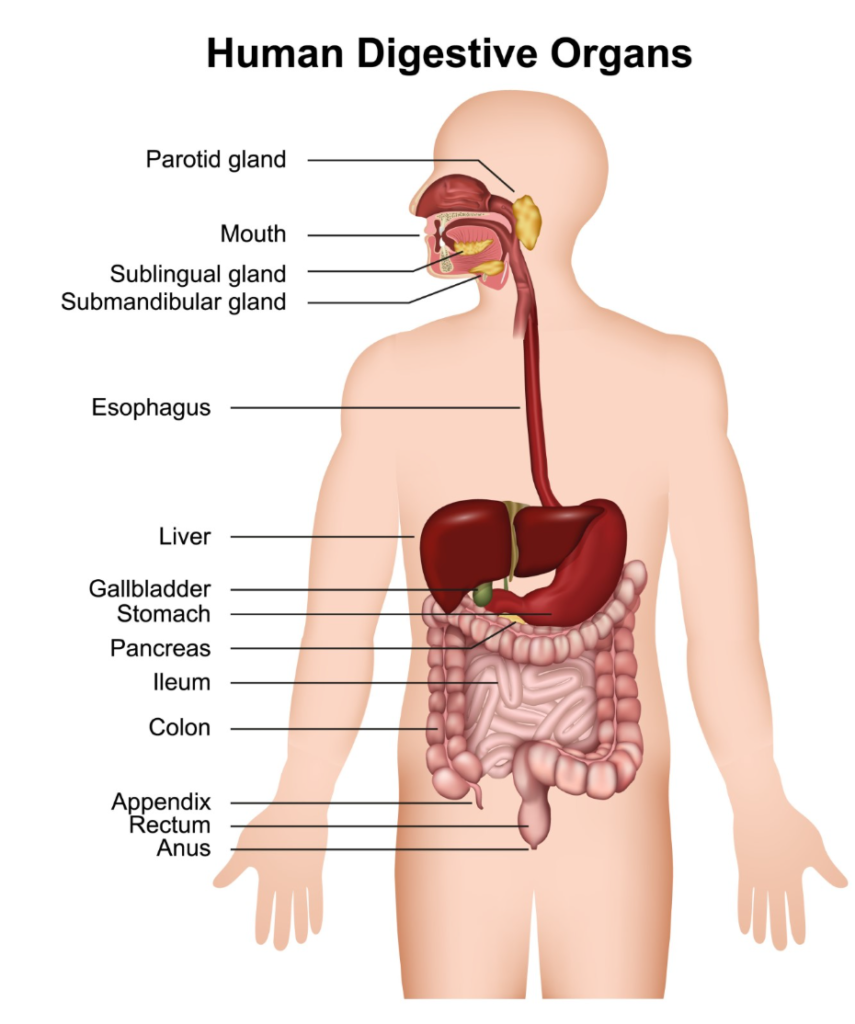
For patients where high levels of triglycerides (fats) in the blood were the primary cause, dietary management is even more critical. In addition to a low-fat diet, these patients may be prescribed specific medications, such as fibrates or high-dose omega-3 fatty acids, to keep their blood fat levels within a safe range. Maintaining a healthy weight through diet and gentle exercise also reduces the risk of developing further gallstones and metabolic complications.
Managing Medications and Rare Triggers
Reviewing and adjusting medications is a necessary step if a specific drug is suspected of causing the inflammatory response. Certain medications, including some diuretics, antibiotics, and immunosuppressants, are known rare triggers for acute pancreatitis. If a doctor identifies a potential link, they will work with the patient to find a safer alternative that does not pose a risk to the pancreas.
In cases where the cause is “idiopathic” (unknown), prevention focuses on general organ health and the avoidance of all known irritants. This includes staying well-hydrated, as dehydration can thicken pancreatic secretions and lead to ductal congestion. Regular blood tests during follow-up appointments allow clinicians to monitor calcium levels and other metabolic markers that could potentially trigger a recurrence if left unmanaged.
Comparison of Prevention Strategies by Trigger
The following table provides a comparison of how prevention is tailored based on the initial cause of the pancreatitis.
| Initial Cause | Primary Prevention Method | Supporting Actions |
| Gallstones | Gallbladder removal (Cholecystectomy) | Low-fat diet, weight management |
| Alcohol | Total alcohol abstinence | Support groups, counselling |
| High Triglycerides | Medication and strict low-fat diet | Weight loss, regular blood tests |
| Smoking | Total smoking cessation | Nicotine replacement therapy |
| Medication-induced | Discontinuation of offending drug | Switching to safer alternatives |
Conclusion
Preventing recurrent pancreatitis is a long-term commitment that requires addressing the specific biological and lifestyle triggers that caused the initial inflammation. While surgery and medical management provide essential protection against mechanical or metabolic triggers, total abstinence from alcohol and smoking are the most effective ways to ensure the organ remains healthy. Consistent follow-up with a healthcare team ensures that the prevention plan remains effective and that any early signs of recurrence are managed promptly. If you experience severe, sudden, or worsening symptoms, call 999 immediately.
If I have my gallbladder out, can I still get pancreatitis?
Yes, while removing the gallbladder prevents stones from causing an attack, you can still get pancreatitis from other triggers like alcohol, smoking, or high blood fats. It is important to maintain all lifestyle changes even after surgery.
Is it okay to have just one drink on special occasions?
Medical professionals in the UK generally recommend total abstinence from alcohol after an episode of pancreatitis. Even a small amount can irritate a vulnerable pancreas and potentially trigger a new attack.
How does smoking affect my pancreas if it’s a lung habit?
The chemicals in cigarette smoke are absorbed into your bloodstream and reach the pancreas, where they increase inflammation and accelerate the growth of scar tissue.
What is the most important food to avoid?
High-fat and fried foods are the most common dietary triggers. Avoiding things like fast food, heavy cream, and fatty meats reduces the digestive strain on your pancreas.
Will I always need to follow a special diet?
Most people find that maintaining a lower-fat diet long-term helps them feel better and reduces the risk of flare-ups, especially if they have some permanent scarring.
Can stress cause a repeat attack?
While stress itself is not a direct cause of pancreatitis, it can lead to lifestyle choice such as increased drinking or poor diet that are known triggers for the condition.
How often should I have follow-up tests?
Initially, you may have blood tests and reviews every few months, but if your condition remains stable, this may move to once or twice a year depending on your doctor’s advice.
Authority Snapshot (E-E-A-T)
This article provides educational information on the prevention of recurrent pancreatitis according to UK clinical standards. The content is strictly aligned with the guidelines of the National Health Service (NHS) and the National Institute for Health and Care Excellence (NICE). It has been reviewed by the Medical Content Team and Dr. Rebecca Fernandez to ensure clinical accuracy and relevance for the general public.
