




Heavy lifting is a recognised factor that can exacerbate haemorrhoids by significantly increasing the pressure within the abdomen and pelvic region. This physical exertion impacts the vascular cushions in the anal canal, which are responsible for helping maintain bowel control. When these cushions become swollen or inflamed, they are referred to as haemorrhoids or piles. For individuals already experiencing these symptoms, the act of lifting heavy objects can lead to further engorgement, discomfort, and potentially more serious complications such as prolapse or thrombosis.
What We’ll Discuss in This Article
- The relationship between intra-abdominal pressure and anal veins
- How the Valsalva manoeuvre impacts vascular health during exertion
- The risk of internal haemorrhoid prolapse during physical strain
- The development of thrombosed external haemorrhoids from lifting
- Practical strategies for safe lifting and pelvic floor protection
- Clinical guidance for managing flare-ups caused by physical activity
The Role of Intra-Abdominal Pressure
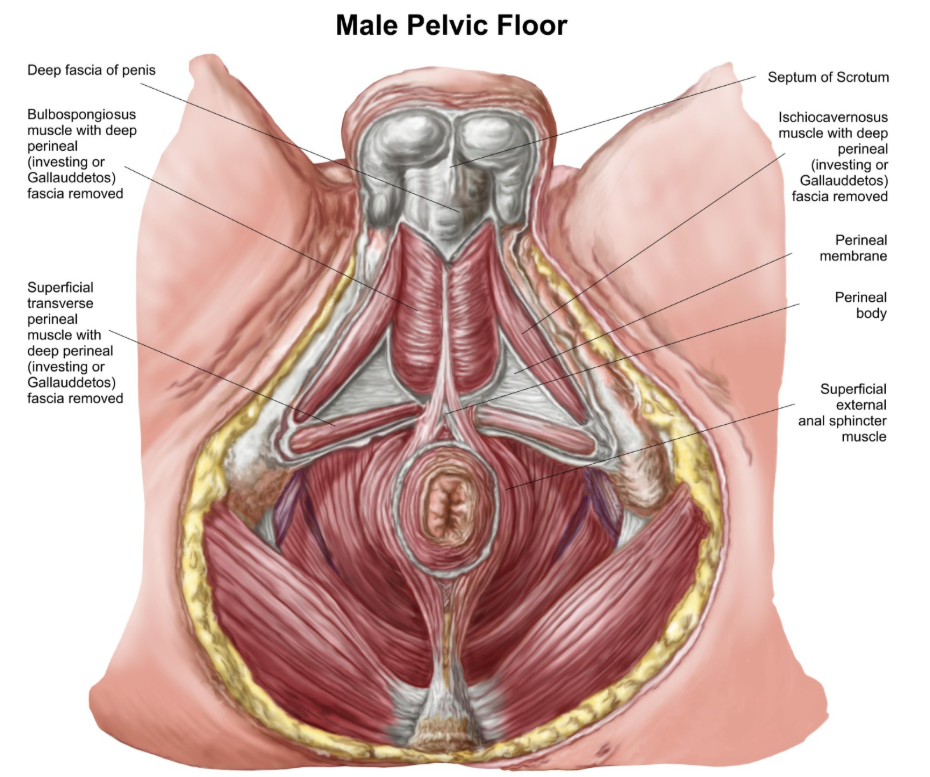
Heavy lifting makes haemorrhoids worse because it causes a sudden and significant spike in the pressure within the abdominal cavity. When the body prepares to lift a substantial weight, the muscles of the core and diaphragm contract forcefully. This contraction creates internal pressure that is transmitted downwards toward the pelvic floor and the rectum. Because the veins in the anal canal do not have valves to prevent the backward flow of blood, this pressure causes the vessels to fill rapidly and swell.
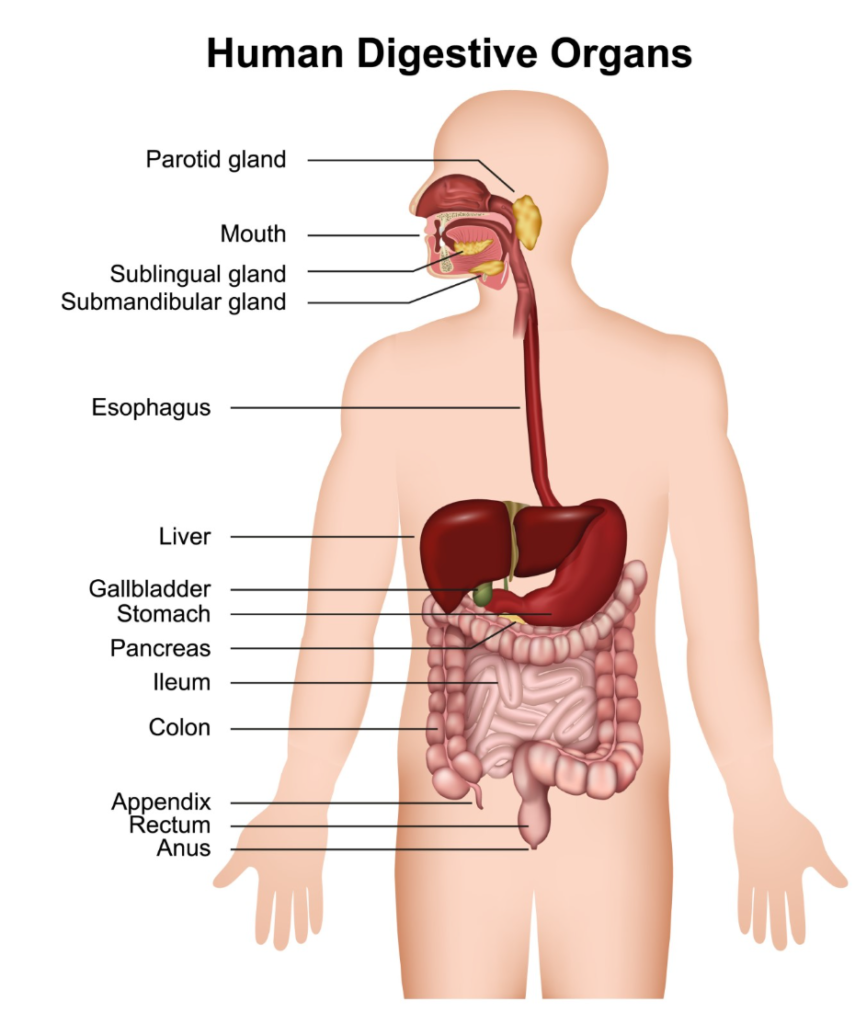
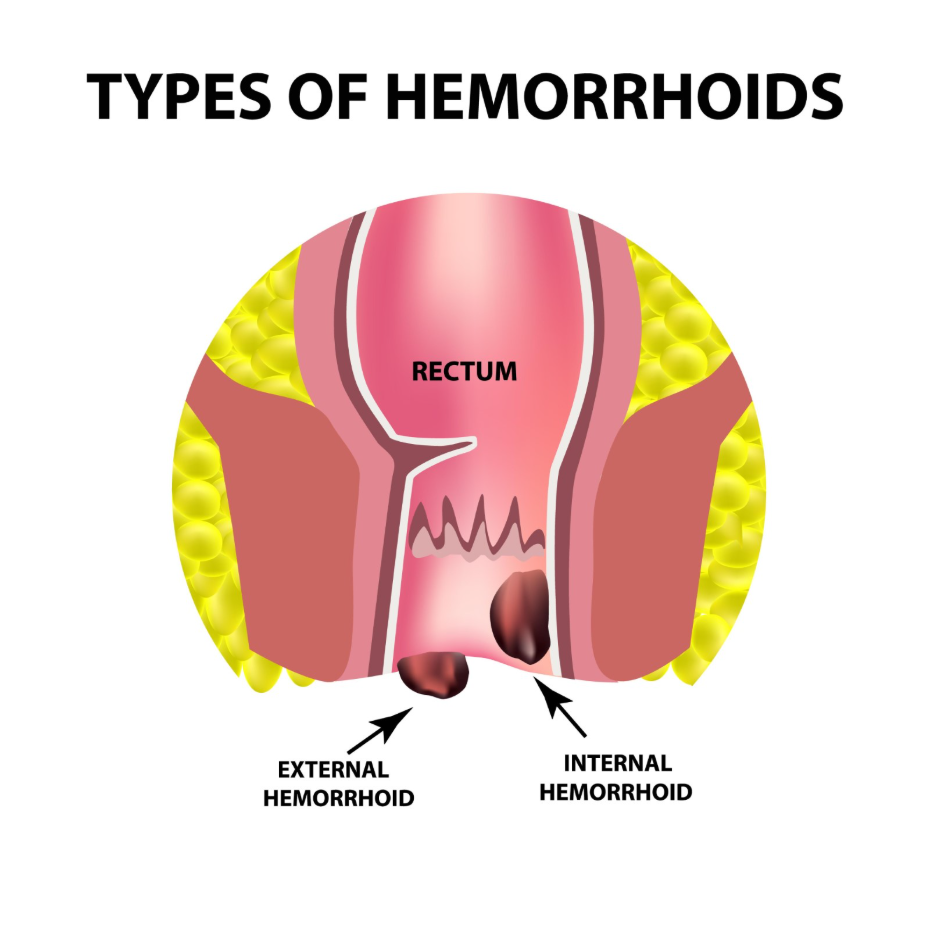
Haemorrhoids are swollen veins in the anus and lower rectum, and they often develop or worsen due to increased pressure in the lower rectum during physical strain. This engorgement stretches the delicate walls of the veins and the connective tissues that hold them in place. If these tissues are already weakened by age, pregnancy, or chronic constipation, the added stress of heavy lifting can cause the vessels to bulge significantly. This process is similar to how straining during a bowel movement affects the area, as both involve a forceful increase in internal pressure.
The Impact of the Valsalva Manoeuvre
Many individuals instinctively hold their breath and “bear down” while lifting, a technique known as the Valsalva manoeuvre, which is a major trigger for haemorrhoid flare-ups. This specific action involves exhaling against a closed airway, which maximises the stability of the spine but also maximises the pressure on the pelvic veins. This sharp increase in venous pressure can cause immediate swelling and may lead to the rupture of small capillaries, resulting in bright red rectal bleeding.
The repeated use of this technique, whether in a professional setting or during weightlifting at the gym, can lead to chronic inflammation of the haemorrhoidal cushions. The National Institute for Health and Care Excellence provides guidelines on the management of haemorrhoids, which include advice on avoiding excessive straining to reduce symptoms. Learning to exhale during the most difficult part of a lift (the exertion phase) can help mitigate this pressure spike and protect the sensitive tissues of the anal canal from unnecessary trauma.
Internal Prolapse and Physical Exertion
Physical strain from lifting can cause internal haemorrhoids to descend or protrude through the anal opening, a condition referred to as prolapse. Internal haemorrhoids are located above the dentate line in the anal canal and are classified into four grades based on their degree of protrusion. Grade one piles remain internal, but heavy lifting can push them into higher grades, where they may require manual replacement or remain permanently outside.
When a haemorrhoid prolapses during exertion, it can become trapped or irritated by the anal sphincter muscles. This often leads to a sensation of fullness, mucus discharge, and secondary skin irritation. For those with existing grade two or three haemorrhoids, lifting a heavy object can be the specific trigger that causes the tissue to descend further than usual. Maintaining a strong pelvic floor through specific exercises may provide better support for these internal structures, but heavy exertion remains a risk factor for displacement.
Thrombosis as a Complication of Lifting
A significant risk associated with heavy lifting and haemorrhoids is the development of a thrombosed external haemorrhoid. This occurs when the sudden surge of pressure causes a blood clot to form within an enlarged external vein. Unlike standard haemorrhoids, which may be soft and mildly uncomfortable, a thrombosed haemorrhoid presents as a hard, firm, and acutely painful lump that is often bluish or purple in colour.
The pain from a thrombosis is typically constant and can be severe enough to interfere with walking or sitting. The formation of the clot is a direct result of the blood being forced into the vein under high pressure and then becoming stagnant. While the body eventually reabsorbs the clot over several weeks, the initial inflammatory phase is often the most painful part of a haemorrhoid flare-up. Individuals who frequently engage in heavy lifting are at a higher statistical risk of experiencing this acute vascular complication.
Comparison of Lifting Impact on Haemorrhoid Types
The following table distinguishes how heavy lifting affects the two primary classifications of piles.
| Feature | Impact on Internal Haemorrhoids | Impact on External Haemorrhoids |
| Primary Risk | Prolapse (tissue protrusion) | Thrombosis (blood clot formation) |
| Sensation | Feeling of fullness or pressure | Acute, sharp, or throbbing pain |
| Visible Sign | Protruding soft tissue | Hard, bluish lump at the anal margin |
| Bleeding | Bright red blood on wiping | Dark, clotted blood if the skin breaks |
Safe Lifting and Management Strategies
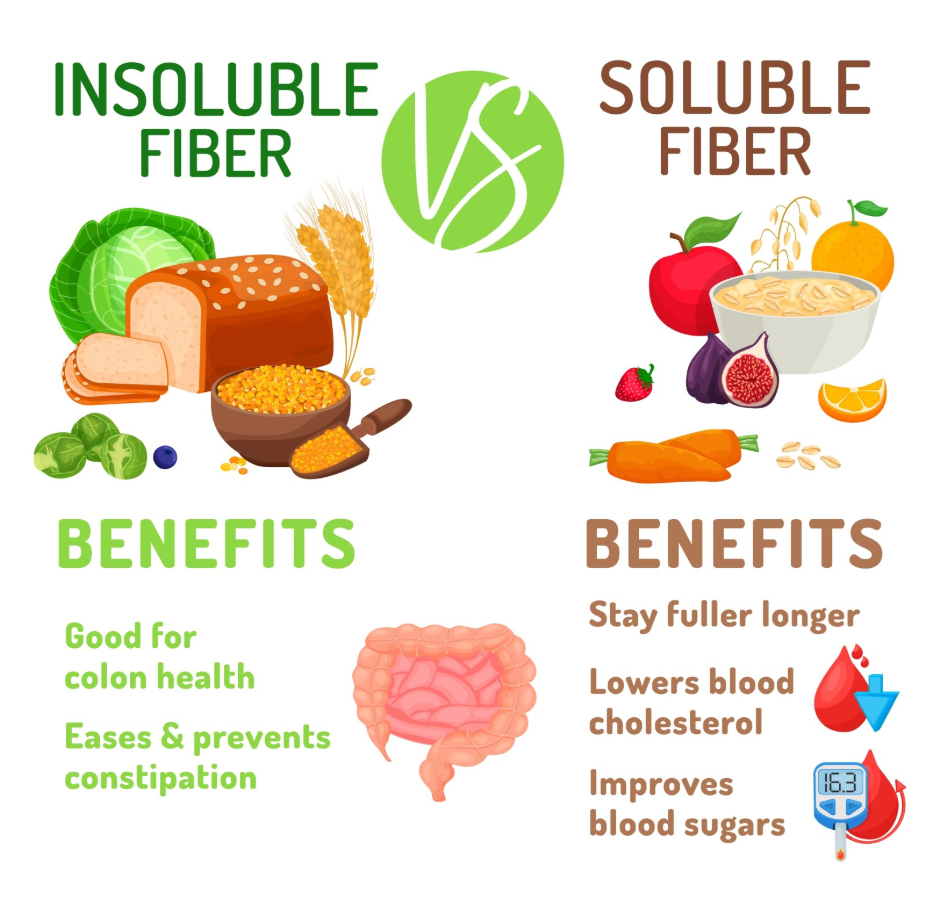
Managing haemorrhoids while maintaining an active lifestyle involves adopting safe lifting techniques and ensuring the bowels are functioning correctly to reduce baseline pressure. Using the legs rather than the back to lift and maintaining an upright posture can help distribute abdominal pressure more evenly. It is also essential to stay hydrated and consume a high-fibre diet to prevent constipation, as the combination of hard stools and heavy lifting creates a high-risk environment for haemorrhoid flare-ups.
If a flare-up occurs following physical exertion, conservative management is usually recommended as the first step. This includes:
- Using warm sitz baths to relax the anal sphincter and improve blood flow.
- Applying over-the-counter soothing ointments for short-term relief of inflammation.
- Avoiding further heavy lifting until the acute symptoms have subsided.
- Practising pelvic floor exercises to strengthen the supportive tissues.
- Ensuring the act of passing stool is effortless through proper hydration.
Conclusion
Heavy lifting can certainly make haemorrhoids worse by increasing intra-abdominal pressure and engorging the anal veins. This can lead to painful complications such as tissue prolapse or the formation of blood clots in external veins. Adopting proper breathing techniques and maintaining soft stools are vital strategies for reducing the impact of physical exertion on digestive health. If you experience severe, sudden, or worsening symptoms, call 999 immediately.
Is it safe to go to the gym if I have haemorrhoids?
Yes, but you should avoid heavy weightlifting or exercises that involve “bearing down” until your symptoms have settled.
Why do my haemorrhoids bleed after I lift something heavy?
The sudden increase in pressure can cause the thin walls of the swollen veins to rupture, leading to bright red spotting.
Can I prevent haemorrhoids from prolapsing while lifting?
Exhaling during the lift and engaging your core without holding your breath can help manage the internal pressure and protect the tissues.
Will a thrombosed haemorrhoid go away if I stop lifting?
The clot will naturally be reabsorbed by the body over several weeks, but you should avoid heavy strain to prevent it from happening again.
Should I wear a support belt to help with piles?
A weightlifting belt provides spinal stability but can actually increase intra-abdominal pressure, which may worsen haemorrhoid symptoms.
Does walking count as heavy strain?
No, walking is a gentle exercise that promotes circulation and healthy bowel movements, which is generally beneficial for haemorrhoid management.
When can I return to heavy lifting after a flare-up?
It is best to wait until any pain, swelling, or bleeding has completely resolved and your bowel habits are regular.
Authority Snapshot (E-E-A-T)
This medical education content is designed to provide accurate, evidence-based information for the UK public regarding the link between physical exertion and haemorrhoids. The material is developed by a professional medical writing team and reviewed by Dr. Rebecca Fernandez, a UK-trained physician with extensive experience in general surgery, internal medicine, and acute care. All information provided is strictly aligned with the clinical standards and diagnostic pathways provided by the NHS and the National Institute for Health and Care Excellence (NICE).



