




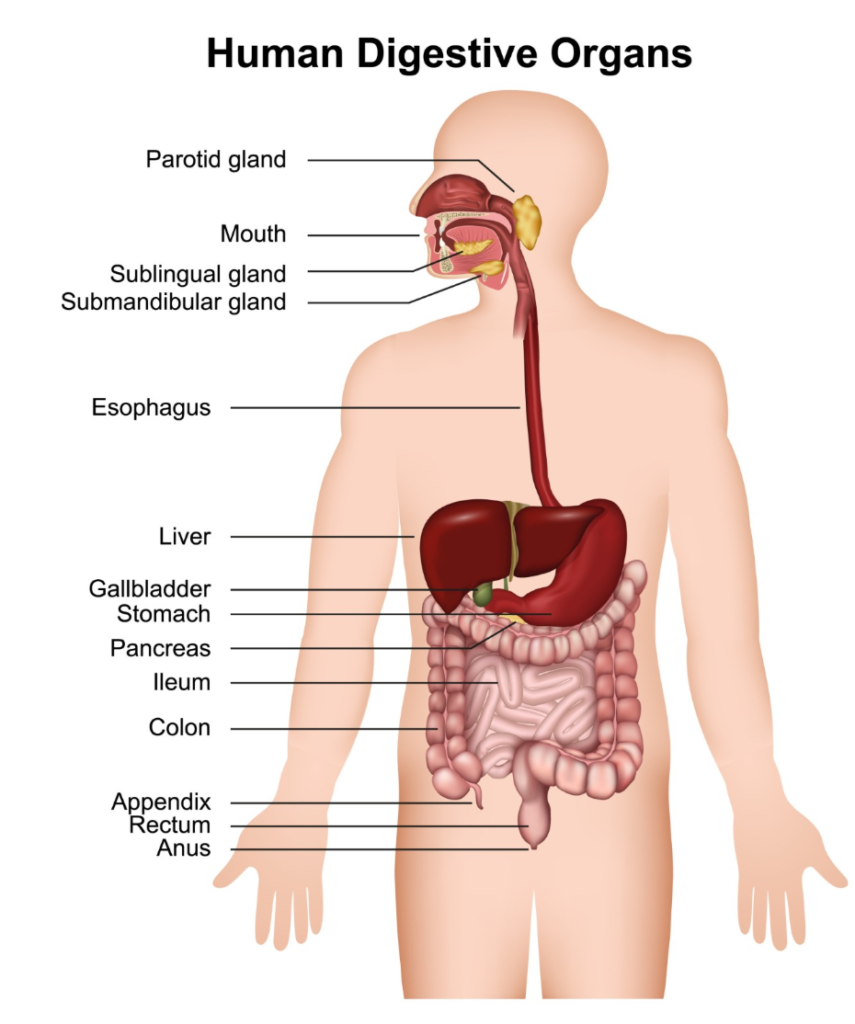
Abdominal and rectal health are closely linked to nutritional choices, as the types of food consumed directly impact stool consistency and the amount of pressure placed on the anal canal. Haemorrhoids, commonly referred to as piles, are swollen blood vessels that can become inflamed or bleed when the digestive system is under strain. While certain foods support smooth digestion, others can contribute to constipation or chemical irritation, leading to painful flare-ups. Understanding the relationship between diet and vascular pressure in the rectum is a key component of managing and preventing the recurrence of this common condition.
What We’ll Discuss in This Article
- The impact of low-fibre and highly processed foods on bowel motility
- How refined carbohydrates contribute to constipation and straining
- The role of dairy products in digestive transit for certain individuals
- The secondary effects of alcohol and caffeine on hydration and vein pressure
- Chemical irritation caused by spicy foods and certain seasonings
- Practical dietary modifications to reduce the risk of a haemorrhoid flare-up
Low-Fibre and Highly Processed Foods
Highly processed foods make haemorrhoids worse by slowing down the digestive process and leading to the production of small, hard stools that require significant straining to pass. These items, such as fast food, frozen meals, and pre-packaged snacks, often contain high levels of salt and fat but very little dietary fibre. Fibre is essential for adding bulk to the stool and retaining moisture, which ensures waste moves through the colon efficiently.
When the diet is deficient in fibre, the colon reabsorbs more water from the waste material, making the stool dry and abrasive. Haemorrhoids are swollen veins in the anus and lower rectum, and they often flare up when constipation leads to straining during bowel movements. This mechanical strain places intense pressure on the vascular cushions in the anal canal, causing them to engorge and potentially bleed. Reducing the intake of processed items in favour of whole foods is a primary clinical recommendation for maintaining rectal comfort.
Refined Carbohydrates and Digestive Transit
Consuming large amounts of refined carbohydrates, such as white bread, white rice, and sugary pastries, can exacerbate haemorrhoid symptoms by increasing the likelihood of constipation. These products have been stripped of their natural bran and germ layers, where the majority of the grain’s fibre is found. As a result, they are digested very quickly in the upper gastrointestinal tract but provide little material to stimulate the natural wave-like contractions of the large intestine.
Without this stimulation, waste material spends longer in the colon, where it becomes more compact. The effort required to evacuate these refined stools spikes intra-abdominal pressure, which is transmitted directly to the rectal veins. Over time, this repeated pressure weakens the connective tissues that support the veins, leading to prolapse or external swelling. Replacing refined grains with wholemeal or wholegrain alternatives is an effective way to support healthier transit times.
The Role of Dairy Products in Stool Consistency
For some individuals, excessive consumption of dairy products like cheese, milk, and cream can contribute to constipation and worsen existing haemorrhoid symptoms. While dairy is an important source of calcium and protein, it contains no fibre. In people with certain digestive sensitivities, large amounts of dairy can slow down gut motility, leading to the formation of hard stools that are difficult to expel.
It is often beneficial for those prone to piles to monitor their dairy intake, especially when they are already experiencing a flare-up. If dairy is a significant part of the diet, it should always be balanced with high-fibre foods like vegetables and fruits to ensure the stool remains soft. The National Institute for Health and Care Excellence provides guidelines for managing haemorrhoids, which include making dietary changes to prevent constipation and reduce the pressure on the anal canal.
Alcohol, Caffeine, and Dehydration
Alcohol and caffeine can indirectly worsen haemorrhoids by leading to dehydration, which is a major contributor to the development of hard stools. Alcohol acts as a diuretic, encouraging the kidneys to release more water than usual, while excessive caffeine can also increase fluid loss. When the body is dehydrated, the colon compensates by extracting as much moisture as possible from the waste material, resulting in constipation.
Furthermore, alcohol can cause a temporary increase in blood pressure and may lead to the dilation of blood vessels, including those in the anal canal. This increased blood flow to the pelvic region can make existing haemorrhoids feel more swollen and sensitive. Maintaining adequate hydration with water or herbal teas is essential, particularly if an individual chooses to consume caffeinated or alcoholic beverages, to ensure the stool remains hydrated and easy to pass.
Chemical Irritation from Spicy Foods
Spicy foods and certain seasonings can worsen the discomfort of haemorrhoids by causing chemical irritation as they pass through the anal canal during a bowel movement. While spices like chilli or black pepper do not cause haemorrhoids to form, the capsaicin and other volatile compounds they contain are not always fully broken down by the digestive system. When these compounds are excreted, they can cause a stinging or burning sensation on the already sensitive and inflamed haemorrhoidal tissue.
This irritation can lead to an urge to wipe more frequently or vigorously, which further damages the delicate skin and can trigger bleeding from external piles. During a flare-up, it is generally recommended to opt for mild seasonings to allow the rectal lining to heal without being subjected to chemical irritants. Reducing the intake of spicy foods until the inflammation has subsided can significantly improve daily comfort and reduce the perception of pain.
| Food Group | Common Examples | Impact on Haemorrhoids |
| Refined Grains | White bread, white pasta, biscuits | Increases constipation risk |
| Dairy | Mature cheese, whole milk | May slow digestion in some |
| Spices | Chilli, hot sauce, heavy pepper | Causes stinging and irritation |
| Processed Meats | Sausages, bacon, deli meats | High salt can lead to dehydration |
| Alcohol | Spirits, wine, beer | Promotes dehydration and vessel dilation |
Managing Dietary Triggers for Recovery
Managing a haemorrhoid flare-up involves a two-pronged approach: removing trigger foods that cause constipation and introducing habits that support soft, bulky stools. The symptoms of piles often include bright red blood after you poo, and this can be managed by increasing fibre and water intake to reduce the need for straining. Gradually introducing whole grains, pulses, and leafy greens while ensuring a steady intake of water allows the gut microbiome to adapt without causing excess gas or bloating.
In addition to avoiding trigger foods, it is helpful to:
- Avoid drinking excessive amounts of caffeinated or sugary beverages.
- Focus on regular meal times to encourage a predictable bowel routine.
- Use plain water rather than scented soaps or wipes if the area is irritated.
- Respond immediately to the urge to go to the toilet to prevent waste from drying out.
- Keep a food diary to identify personal triggers that seem to precede a flare-up.
Conclusion
Foods that make haemorrhoids worse are typically those that contribute to constipation, such as refined carbohydrates and processed items, or those that cause irritation, like spicy dishes. Dehydration from alcohol and caffeine also plays a significant role by making stools harder and more difficult to pass. By focusing on a balanced, high-fibre diet and maintaining consistent hydration, most people can significantly reduce the frequency and severity of piles. If you experience severe, sudden, or worsening symptoms, call 999 immediately.
Can chocolate make haemorrhoids worse?
Chocolate is low in fibre and high in fat and sugar, which can contribute to constipation for some people, potentially worsening haemorrhoid symptoms.
Does red meat cause piles?
Red meat contains no fibre and takes longer to digest; if consumed in large quantities without vegetables, it can lead to harder stools and increased straining.
Is it safe to eat spicy food if my haemorrhoids are not currently flaring up?
Many people can enjoy spicy food without issues, but it is best to avoid it during an active flare-up to prevent additional stinging or irritation.
Why does salt impact haemorrhoids?
High salt intake can cause the body to retain water in the tissues but may leave the stool drier, and it can also impact blood pressure and vessel health.
Can certain drinks cause rectal itching?
Excessive amounts of coffee, citrus juices, or alcohol can sometimes irritate the digestive tract and lead to mucus leakage, which causes itching.
Do bananas help or worsen haemorrhoids?
Ripe bananas are high in fibre and generally help with digestion, but unripe (green) bananas can sometimes cause constipation because of their high starch content.
What is the best drink for preventing piles?
Still water is the most effective drink for preventing the constipation that leads to haemorrhoids, as it keeps the digestive tract and stools hydrated.
Authority Snapshot (E-E-A-T)
This medical education content is designed to provide accurate, evidence-based information for the UK public regarding dietary triggers for haemorrhoids. The material is developed by a professional medical writing team and reviewed by Dr. Rebecca Fernandez, a UK-trained physician with extensive experience in general surgery, internal medicine, and acute care. All information provided is strictly aligned with the clinical standards and diagnostic pathways provided by the NHS and the National Institute for Health and Care Excellence (NICE).



