




While many people associate anal fissures with constipation, frequent or persistent diarrhoea is also a significant cause of tears in the anal lining. The repetitive passage of loose stools and the associated chemical irritation can weaken the delicate tissue of the anal canal, making it susceptible to damage. Understanding the link between diarrhoea and fissures is essential for implementing the correct hygiene and management strategies to support healing and prevent further injury.
What We’ll Discuss in This Article
- The relationship between frequent loose stools and tissue tears
- How chemical irritation from digestive enzymes affects the anal lining
- The role of hygiene practices in exacerbating or preventing fissures
- Signs and symptoms of an anal fissure caused by diarrhoea
- Conservative management strategies used in the United Kingdom
- When a professional clinical assessment is required
The Mechanical and Chemical Impact of Diarrhoea
Diarrhoea can cause an anal fissure because the frequent passage of stools leads to constant stretching and chemical irritation of the anal canal. Unlike constipation, which causes a tear through the sudden passage of a hard stool, diarrhoea involves multiple bowel movements in a short timeframe that do not allow the mucosal tissue to rest. An anal fissure is a small tear in the thin, moist tissue (mucosa) that lines the anus and can be caused by passing large or hard stools or having frequent diarrhoea.
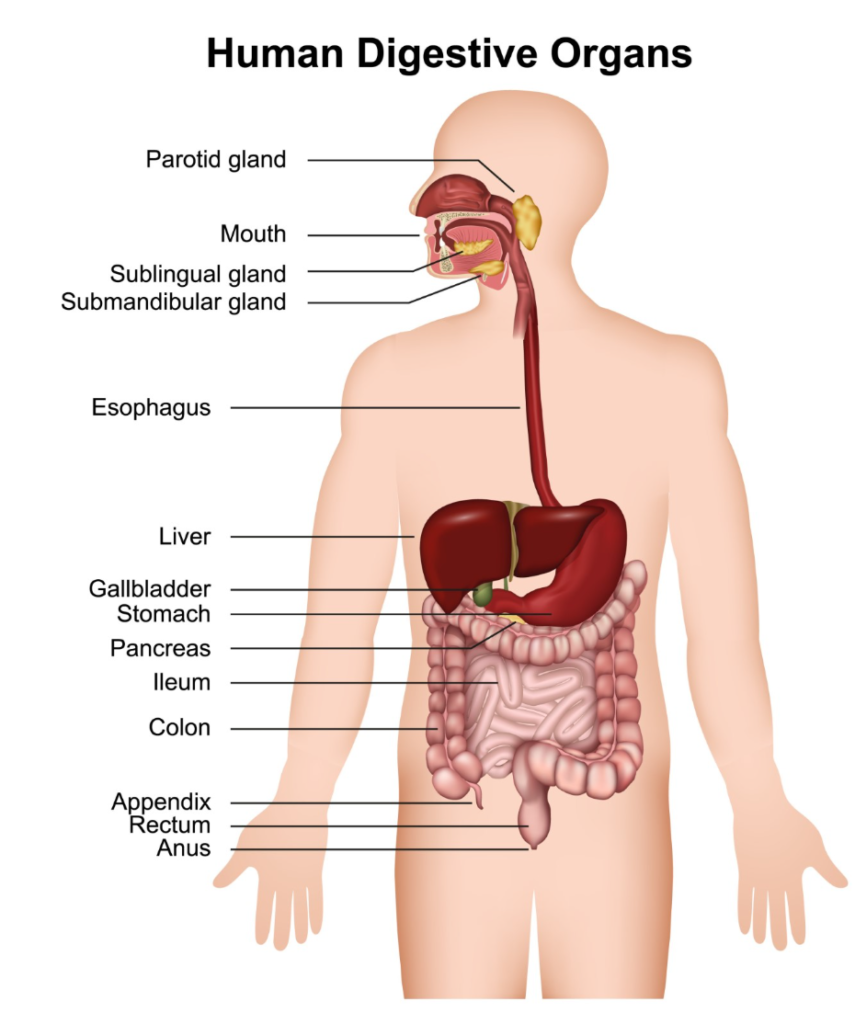
In addition to the physical strain, liquid stools often contain a higher concentration of digestive enzymes and bile salts. Because the waste moves quickly through the digestive system, these substances do not have enough time to be neutralised or absorbed. When they come into contact with the anal lining, they can cause significant chemical irritation and inflammation. This process weakens the integrity of the skin, making it much more likely to split during subsequent bowel movements.
Irritation and the Role of Hygiene
The physical act of cleaning the area frequently during bouts of diarrhoea can further compromise the integrity of the anal skin. Frequent wiping with dry toilet paper creates friction, which can lead to micro-traumas and soreness around the anal opening. This soreness often develops into a full fissure if the skin is repeatedly disturbed before it has a chance to repair itself.
Using certain products to manage hygiene during diarrhoea can also be problematic. Many scented wet wipes or soaps contain alcohol and fragrances that strip the skin of its natural protective oils. Without these oils, the skin becomes dry and less elastic, which increases the risk of a tear. Healthcare professionals in the UK recommend using plain water or fragrance-free, alcohol-free wipes and patting the area dry gently rather than rubbing to protect the delicate anal mucosa.
Understanding the Symptoms
The symptoms of a fissure caused by diarrhoea typically include sharp pain during bowel movements and bright red rectal bleeding. While the stool itself is loose, the act of passing it over an open tear triggers a stinging or burning sensation. This pain can sometimes persist as a dull ache for several hours after using the toilet, often caused by the internal anal sphincter muscle going into a spasm.
The National Institute for Health and Care Excellence provides guidelines on managing anal fissures by focusing on stool consistency and muscle relaxation to promote healing. Patients may notice bright red blood on the toilet paper or as streaks in the stool. It is important to distinguish these symptoms from other conditions like haemorrhoids, which are swollen veins. While haemorrhoids can also cause bleeding, they are often less painful than a fissure, especially if the haemorrhoids are internal.
Comparing Constipation and Diarrhoea as Causes
The following table compares how these two different bowel habits contribute to the formation of an anal tear.
| Feature | Constipation-Related Fissure | Diarrhoea-Related Fissure |
| Primary Trigger | Sudden stretching by hard stool | Repetitive stretching and irritation |
| Tissue Impact | Mechanical trauma | Chemical erosion and maceration |
| Pain Quality | Sharp, cutting sensation | Burning, stinging, or raw sensation |
| Wiping Impact | Minimal during the event | High due to frequency of cleaning |
| Muscle Tone | Often linked to high resting tone | Can lead to secondary spasms |
Conservative Management and Healing
Managing a fissure caused by diarrhoea involves protecting the skin, maintaining gentle hygiene, and allowing the anal sphincter to relax. The primary goal is to provide a stable environment for the skin to knit back together. In the UK, sitz baths are frequently recommended, which involve soaking the perianal area in plain warm water for ten to fifteen minutes several times a day. This helps the internal muscles to relax and improves blood flow to the site of the injury.
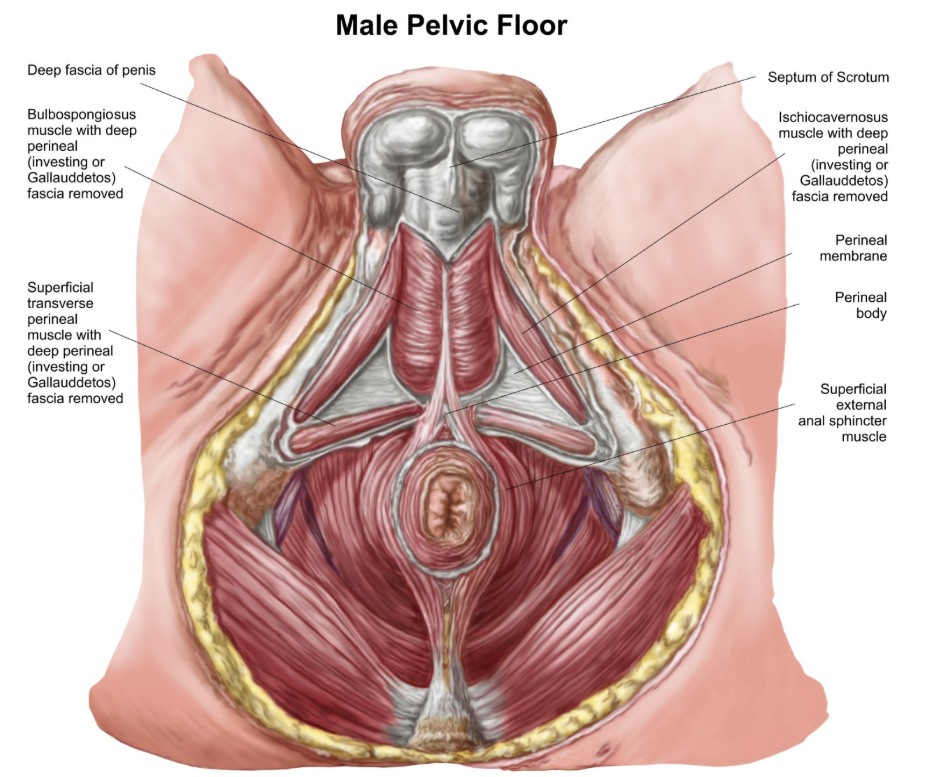
After a bowel movement, it is essential to keep the area clean and dry. Applying a plain barrier ointment, such as petroleum jelly, can provide a physical shield that protects the fissure from the chemical irritation of the next loose stool. This barrier reduces the stinging sensation and prevents the edges of the tear from being irritated by bile salts. Most acute fissures will show significant improvement within a few weeks if these protective measures are used consistently.
When to Seek Medical Advice
A medical review is necessary if the pain is severe or if the symptoms do not improve after two weeks of home care. A GP can usually diagnose an anal fissure by looking at the area or performing a gentle internal examination to check for other conditions. If a fissure lasts longer than six weeks, it is classified as a chronic fissure, which may require specialised medicated creams to help the anal muscles relax and restore circulation to the wound.
It is also vital to investigate the underlying cause of persistent or recurrent diarrhoea. If loose stools are accompanied by weight loss, severe abdominal pain, or blood that is dark or mixed into the stool, a clinician may need to rule out other conditions such as inflammatory bowel disease. Addressing the root cause of the digestive upset is the most effective way to prevent the recurrence of anal tears and ensure long-term rectal health.
Conclusion
Diarrhoea is a recognised trigger for anal fissures due to the combination of chemical irritation and repetitive tissue strain. While distressing, most cases resolve with a focus on skin protection and gentle hygiene. Maintaining a stable digestive transit is the best way to prevent recurrence and support the natural repair of the anal lining. If you experience severe, sudden, or worsening symptoms, call 999 immediately.
Why does it sting more when I have diarrhoea and a fissure?
The stinging occurs because the digestive enzymes and bile salts in loose stools come into direct contact with the sensitive nerves of the tear.
Can I use standard baby wipes if I have a fissure?
It is best to only use wipes that are specifically alcohol-free and fragrance-free to avoid drying out the skin and making the tear worse.
How long does a fissure caused by diarrhoea take to heal?
Most acute fissures take between four and six weeks to heal completely, provided the area is protected and stools return to a normal consistency.
Are there specific creams for diarrhoea-related fissures?
Barrier creams are useful for protection, while local anaesthetic creams can be used for a short period to manage sharp pain during bowel movements.
Can children get anal fissures from diarrhoea?
Yes, children are susceptible to fissures from frequent loose stools, often requiring a focus on gentle cleaning and protecting the skin with ointment.
Should I avoid certain foods while a fissure is healing?
It is helpful to avoid foods that irritate the gut, such as caffeine or very spicy foods, to help stabilise bowel movements.
Authority Snapshot (E-E-A-T)
This medical education content provides accurate, evidence-based information regarding the link between diarrhoea and anal fissures for the UK public. The material is developed by a professional medical writing team and reviewed by Dr. Stefan Petrov, a UK-trained physician with experience in general medicine, surgery, anaesthesia, ophthalmology, and emergency care. All information provided is strictly aligned with the clinical standards and diagnostic pathways provided by the NHS and the National Institute for Health and Care Excellence (NICE).



