




While an anal fissure is a physical injury, psychological stress can act as an indirect contributing factor by altering bowel habits and increasing muscle tension in the pelvic region. Stress affects the body through the autonomic nervous system, which governs involuntary functions such as digestion and muscle tone. When a person is under significant pressure, the resulting physiological changes can lead to conditions like constipation or increased anal sphincter pressure, both of which are primary triggers for a tear in the anal lining. Addressing the connection between mental wellbeing and physical health is a key component of a comprehensive approach to managing and preventing recurrent fissures within the United Kingdom.
What We’ll Discuss in This Article
- The link between the nervous system and digestive regularity
- How stress-induced constipation causes mechanical trauma to the anal canal
- The relationship between emotional tension and increased anal sphincter tone
- The impact of stress on the body’s natural tissue repair mechanisms
- Breaking the cycle of pain and involuntary muscle spasms
- Evidence-based lifestyle adjustments to support recovery
Stress and Digestive Transit Changes
Stress contributes to the development of anal fissures primarily by disrupting normal digestive transit times, which can lead to the passage of hard or difficult stools. The gut and the brain are closely linked through the enteric nervous system, often referred to as the gut-brain axis. During periods of high stress, the body’s “fight or flight” response may divert energy away from the digestive system, causing gut motility to slow down significantly.
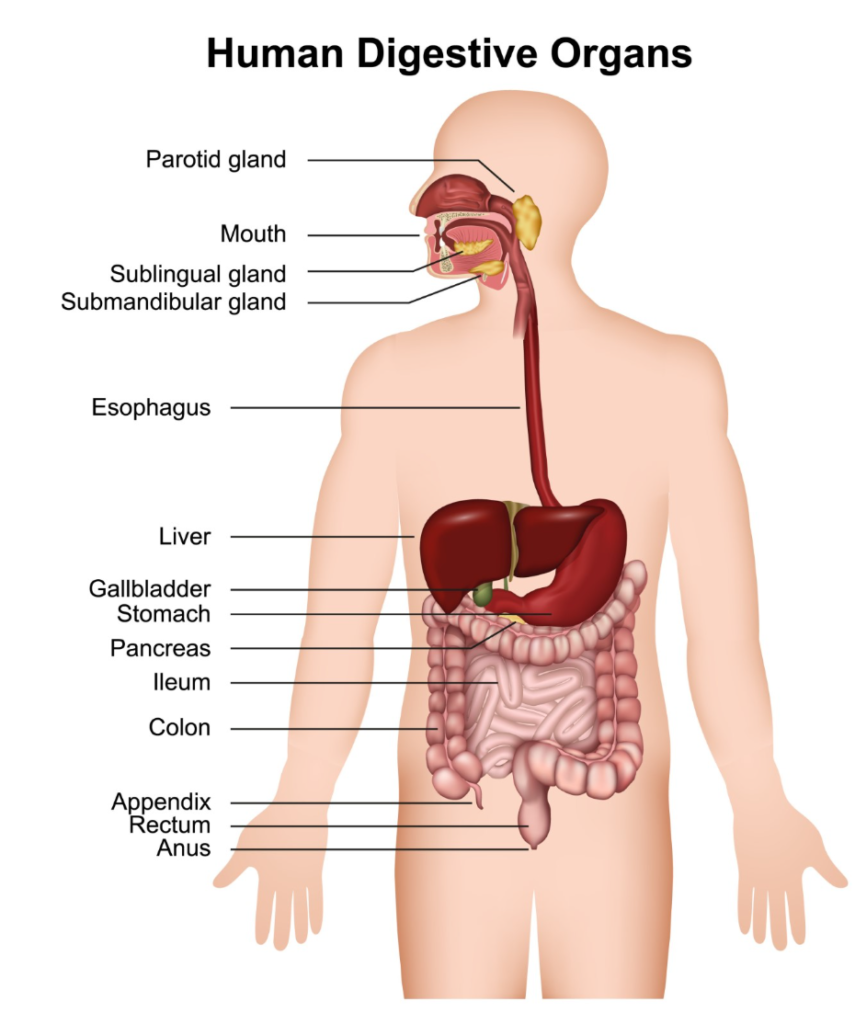
When bowel movements are delayed, the colon reabsorbs more water from the waste, resulting in constipation and the formation of hard, dry stools. An anal fissure is a small tear in the lining of the anus, and it is most commonly caused by constipation when a person passes a large or hard stool. The mechanical force required to pass such a stool can overstretch the delicate anal mucosa, leading to an acute tear. Conversely, stress can sometimes cause rapid transit and diarrhoea, which involves frequent wiping and chemical irritation, both of which also weaken the anal lining and increase the risk of a split.
Impact of Stress on Anal Sphincter Tone
Psychological stress can lead to increased resting pressure in the internal anal sphincter muscle, making the anal canal less elastic and more prone to injury. The internal anal sphincter is a smooth muscle that remains under involuntary control, and its tension levels are influenced by the body’s overall level of autonomic arousal. In individuals experiencing chronic anxiety or stress, this muscle can become hypertonic, meaning it remains partially contracted even when at rest.
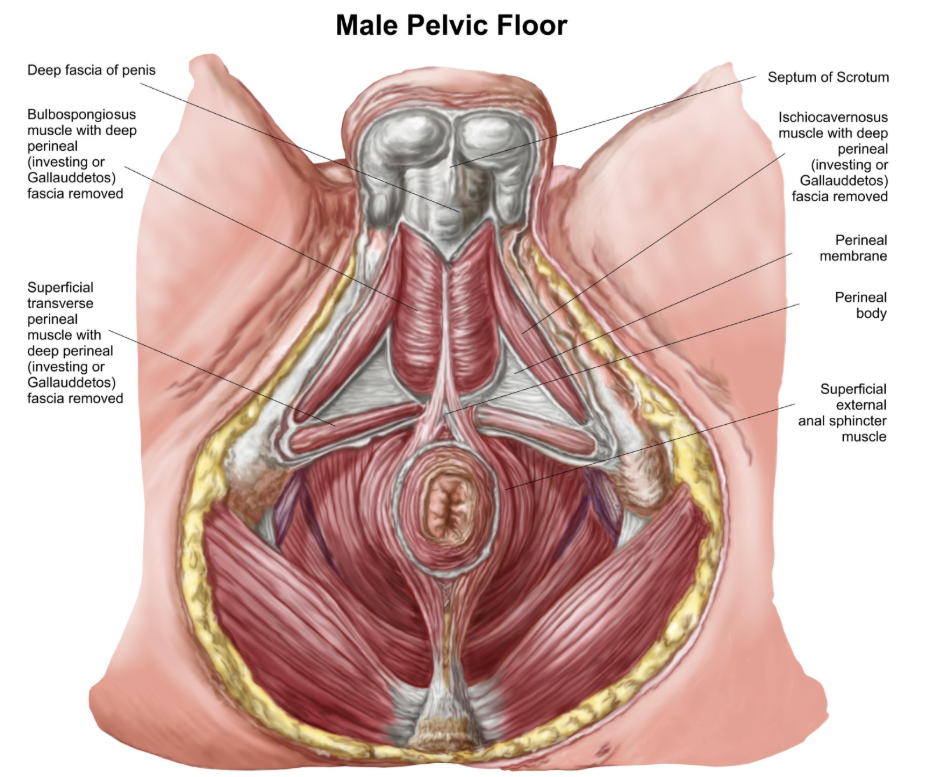
A tight sphincter muscle makes it more difficult for the anal canal to expand comfortably during a bowel movement, increasing the likelihood of a tear even with relatively normal stools. The National Institute for Health and Care Excellence notes that high anal sphincter pressure is a significant factor in the development of chronic fissures and the pain that accompanies them. Furthermore, once a tear has occurred, the increased muscle tension restricts blood flow to the area, creating a condition known as ischaemia. Without adequate oxygen and nutrients delivered via the blood, the body’s ability to knit the mucosal tissue back together is compromised, often turning a simple acute fissure into a persistent chronic issue.
The Cycle of Pain and Psychological Distress
The intense pain caused by an anal fissure can create a self-reinforcing cycle where the physical injury leads to further stress and muscle tension, preventing the wound from healing. When a person anticipates the sharp, stinging pain of a bowel movement, they may subconsciously experience “toilet anxiety.” This emotional response can lead to the postponement of bowel movements, which allows the stool to become even harder and more abrasive, worsening the injury when it is eventually passed.
The body responds to the pain of a fissure by triggering further involuntary spasms of the anal sphincter. These spasms are not only painful but also perpetuate the lack of blood flow to the site of the injury. Breaking this cycle often requires a combination of physical treatments to soften the stool and relaxation techniques to lower the resting tone of the pelvic muscles. Management strategies in the UK often include warm sitz baths to help the muscles relax and improve local circulation, which addresses both the physical spasm and the psychological tension associated with the condition.
Stress and the Body’s Healing Capacity
Chronic stress can impair the immune system and slow down the biological processes required for tissue regeneration and repair. When the body is under prolonged stress, it produces higher levels of cortisol, a hormone that can interfere with the inflammatory phase of wound healing. For an anal fissure to heal, the body must produce new skin cells to bridge the tear, a process that is most efficient when the body is in a state of rest and repair.
In a high-stress environment, the body’s resources are often redirected elsewhere, which can lead to a prolonged recovery time for even minor mucosal injuries. This may explain why some individuals find their symptoms recur or worsen during particularly demanding periods of their lives. Anal fissures often get better within a few weeks with simple treatments, but they can become chronic if the underlying causes, such as muscle spasms or poor blood flow, are not addressed. Ensuring adequate rest and managing systemic stress levels can therefore provide a more favourable physiological background for the healing of the anal canal.
Conclusion
Stress is an indirect but significant factor that can contribute to the formation and persistence of anal fissures by altering bowel habits and increasing pelvic muscle tension. By understanding the link between emotional wellbeing and digestive regularity, individuals can better manage the mechanical and physiological triggers of anal tears. A combined approach focusing on soft stools, gentle hygiene, and muscle relaxation offers the best pathway for recovery. If you experience severe, sudden, or worsening symptoms, call 999 immediately.
Does stress cause anal fissures directly?
Stress does not cause the tear directly, but it triggers physiological changes like constipation and muscle spasms that lead to the injury.
Can relaxation techniques help a fissure heal?
Yes, methods that reduce overall body tension can help relax the anal sphincter, improving the blood flow necessary for tissue repair.
Why does the pain feel worse when I am stressed?
Stress can increase your sensitivity to pain and cause the anal muscles to contract more tightly, making the sharp sensation of a fissure feel more intense.
Is toilet anxiety common with this condition?
It is very common for people to fear going to the toilet due to the sharp pain, which often leads to further constipation and straining.
Can a fissure return if I get stressed again?
Recurrence is possible if stress leads to a return of constipation or high muscle tension, so maintaining healthy bowel habits is essential.
How does a warm bath help with stress-related fissures?
A warm sitz bath helps the internal anal muscles to relax involuntarily, which counters the tension caused by stress and improves healing circulation.
Will my fissure go away once the stress stops?
Reducing stress helps, but you must also ensure your diet is high in fibre and you are well-hydrated to allow the physical tear to heal.
Authority Snapshot (E-E-A-T)
This medical content is designed to provide accurate and evidence-based information for the UK public regarding the impact of stress on anal fissures. The material is developed by a professional medical writing team and reviewed by Dr. Stefan Petrov, a UK-trained physician with experience in general medicine, surgery, and emergency care. All information provided is strictly aligned with the clinical standards and diagnostic pathways provided by the NHS and the National Institute for Health and Care Excellence (NICE).



