




An anal fissure is a common yet painful condition that involves a small tear in the lining of the anal canal, and the time required for healing depends significantly on whether the injury is acute or chronic. For many individuals, a new or “acute” fissure will resolve through the body’s natural repair mechanisms once the primary cause of the trauma, such as constipation, is addressed. However, because the anal canal is used daily for the passage of waste, the healing process is frequently subject to repetitive mechanical stress and involuntary muscle tension. Achieving a full recovery requires a consistent approach to bowel health and local hygiene to ensure the delicate mucosal tissue can knit back together without further disruption.
What We’ll Discuss in This Article
- The standard recovery window for acute anal fissures
- Differences between acute and chronic healing cycles
- The role of dietary fibre and hydration in tissue repair
- How anal sphincter spasms impact the speed of recovery
- Factors that can delay or interrupt the healing process
- Clinical pathways for non-healing or chronic tears
The Recovery Timeline for Acute Anal Fissures
Most acute anal fissures will heal within four to six weeks if the environment of the anal canal is kept conducive to tissue repair. An acute fissure is defined as a fresh tear that has been present for less than six weeks and typically appears as a shallow, linear split in the anal lining. During the first few days of recovery, the focus of the body is on reducing inflammation and initiating the formation of new skin cells to bridge the gap in the mucosa.
An anal fissure is a small tear in the lining of the anus, and most will heal within a few weeks with simple self-care treatments. Successful healing in this timeframe is heavily dependent on avoiding any further mechanical trauma. If stools are kept soft and the act of passing waste does not require straining, the fissure can remain undisturbed long enough for the skin to stabilise. For many patients, the sharpest pain begins to subside within the first week of improved bowel habits, although the physical tear remains vulnerable for several weeks more.
Understanding the Challenges of Chronic Fissures
When an anal fissure has not healed after six weeks, it is classified as chronic, and the recovery timeline becomes less predictable without specific clinical intervention. Chronic fissures often develop because of a persistent cycle of pain and muscle tension that prevents the body from completing the repair process. Over time, a chronic fissure may develop thickened edges, and the underlying muscle fibres of the internal anal sphincter may become visible at the base of the wound.
The National Institute for Health and Care Excellence provides structured guidance on the management of anal fissures, categorising them as chronic if symptoms persist beyond six weeks. In these cases, the body’s natural healing capacity is often hindered by restricted blood flow to the area. Chronic fissures frequently require a different management approach, often involving medicated ointments that target the internal muscles to improve the conditions for healing. The recovery for a chronic fissure can extend for several months, and the structural changes in the tissue may make the area more prone to future injury if long-term bowel health is not maintained.
Factors That Influence the Speed of Healing
The speed at which an anal fissure heals is determined by a combination of stool consistency, local circulation, and the level of mechanical stress placed on the anal canal. Because the anal lining is thin and delicate, it requires an environment that is clean, well-perfused with blood, and free from abrasive friction. Several specific factors can either accelerate or significantly delay the recovery process.
- Stool Consistency: Hard or large stools act as a repetitive abrasive force that re-opens the healing tear during every bowel movement.
- Anal Sphincter Spasms: Intense pain can cause the internal anal sphincter to contract involuntarily, which restricts the blood flow necessary for tissue repair.
- Hydration Levels: Insufficient water intake leads to dry waste, which increases the friction against the mucosal lining.
- Hygiene Practices: Keeping the area clean with plain water prevents secondary irritation from waste matter or chemical-laden wipes.
- Pelvic Pressure: Excessive straining or heavy lifting can increase the internal pressure in the rectum, potentially aggravating the tear.
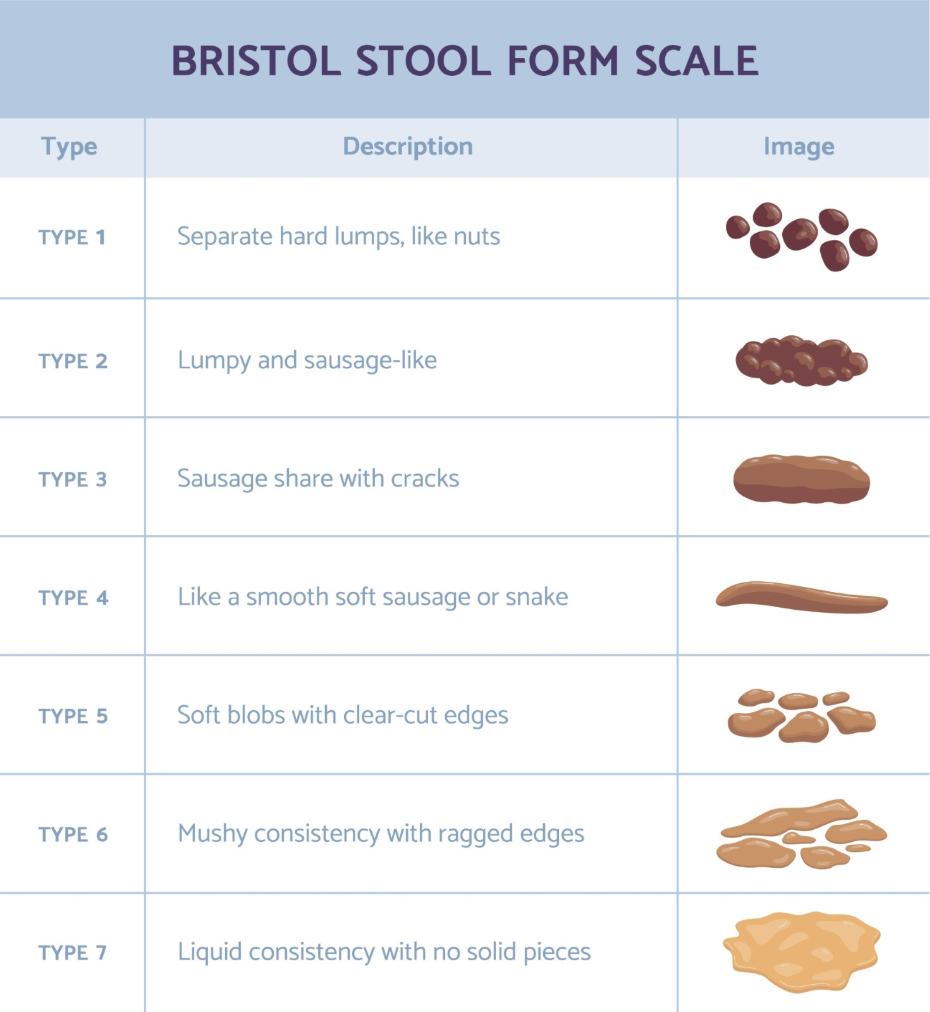
By addressing these factors simultaneously, individuals can create a stable environment that supports the body’s natural regenerative processes. Consistency is key, as a single episode of constipation during the recovery phase can reset the healing timeline by several weeks.
The Role of Blood Flow and Ischaemia
Healing an anal fissure is essentially a process of wound management, and adequate blood flow is the most critical biological requirement for tissue regeneration. The posterior midline of the anal canal, where the majority of fissures occur, naturally has a lower blood supply than other parts of the anal canal. This anatomical feature makes the area particularly susceptible to a condition called ischaemia, where the tissue is starved of the oxygen and nutrients it needs to heal.
When a fissure causes sharp pain, the internal anal sphincter muscle often goes into a state of chronic spasm. This spasm increases the resting pressure in the anal canal, which further compresses the small blood vessels supplying the lining. This creates a “non-healing” environment where the tissue remains weak and unable to knit together. Many clinical management strategies focus on breaking this cycle of spasm and ischaemia to restore the circulation required for permanent repair.
Comparison of Acute vs Chronic Healing Characteristics
The following table distinguishes the typical features and recovery expectations for the two primary stages of anal fissures.
| Feature | Acute Anal Fissure | Chronic Anal Fissure |
| Duration | Less than 6 weeks | More than 6 weeks |
| Typical Healing Time | 4 to 6 weeks | Variable; often months |
| Visual Appearance | Shallow, fresh “paper cut” | Deep tear with thickened edges |
| Associated Features | None | Skin tags or nodes may form |
| Primary Management | Fibbre, water, and warm soaks | Medicated ointments or procedures |
| Recurrence Risk | Low with good habits | Higher due to structural changes |
Clinical Pathways for Non-Healing Tears
If an anal fissure has not shown significant improvement after several weeks of conservative management, clinical guidance suggests moving to more targeted treatments. In the United Kingdom, healthcare professionals follow established protocols to manage chronic fissures that are resistant to simple dietary changes. These interventions are designed to relax the anal muscles and improve the local environment for the skin to recover.
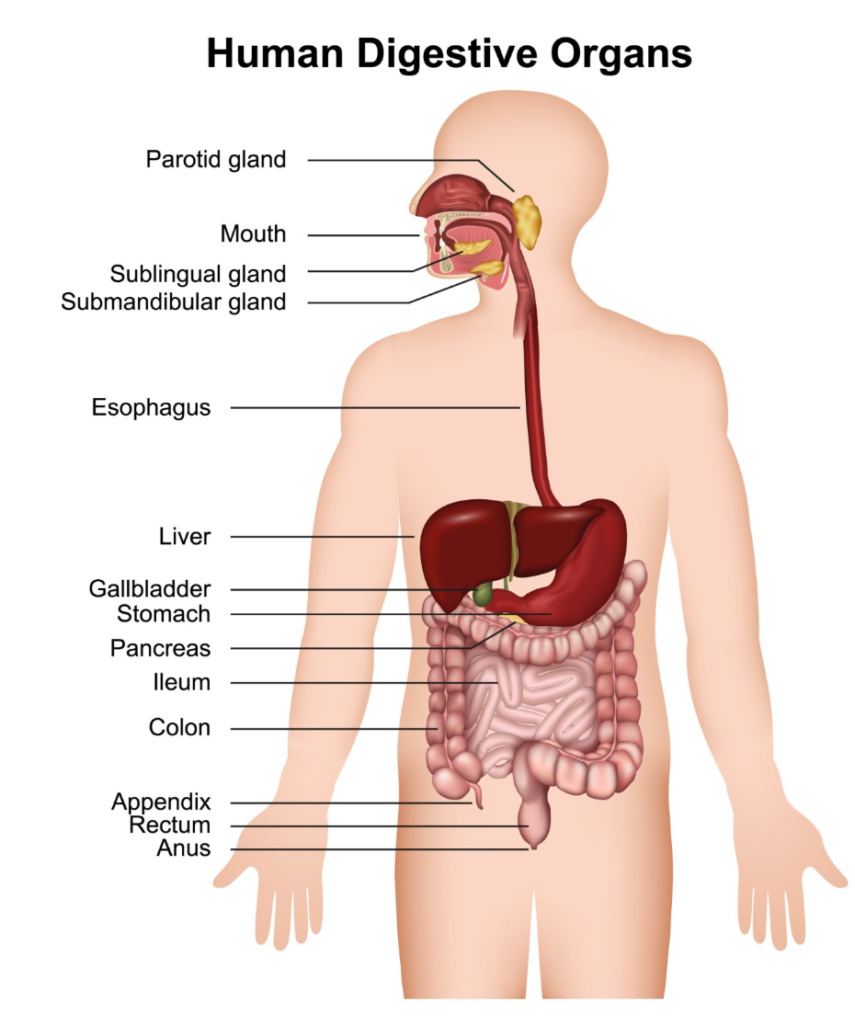
Medicated ointments prescribed by a clinician often work by relaxing the smooth muscle of the anal canal. By reducing the resting pressure of the anal sphincter, these treatments alleviate the pain of spasms and allow blood to flow more freely to the site of the tear. While these treatments are effective, they often require a consistent application for six to eight weeks to achieve a full resolution. In a small number of cases where medications do not lead to healing, a referral to a specialist may be made to discuss other options for reducing muscle tension and encouraging permanent tissue repair.
Conclusion
Most acute anal fissures heal within four to six weeks if stools are kept soft and the anal muscles are allowed to relax. However, the process can be easily interrupted by constipation or muscle spasms, which may lead to the condition becoming chronic. Maintaining high levels of hydration and dietary fibre is the most effective way to support the natural repair of the anal lining. If you experience severe, sudden, or worsening symptoms, call 999 immediately.
Can I speed up the healing of an anal fissure?
The most effective way to support fast healing is to strictly maintain soft stools through a high-fibre diet and stay hydrated to avoid any further mechanical trauma.
Why does my fissure feel better and then hurt again?
This often happens if a healing tear is re-injured by a single hard stool or an episode of straining, which can reset the recovery process.
Do sitz baths really help with healing?
Yes, soaking in plain warm water helps relax the anal sphincter muscle, which improves blood flow to the tear and relieves the pain of muscle spasms.
How do I know if my fissure has finally healed?
A healed fissure will no longer cause sharp pain or bleeding during bowel movements, and the anal area should feel comfortable during normal activities.
Will a chronic fissure heal without surgery?
Many chronic fissures heal successfully with specialised medicated creams that relax the anal muscles, although it requires patience and consistent care.
Is it normal to see blood on the tissue while it is healing?
Minor spotting can occur if the healing tissue is slightly stretched, but any persistent or heavy bleeding should be reviewed by a professional.
Can exercise affect how long it takes to heal?
Gentle exercise like walking is beneficial for bowel regularity, but activities that involve heavy straining or lifting can increase pressure and delay recovery.
Authority Snapshot (E-E-A-T)
This medical education content provides evidence-based information regarding the healing timeline of anal fissures for the UK public. The material is developed by a professional medical writing team and reviewed by Dr. Stefan Petrov, a UK-trained physician with experience in general medicine, surgery, and emergency care. All information provided is strictly aligned with the clinical standards and diagnostic protocols provided by the NHS and the National Institute for Health and Care Excellence (NICE).



