




Rectal bleeding is one of the most common clinical signs associated with haemorrhoids and often serves as the primary indicator that the vascular cushions in the anal canal have become swollen or inflamed. While the sight of blood can be distressing, bleeding caused by haemorrhoids is typically bright red and occurs in small amounts during or immediately after a bowel movement. Understanding the mechanics of why these vessels bleed and distinguishing this from other causes of gastrointestinal bleeding is an essential part of managing digestive health and knowing when a professional medical evaluation is required.
What We’ll Discuss in This Article
- The physiological reasons why haemorrhoidal tissues bleed
- Distinguishing between internal and external haemorrhoid bleeding
- Characteristics of bright red blood versus darker gastrointestinal blood
- Common triggers that lead to bleeding episodes
- Management strategies to reduce irritation and vascular pressure
- National clinical guidelines for investigating rectal symptoms
Why Haemorrhoids Lead to Rectal Bleeding
Haemorrhoids cause bleeding because the blood vessels within the anal cushions become engorged and their thin walls are easily traumatised by the passage of stool. These cushions are a normal part of the anal anatomy, consisting of a network of small arteries and veins that help maintain bowel continence. When increased pressure in the rectum causes these vessels to swell, the overlying lining becomes stretched and fragile, making it susceptible to minor tears or abrasions during a bowel movement.
The act of straining to pass a stool increases the internal pressure within these vascular clusters, which can cause them to rupture and release a small amount of fresh blood. The symptoms of piles often include bright red blood after you poo, which may be noticed on the toilet paper or in the toilet bowl. Because the blood comes directly from the vessels in the anal canal and has not been processed through the digestive system, it retains its vivid red colour. While the volume of blood may appear significant when mixed with water in the toilet, it is usually a relatively small amount of superficial bleeding.
Internal vs External Haemorrhoid Bleeding
Bleeding is most frequently associated with internal haemorrhoids because the delicate mucous membrane covering them is more easily damaged than the tougher skin covering external ones. Internal haemorrhoids originate above the dentate line in the anal canal, where the lining is designed for secreting mucus rather than resisting friction. This tissue can easily bleed even with minor straining, often without causing any physical pain due to the lack of sharp pain receptors in that specific region.
External haemorrhoids, located under the skin around the anal opening, are less likely to bleed unless the skin becomes severely irritated or a specific complication occurs. Haemorrhoids, also known as piles, are swollen veins in the anus and lower rectum, and they can bleed if the surface becomes broken or if a blood clot forms within them. If an external haemorrhoid becomes thrombosed (develops a clot), the skin may eventually break, leading to the discharge of dark, clotted blood. However, the classic presentation of “piles bleeding” almost always refers to the bright red, painless spotting associated with internal vascular swelling.
Characteristics of the Blood and When It Occurs
The timing and appearance of the blood provide important clues to healthcare professionals during a clinical assessment. In the case of haemorrhoids, the blood is typically noticed separately from the stool rather than being mixed deep within it. It may appear as a streak on the outside of the waste matter, a few drops in the toilet bowl, or as a stain on the toilet tissue after wiping.
| Feature | Haemorrhoidal Bleeding | Upper GI/Deep Bowel Bleeding |
| Colour | Bright red | Dark red, maroon, or black |
| Consistency | Liquid and fresh | May be sticky, tarry, or mixed with stool |
| Pain | Usually painless (if internal) | May be associated with abdominal pain |
| Timing | During or after bowel movements | Can occur independently of movements |
The bright red colour indicates that the source of the bleeding is very close to the exit of the digestive tract. If blood originates higher up in the colon or stomach, it is partially digested or oxidised by the time it is expelled, resulting in a much darker or even black, tarry appearance. Any blood that is dark, maroon, or mixed thoroughly with the stool requires a different clinical pathway for investigation.
Triggers for Haemorrhoidal Bleeding
The most common trigger for bleeding is constipation and the associated straining required to pass hard stools. When an individual exerts force, the pelvic veins become congested, and the hard stool acts as an abrasive surface against the swollen haemorrhoidal tissue. Diarrhoea can also cause bleeding due to the frequent wiping and the chemical irritation of the anal lining caused by loose stools.
Lifestyle factors such as prolonged sitting on the toilet can also exacerbate the condition by encouraging blood to pool in the anal cushions, making them more likely to bleed during the next bowel movement. Heavy lifting or intense physical exertion can cause sudden spikes in intra-abdominal pressure that impact these fragile vessels. Identifying these triggers is the first step in managing the frequency of bleeding episodes through lifestyle and dietary modifications.
Managing Bleeding Through Lifestyle and Care
Reducing the frequency of bleeding involves lowering the pressure on the anal veins and ensuring that stools are soft and easy to pass. A high-fibre diet is the cornerstone of management, as it adds bulk to the stool and retains moisture. It is generally recommended to increase fibre intake gradually from sources such as whole grains, fruits, and vegetables, while ensuring a high intake of water to prevent the fibre from causing further constipation.
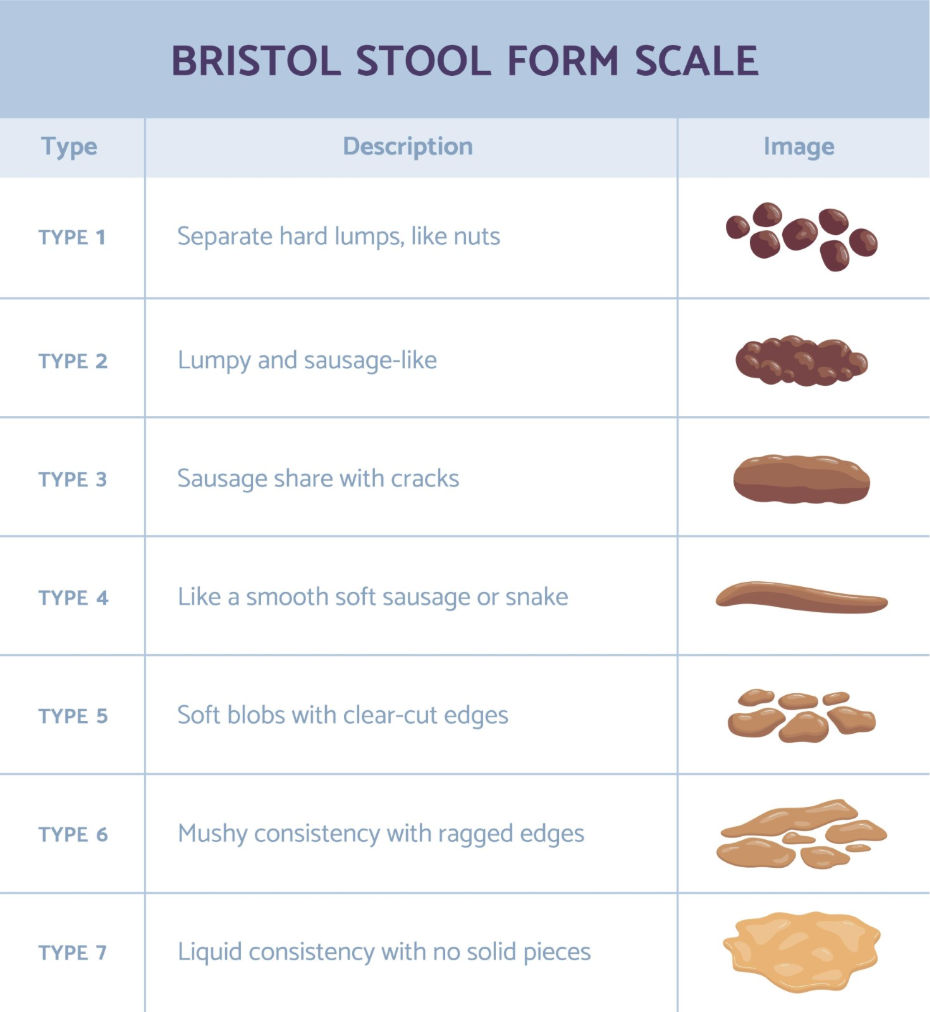
In addition to dietary changes, adopting better bathroom habits can significantly reduce the risk of bleeding. Responding to the urge to pass a bowel movement immediately and avoiding prolonged straining can prevent unnecessary vascular pressure. Over-the-counter creams or ointments may be used to soothe the area and reduce inflammation, but these are intended for short-term symptomatic relief. The National Institute for Health and Care Excellence provides guidelines for the management of haemorrhoids, emphasising that lifestyle changes are the first line of treatment for reducing symptoms like bleeding.
When to Seek Medical Advice for Bleeding
While haemorrhoids are a common cause of rectal bleeding, it is essential to have any new or persistent bleeding assessed by a healthcare professional to confirm the diagnosis. A clinical review is particularly important for individuals over the age of 40 or those who have a family history of gastrointestinal conditions. This ensures that the symptoms are accurately attributed to benign haemorrhoids and that more serious issues, such as inflammatory bowel disease or colorectal tumours, are excluded.
Specific indicators that require a professional review include:
- A persistent change in bowel habit lasting more than three weeks
- Unintentional weight loss or persistent fatigue
- Blood that is dark in colour or mixed within the stool
- Abdominal pain or a feeling of incomplete evacuation
- A lump in the anal area that is persistent or very painful
Healthcare providers may perform a physical examination or a proctoscopy to directly visualise the anal canal. These tests are straightforward and help ensure that the management plan is appropriate for the individual’s needs.
Conclusion
Haemorrhoids are a frequent cause of bright red rectal bleeding, usually resulting from the trauma of passing stool against swollen and fragile vascular cushions. While this symptom is often manageable through dietary fibre, hydration, and improved bowel habits, it is important to differentiate it from other types of gastrointestinal bleeding. A professional clinical assessment is recommended for any new occurrence of blood to confirm the source and ensure overall digestive health. If you experience severe, sudden, or worsening symptoms, call 999 immediately.
Is it normal for piles to bleed every time I go to the toilet?
While common during a flare-up, persistent bleeding with every bowel movement should be assessed by a professional to ensure the diagnosis is correct.
Can stress cause haemorrhoids to bleed?
Stress can lead to changes in bowel habits and digestive transit time, which may result in constipation and the straining that triggers bleeding.
Does a lot of blood always mean the problem is serious?
Not necessarily, as a small amount of blood in the toilet bowl water can appear more significant than it is, but all bleeding requires a medical review.
Should I stop eating fibre if my piles are bleeding?
No, you should continue to eat fibre but ensure you drink plenty of fluids; fibre makes stools softer, which reduces the trauma to the haemorrhoids.
Can exercise make the bleeding worse?
Gentle exercise like walking is helpful, but heavy weightlifting or high-impact activities can increase pelvic pressure and potentially trigger bleeding.
Why is the blood from haemorrhoids bright red?
The blood is fresh and has not been exposed to digestive acids or bacteria in the upper gut, which would otherwise turn it darker.
Will the bleeding stop on its own?
In many cases, minor bleeding will stop once the stool is softened and the initial irritation subsides, though the underlying haemorrhoids may remain.
Authority Snapshot (E-E-A-T)
This medical education content is designed to provide accurate, evidence-based information for the UK public regarding haemorrhoids and rectal bleeding. The material is developed by a professional medical writing team and reviewed by Dr. Rebecca Fernandez, a UK-trained physician with extensive experience in general surgery, internal medicine, and acute care. All information is strictly aligned with the clinical standards and diagnostic pathways provided by the NHS and the National Institute for Health and Care Excellence (NICE).



