




Abdominal and rectal discomfort caused by haemorrhoids often manifests as persistent itching or a raw, aching soreness around the anal area. These sensations occur due to a combination of physical irritation from prolapsed tissue, the chemical impact of mucus on sensitive skin, and the high density of pain-sensing nerves in the external anal canal. While haemorrhoids are a common vascular condition, understanding the physiological mechanisms behind these specific symptoms can help in choosing the correct management strategies and identifying when a more detailed clinical review is necessary to ensure digestive health.
What We’ll Discuss in This Article
- The role of mucus discharge in causing perianal itching
- Why external haemorrhoids are more sensitive to pain and soreness
- The impact of skin tags and hygiene habits on skin irritation
- Physiological changes leading to acute soreness and thrombosis
- How internal prolapse contributes to a cycle of discomfort
- Clinical recommendations for soothing irritated anal tissues
Mucus Irritation and the Mechanism of Itching
Haemorrhoids cause itching primarily when internal vascular cushions prolapse and leak mucus onto the sensitive skin surrounding the anal opening. Internal haemorrhoids are lined with the same type of mucous membrane that lines the rectum, which naturally produces fluid to assist with the passage of stool. When these haemorrhoids descend or protrude through the anus, this mucus comes into direct contact with the external skin, which is not designed to withstand constant moisture or the chemical enzymes present in rectal secretions.
This condition, often referred to as pruritus ani, creates a persistent urge to scratch as the skin becomes inflamed and macerated. The symptoms of piles often include bright red blood after you poo, an itchy anus, and feeling like you still need to poo after going to the toilet. The moisture can also trap small particles of waste matter against the skin, further escalating the irritation. Because the area is difficult to keep dry and clean when haemorrhoids are inflamed, the itching can become a self-sustaining cycle of skin breakdown and discomfort.
Nerve Distribution and the Sensation of Soreness
The degree of soreness felt depends largely on whether the haemorrhoids are located above or below the dentate line, which is the boundary between the internal rectum and the external anal canal. Internal haemorrhoids originate in an area supplied by visceral nerves, which are sensitive to pressure but do not transmit sharp pain signals. However, external haemorrhoids develop under the skin of the anal opening, which is supplied by somatic nerves. These nerves are highly sensitive to pain, touch, and temperature, similar to the nerves in the fingertips or other areas of the skin.
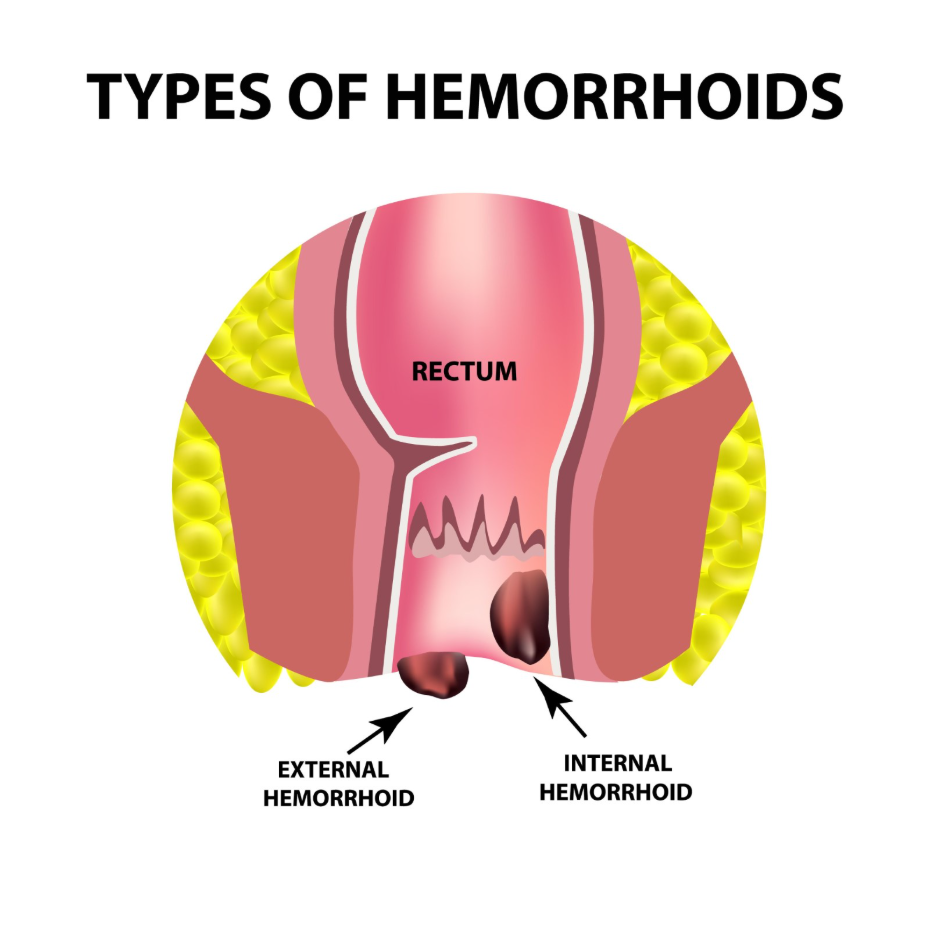
When external haemorrhoids become swollen or engorged, these somatic nerves send constant signals of soreness and tenderness to the brain. Activities that increase pelvic pressure, such as sitting for long periods, walking, or straining during bowel movements, can exacerbate this soreness by stretching the already inflamed skin. This distinct nerve distribution explains why some patients report only painless bleeding while others experience significant, localised aching and raw sensations that interfere with daily movement.
Impact of Prolapse and Skin Tags
Prolapse occurs when internal haemorrhoids stretch the connective tissues and slide down the anal canal, leading to a physical obstruction that can cause secondary soreness and irritation. As the haemorrhoids protrude, they can prevent the anal sphincter from closing completely, which allows for further leakage of mucus or minute amounts of stool. This constant exposure to moisture keeps the perianal skin in a state of chronic inflammation, making it feel raw and sore to the touch.
Over time, repeated episodes of swelling and healing can lead to the formation of anal skin tags. These are small flaps of excess skin that remain after a haemorrhoid has shrunk. While the skin tags themselves do not contain large blood vessels, they can make hygiene more difficult by trapping moisture and bacteria. This can lead to a secondary condition known as perianal dermatitis, where the skin becomes thickened, cracked, and persistently itchy. Maintaining gentle hygiene without excessive rubbing is vital to prevent these structural changes from causing long-term discomfort.
Acute Soreness and Thrombosis
A sudden escalation from mild soreness to intense, sharp pain usually indicates that a blood clot has formed within an external haemorrhoid, a condition known as thrombosis. In a thrombosed haemorrhoid, the blood within the swollen vein solidifies, causing the vessel to expand rapidly and put immense pressure on the overlying skin. Because the skin in this area cannot stretch easily, the result is a hard, bluish lump that is extremely tender.
A thrombosed haemorrhoid can cause sudden, severe pain and a hard lump around the anus that is very tender to the touch. The pain is typically constant and may be aggravated by any physical contact or the act of sitting. While the body eventually reabsorbs the clot over several weeks, the initial inflammatory response causes significant soreness. If the skin over the thrombus becomes too thin, it may rupture, leading to clotted bleeding and a reduction in pressure, but the underlying area remains sore until the inflammation fully subsides.
Comparison of Sensory Symptoms
The following table distinguishes between the causes of itching and soreness to clarify the source of the discomfort.
| Symptom | Primary Cause | Typical Sensation |
| Itching | Mucus leakage or moisture | Persistent urge to scratch; stinging |
| Dull Soreness | Engorged veins or pressure | Aching, especially after sitting or poo |
| Sharp Pain | Thrombosis (blood clot) | Sudden, intense, and throbbing |
| Raw Sensation | Skin breakdown/dermatitis | Burning or stinging during wiping |
Management of Irritation and Soreness
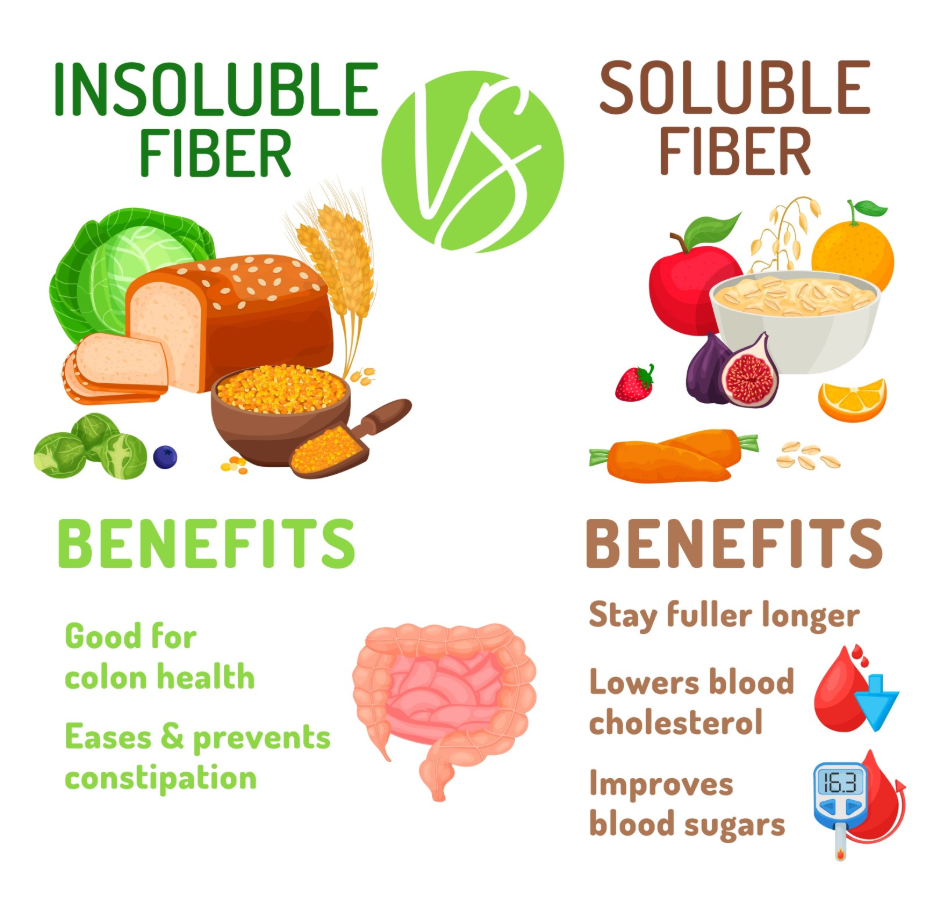
Managing the itching and soreness associated with haemorrhoids involves reducing the inflammation of the veins and protecting the perianal skin from moisture. Standard UK clinical advice focuses on softening the stool to prevent the straining that engorges the veins. The National Institute for Health and Care Excellence provides guidelines for the management of haemorrhoids, emphasising dietary fibre and lifestyle changes to reduce symptoms. A diet rich in whole grains, fruits, and vegetables, combined with adequate water intake, ensures that waste passes without causing further trauma to the anal canal.
For immediate relief of itching and soreness, the following conservative measures are often recommended:
- Using plain water to clean the area after bowel movements instead of scented wipes or harsh soaps.
- Patting the area dry gently rather than rubbing, which can damage the skin further.
- Wearing cotton underwear to allow the skin to breathe and reduce moisture buildup.
- Applying over-the-counter barrier creams or soothing ointments for short-term relief of inflammation.
- Using warm sitz baths (soaking the area in plain warm water) to relax the anal sphincter and improve blood flow.
Conclusion
Haemorrhoids itch or feel sore due to the irritation caused by mucus leakage on the perianal skin and the high sensitivity of the nerves in the external anal canal. While internal piles are often painless, their prolapse can trigger a cycle of moisture and skin breakdown that leads to significant discomfort. Most symptoms of itching and soreness respond well to improved hygiene and dietary changes that reduce the pressure on the rectal veins. If you experience severe, sudden, or worsening symptoms, call 999 immediately.
Why does my itching get worse at night?
Itching often feels more intense at night because there are fewer distractions, and the warmth of being in bed can increase blood flow and irritation in the anal area.
Can scented toilet paper cause anal itching?
Yes, the chemicals and fragrances in scented or dyed toilet paper can cause contact dermatitis, which exacerbates the itching already caused by haemorrhoids.
Is it safe to scratch the area if it itches severely?
Scratching should be avoided as it causes micro-tears in the skin, which can lead to infection, further inflammation, and a worsening of the itching cycle.
How long does the soreness from a thrombosed haemorrhoid last?
The most intense pain usually peaks within 48 to 72 hours, though the lump and mild soreness may take several weeks to disappear completely.
Can exercise make the soreness worse?
High-impact exercise or heavy lifting can increase pelvic pressure and worsen soreness, but gentle walking is usually helpful for maintaining regular bowel movements.
Why do haemorrhoids feel more sore after a bowel movement?
The passage of stool can irritate the swollen veins and stretch the sensitive skin, especially if the stool is hard or if you have had to strain.
Does weight loss help reduce haemorrhoid soreness?
Reducing excess body weight can lower the constant pressure on the pelvic and rectal veins, which may help prevent future swelling and soreness.
Authority Snapshot (E-E-A-T)
This medical education content is designed to provide accurate, evidence-based information for the UK public regarding the symptoms of haemorrhoids. The material is developed by a professional medical writing team and reviewed by Dr. Rebecca Fernandez, a UK-trained physician with extensive experience in general surgery, internal medicine, and acute care. All information is strictly aligned with the clinical standards and diagnostic pathways provided by the NHS and the National Institute for Health and Care Excellence (NICE).



