




Abdominal and rectal pressure often leads to the development of haemorrhoids, which are essentially swollen blood vessels located in the lower rectum and anus. These vascular structures are a natural part of human anatomy, designed to assist with bowel control, but they become problematic when they expand and form noticeable lumps. The sensation of a lump or physical swelling occurs because the connective tissues supporting these vessels stretch and weaken, allowing the veins to bulge outwards under the influence of increased internal pressure.
What We’ll Discuss in This Article
- The biological mechanism of vascular engorgement in the anal canal
- Differences between internal prolapse and external swelling
- The impact of connective tissue weakening on lump formation
- How blood clots lead to the development of a hard, painful thrombus
- The role of straining and pressure in maintaining physical distension
- When a persistent lump requires formal clinical investigation
The Mechanism of Vascular Engorgement
Haemorrhoids cause a lump primarily because the blood vessels in the anal cushions become filled with an excessive volume of blood, leading to physical expansion. These cushions are composed of a network of small arteries and veins that usually remain flat against the wall of the anal canal. When pressure in the pelvic region increases, blood flow into these vessels is maintained, but the return of blood back to the heart is restricted, causing the vessels to become engorged and congested.
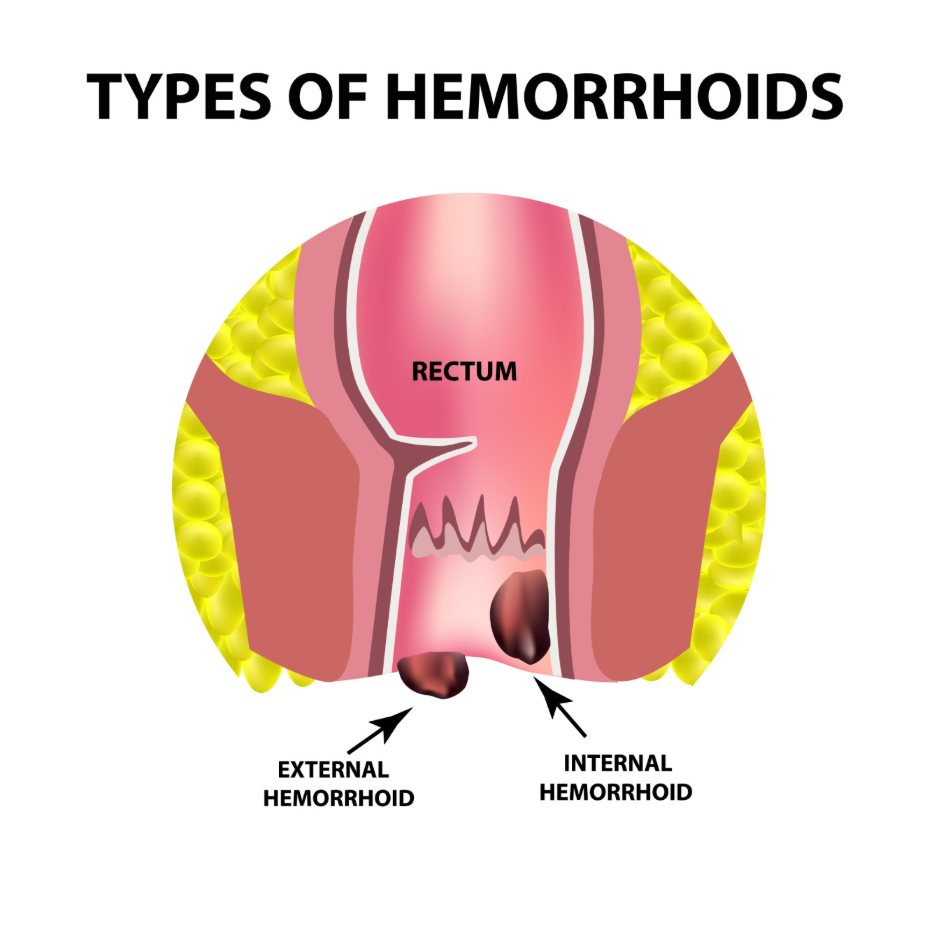
As the vessels fill, they push against the overlying lining or skin, creating a visible or palpable swelling. This process is similar to how varicose veins develop in the legs. Haemorrhoids are swollen veins in the anus and lower rectum, and they can develop due to increased pressure in the lower rectum. This engorgement is often temporary but can become a chronic issue if the underlying causes of pressure are not addressed.
Internal Haemorrhoids and the Sensation of Prolapse
Internal haemorrhoids cause a lump when they descend from their original position inside the rectum and protrude through the anal opening, a process known as prolapse. Because these haemorrhoids originate above the dentate line, they are covered by a mucous membrane that is not naturally designed to be outside the body. When they prolapse, they may feel like soft, moist, or grape-like lumps that can be felt while wiping or during a bowel movement.
The degree of swelling is often categorised by a grading system. Grade I haemorrhoids remain internal and cause no visible lump, while Grade IV haemorrhoids remain permanently outside and cannot be pushed back in. The National Institute for Health and Care Excellence provides guidelines on the management of haemorrhoidal disease, noting that prolapsed tissue can cause significant discomfort and hygiene challenges. The physical presence of this displaced tissue is what creates the sensation of a lump for many patients.
External Haemorrhoid Swelling and Nerve Sensitivity
External haemorrhoids cause swelling under the highly sensitive skin surrounding the anal opening, often appearing as a skin-coloured or slightly bluish lump. Unlike internal piles, external ones develop below the dentate line where the area is densely populated with pain-sensing nerves. When these veins swell, they stretch the overlying skin, which can lead to a persistent sense of fullness, itching, or soreness.
This type of swelling is often more noticeable during daily activities such as sitting or walking because of the direct pressure placed on the external lumps. The swelling can fluctuate in size depending on the amount of blood pooling in the area at any given time. Because the skin in this region is relatively tight, the expansion of the underlying vein is easily felt as a distinct, tender protrusion.
Thrombosis and the Development of a Hard Lump
A thrombosed haemorrhoid occurs when a blood clot forms inside a swollen external vein, resulting in a sudden, hard, and extremely painful lump. This happens when the blood within the engorged vessel becomes stationary or “stagnant” for long enough to solidify. The formation of a clot causes the vein to expand significantly, putting intense pressure on the surrounding nerves and skin.
A thrombosed haemorrhoid can cause a sudden, severe pain and a hard lump around the anus that is very tender to the touch. These lumps are typically firmer and more dark-coloured than standard haemorrhoids, often appearing bluish or purple. While the body eventually reabsorbs the clot over several weeks, the lump remains firm and sensitive during the initial inflammatory phase. This is one of the most common reasons patients seek urgent advice for a “new lump” in the anal region.
The Role of Connective Tissue Weakness
Haemorrhoids manifest as persistent lumps when the connective tissues that usually hold the anal cushions in place become stretched or damaged. These tissues, which include elastic fibres and smooth muscle, act as anchors for the vascular clusters. Over time, factors such as chronic straining, pregnancy, or the natural process of ageing can cause these anchors to lose their strength.
When the support structures fail, the swollen veins have more room to expand and descend. This is why some people experience a permanent lump or skin tag even after the initial inflammation has subsided. The “lump” in this case is a combination of the dilated blood vessel and the redundant, stretched-out skin that previously covered the swollen area. Strengthening the pelvic floor and maintaining healthy bowel habits can help support these tissues and prevent further descent.
Comparison of Haemorrhoid Lumps
| Feature | Internal Prolapse | External Swelling | Thrombosed Lump |
| Location | Protrudes from the rectum | Under the skin of the anus | Margin of the anus |
| Texture | Soft, moist, and compressible | Soft or slightly firm | Hard and very firm |
| Pain Level | Usually painless | Tender or itchy | Acutely painful |
| Appearance | Red or pink (mucosa) | Skin-coloured or bluish | Purple or dark blue |
| Manual Reduction | Can often be pushed in | Cannot be pushed in | Should not be pushed in |
Conclusion
Haemorrhoids cause a lump or swelling due to the engorgement of blood vessels and the weakening of the tissues that support them. Whether the lump is a soft prolapsed internal vessel or a hard, painful thrombosed external clot depends on the location and the presence of a thrombus. Most lumps are manageable with lifestyle changes that reduce rectal pressure, but an accurate clinical assessment is vital for any new or changing protrusion. If you experience severe, sudden, or worsening symptoms, call 999 immediately.
Why does the lump get bigger when I go to the toilet?
The act of straining and sitting on the toilet increases the blood pressure in the rectal area, causing the haemorrhoids to fill with more blood and swell further.
Can a haemorrhoid lump disappear on its own?
Many small haemorrhoid lumps will shrink and disappear within a few days if you avoid straining and increase your intake of fibre and water.
Is a hard lump more dangerous than a soft one?
A hard lump usually indicates a blood clot (thrombosis), which is more painful but generally not dangerous, though it should be assessed to rule out an abscess.
Can I push an external haemorrhoid lump back inside?
No, external haemorrhoids originate outside the rectum and are covered by skin; only prolapsed internal haemorrhoids can be manually pushed back into the rectum.
What is the difference between a haemorrhoid and a skin tag?
A haemorrhoid is a swollen blood vessel, while a skin tag is a flap of excess skin that often remains after a haemorrhoid has healed and shrunk.
Does sitting for long periods make the lump worse?
Yes, prolonged sitting, especially on the toilet, can encourage blood to pool in the anal veins and increase the physical swelling of a lump.
Can exercise help reduce the swelling?
Gentle exercise like walking can improve circulation and bowel regularity, but heavy lifting should be avoided as it increases the pressure that causes swelling.
Authority Snapshot (E-E-A-T)
This patient education content provides evidence-based information regarding the causes of haemorrhoid lumps for the UK public. It is produced by a professional medical writing team and reviewed by Dr. Rebecca Fernandez, a UK-trained physician with extensive experience across general surgery and internal medicine. All information is strictly aligned with the clinical standards and guidelines provided by the NHS and the National Institute for Health and Care Excellence (NICE).



