




A haemorrhoid flare-up occurs when the vascular cushions in the anal canal become acutely swollen, inflamed, or irritated, leading to a sudden onset or worsening of symptoms. While many people have underlying haemorrhoids that remain quiet for long periods, specific lifestyle choices and physiological pressures can cause these vessels to become engorged. Identifying the common triggers for these episodes is an essential part of managing the condition and reducing the frequency of discomfort, itching, and rectal bleeding.
What We’ll Discuss in This Article
- The impact of constipation and dietary fibre on vascular pressure
- How physical strain and heavy lifting trigger inflammation
- The role of prolonged sitting and sedentary habits
- Dehydration and its effect on stool consistency
- Physiological triggers including pregnancy and hormonal changes
- When a flare-up requires professional medical evaluation
Constipation and Straining During Bowel Movements
The most common trigger for a haemorrhoid flare-up is the physical strain associated with constipation and the passage of hard stools. When an individual exerts excessive force to empty their bowels, the increased pressure causes the veins in the rectal and anal area to stretch and swell. This mechanical stress can cause internal haemorrhoids to prolapse (protrude outside the anus) or lead to the irritation of external haemorrhoids.
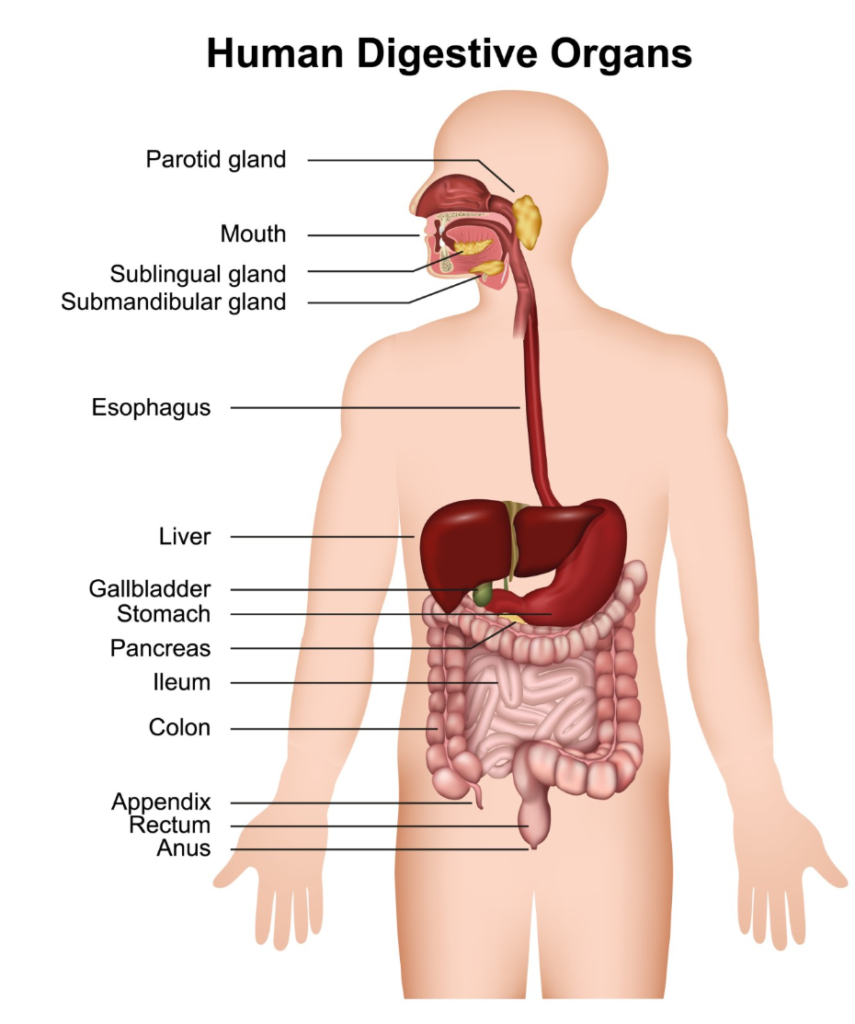
Haemorrhoids are swollen veins in the anus and lower rectum, and they frequently flare up when constipation leads to straining during bowel movements. Regular straining not only causes immediate swelling but also weakens the connective tissues that hold these vascular cushions in place. Over time, this makes the area more susceptible to future flare-ups even with minor changes in bowel habits. Maintaining a routine that avoids forceful evacuation is a primary step in preventing acute episodes.
Low Fibre Intake and Digestive Transit
A diet lacking in sufficient dietary fibre is a major underlying factor that makes haemorrhoids more likely to flare up by slowing down digestive transit. Fibre is essential for adding bulk to the stool and retaining moisture, which ensures that waste material moves through the colon efficiently. When the diet is dominated by processed foods or lacks adequate plant-based material, stools become small, hard, and difficult to pass.
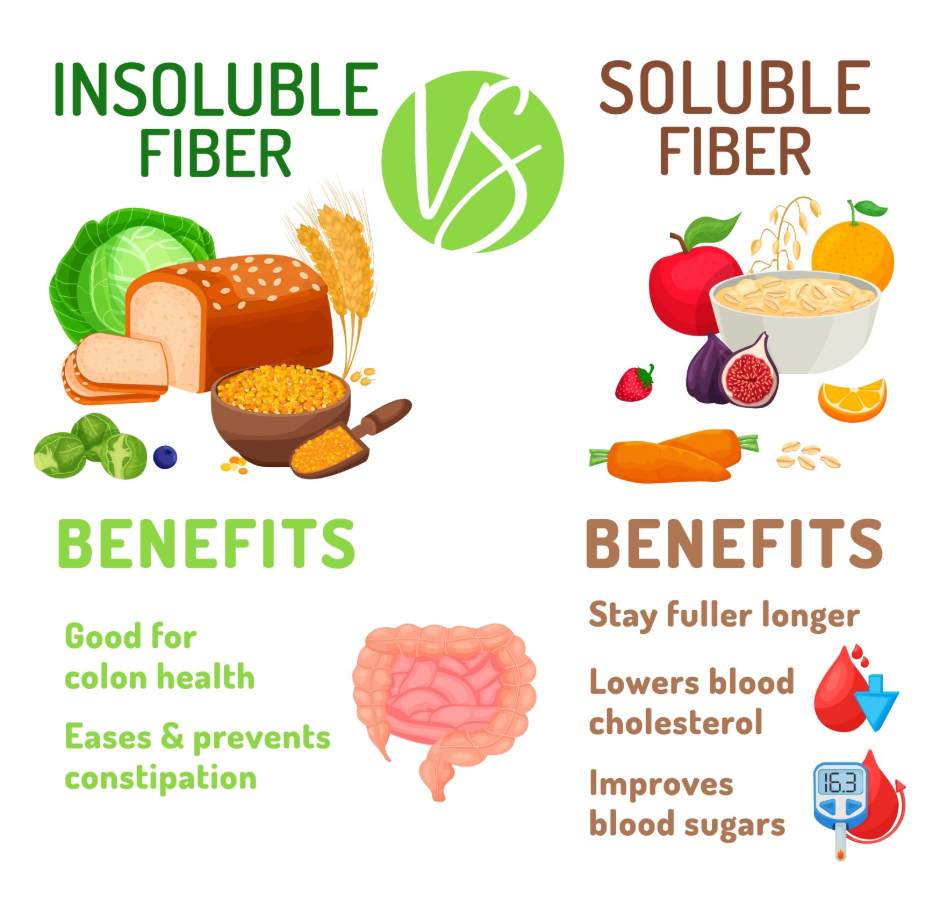
The resulting slow transit time allows the colon to reabsorb even more water from the waste, creating a cycle of hard stools and increased pressure. The National Institute for Health and Care Excellence recommends a high-fibre diet as a first-line lifestyle change to manage and reduce the symptoms of haemorrhoids. Gradually increasing the intake of whole grains, pulses, fruits, and vegetables provides the necessary volume to stimulate the gut muscles and reduce the need for the straining that triggers vascular congestion.
Prolonged Sitting and Sedentary Lifestyles
Spending long periods sitting, particularly on the toilet, can cause haemorrhoids to flare up by encouraging blood to pool in the pelvic veins. The physical act of sitting on a toilet seat creates a “hammock” effect that leaves the anal area unsupported, allowing gravity to pull more blood into the haemorrhoidal cushions. This increased venous pressure can lead to sudden swelling and discomfort if the habit is maintained over several minutes.
General sedentary behaviour also impacts digestive health by slowing down gut motility. Regular movement, such as walking, helps stimulate the natural contractions of the intestines that keep waste moving forward. Occupations that require many hours of sitting without breaks can contribute to a constant state of pelvic congestion, making the rectal veins more reactive to other triggers like diet or lifting. Taking regular breaks to stand and move can help improve circulation in the lower body.
Dehydration and Stool Consistency
Inadequate fluid intake is a direct trigger for haemorrhoid flare-ups because it leads to the development of dry, abrasive stools. Water is essential for the function of dietary fibre; without enough liquid, fibre can actually contribute to constipation rather than relieving it. When the body is dehydrated, the colon compensates by extracting more water from the waste material, which results in stools that require significant effort to pass.
Maintaining a steady intake of water throughout the day ensures that the stool remains soft and easy to expel. This reduces the friction against the delicate lining of the anal canal and minimises the trauma to any existing haemorrhoids. It is generally advised to avoid excessive caffeine or alcohol during a flare-up, as these substances can have a dehydrating effect and may irritate the digestive lining, further complicating bowel regularity.
Physical Strain and Heavy Lifting
Engaging in intense physical exertion or heavy lifting can cause a sudden flare-up by significantly increasing intra-abdominal pressure. When you lift a heavy object, you often hold your breath and “bear down” (the Valsalva manoeuvre), which transmits a surge of pressure directly to the pelvic and rectal veins. This sudden pressure can cause a previously quiet haemorrhoid to swell or even lead to the formation of a blood clot within an external vein, known as a thrombosis.
This type of flare-up is common in both occupational settings and during weightlifting exercises. To reduce the risk, it is important to use proper breathing techniques and avoid holding the breath during exertion. If an individual is already prone to haemorrhoid issues, they may need to modify their lifting habits or ensure they are focusing on core stability to protect the pelvic floor from excessive pressure spikes.
Pregnancy and Hormonal Changes
Pregnancy is a frequent trigger for haemorrhoid flare-ups due to the combination of physical pressure from the uterus and hormonal shifts. As the foetus grows, the weight of the uterus puts direct pressure on the pelvic veins and the inferior vena cava, slowing the return of blood from the lower half of the body. This causes the veins in the anal canal to become engorged and more likely to swell or bleed.
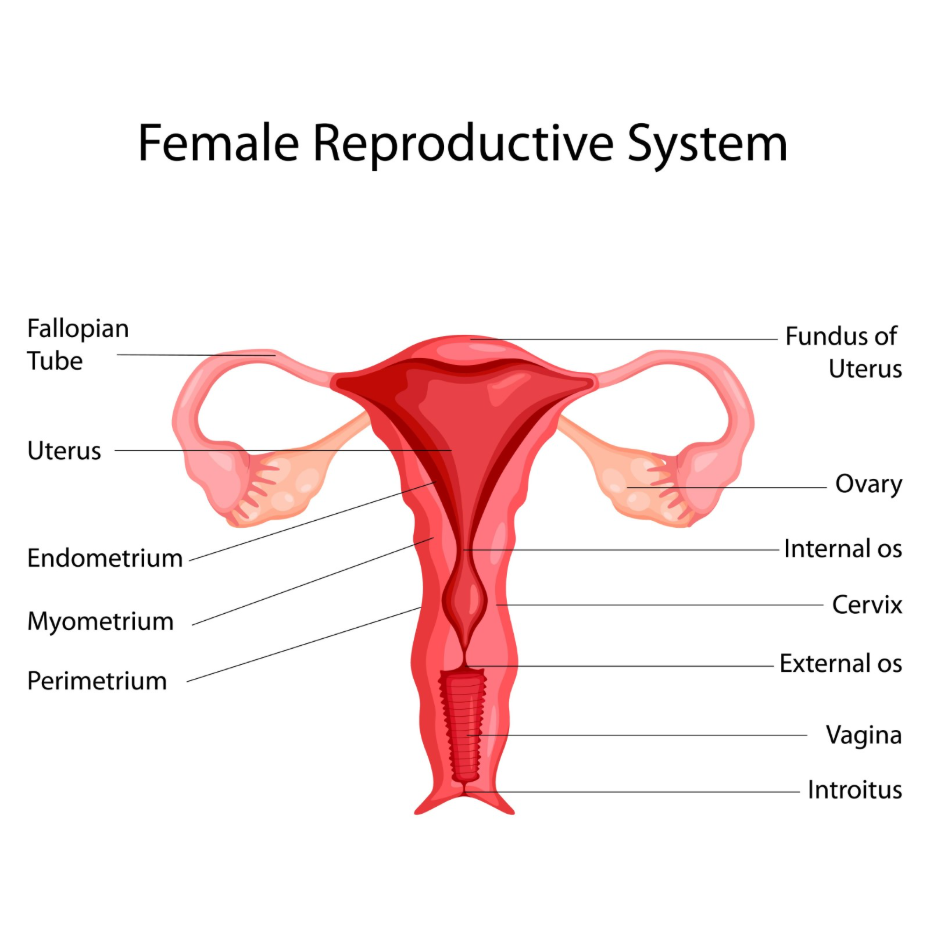
Additionally, the hormone progesterone rises during pregnancy, which causes the walls of the veins to relax and expand more easily. Progesterone also slows down the digestive system, making constipation a common issue for expectant mothers. Haemorrhoids are very common during pregnancy and often resolve or improve significantly after the baby is born. Managing these flare-ups typically involves gentle dietary adjustments and pelvic floor support under the guidance of a healthcare professional.
Conclusion
Haemorrhoid flare-ups are primarily caused by factors that increase pressure in the rectal area, such as constipation, straining, and prolonged sitting. Dietary habits, specifically low fibre and inadequate hydration, create the hard stools that lead to vascular irritation. While physical strain and physiological changes like pregnancy are common triggers, most flare-ups can be managed by addressing these lifestyle factors. If you experience severe, sudden, or worsening symptoms, call 999 immediately.
Why does my flare-up feel worse after a bowel movement?
The passage of stool, especially if hard, causes physical trauma and stretching to the already swollen veins, leading to temporary increases in pain and swelling.
Can spicy food cause a haemorrhoid flare-up?
Spicy food does not cause haemorrhoids, but it can irritate the anal lining and make an existing flare-up feel more painful or stinging during a bowel movement.
How long does a typical flare-up last?
Most mild flare-ups settle within a few days to a week if you increase your fibre and water intake and avoid straining.
Does stress make haemorrhoids flare up?
Stress can indirectly cause a flare-up by affecting your digestive habits, potentially leading to constipation or changes in how you eat and move.
Can diarrhoea trigger a flare-up?
Yes, frequent loose stools can cause significant irritation and chemical inflammation of the anal area, leading to swollen and sore veins.
Is it normal to see blood during a flare-up?
Bright red blood on the toilet tissue is a common sign of a flare-up, but all rectal bleeding should be professionally evaluated to confirm the cause.
Should I stop exercising when I have a flare-up?
Gentle exercise like walking is beneficial, but you should avoid heavy weightlifting or high-impact activities until the inflammation has subsided.
Authority Snapshot (E-E-A-T)
This medical education content provides evidence-based information regarding the triggers of haemorrhoid flare-ups for the UK public. It is produced by a professional medical writing team and reviewed by Dr. Rebecca Fernandez, a UK-trained physician with extensive experience in internal medicine, general surgery, and acute care. All information provided is strictly aligned with the clinical standards and quality protocols set by the NHS and the National Institute for Health and Care Excellence (NICE).



