




Sitting for extended periods on the toilet is a significant contributing factor to the development and exacerbation of haemorrhoids due to the unique physical pressure it places on the rectal area. While the act of passing stool is a natural process, the modern habit of spending excessive time on the toilet seat, often exacerbated by distractions such as mobile phones, creates an environment where blood can pool in the anal veins. Understanding the mechanics of pelvic floor positioning and how it relates to vascular health is essential for maintaining bowel comfort and preventing the inflammation of the anal cushions.
What We’ll Discuss in This Article
- The physiological impact of toilet seat design on rectal veins
- How the “hammock” effect contributes to vascular engorgement
- The relationship between prolonged sitting and straining
- Healthy toilet habits to reduce the risk of haemorrhoid flare-ups
- The role of posture and foot placement in bowel evacuation
- When to seek medical advice for persistent anal symptoms
The Physiological Impact of Toilet Positioning
Prolonged sitting on the toilet causes haemorrhoids primarily because the open design of the toilet seat leaves the rectum unsupported, allowing gravity to increase the pressure on anal veins. Unlike sitting on a chair where the buttocks and thighs provide firm support to the pelvic floor, the toilet seat allows the perineal area to drop slightly. This positioning causes the blood vessels in the anal canal, known as haemorrhoidal cushions, to fill with more blood than usual.
When these vessels remain engorged for ten, fifteen, or twenty minutes, the delicate connective tissues that hold them in place begin to stretch. Over time, this repeated stretching can lead to permanent swelling or the protrusion of internal haemorrhoids. Haemorrhoids are swollen veins in the anus and lower rectum, similar to varicose veins, and can be caused by increased pressure in the lower rectum. This vascular congestion is a silent process that often goes unnoticed until symptoms such as bleeding or itching develop.
The Relationship Between Distraction and Straining
Spending too long on the toilet often leads to unconscious straining, which significantly heightens the risk of damaging the vascular cushions. When individuals take reading materials or electronic devices into the bathroom, they may remain on the seat long after the initial urge to pass a bowel movement has subsided. This prolonged session often involves intermittent bouts of “bearing down” or straining, which spikes the intra-abdominal pressure.
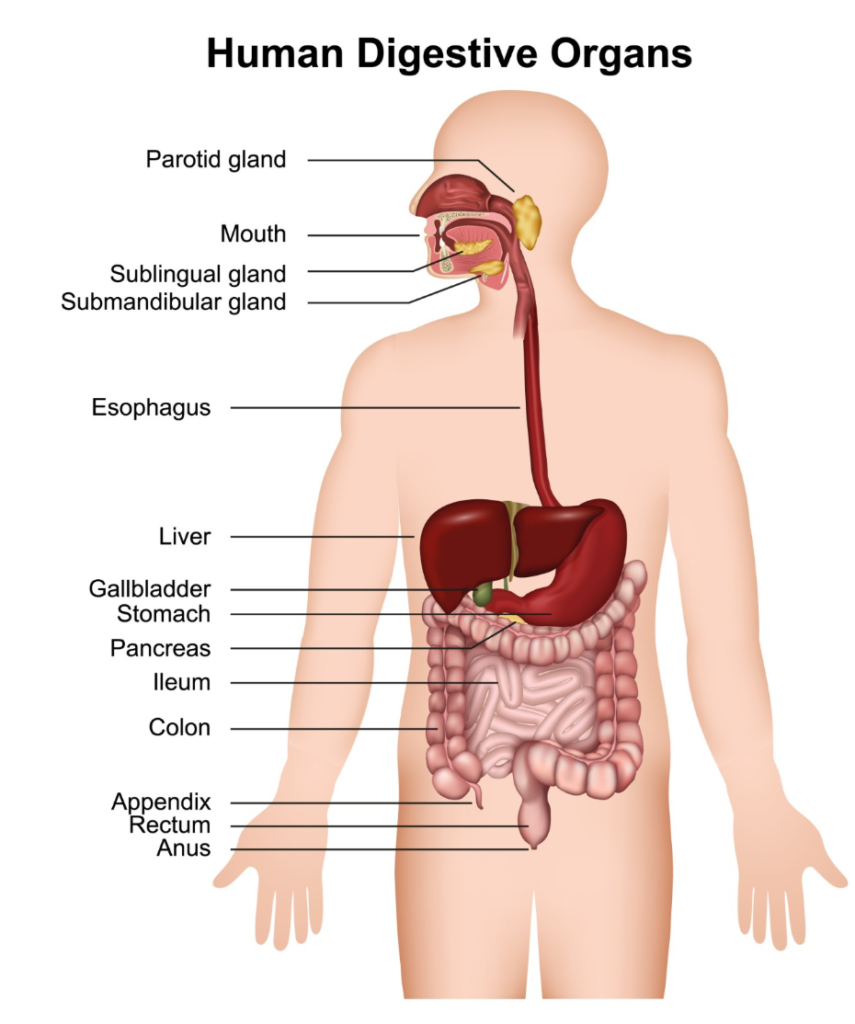
High pressure in the pelvic cavity restricts the return of blood to the heart, causing the veins in the rectum to become even more engorged and fragile. This makes them highly susceptible to minor trauma from the passage of stool, resulting in bright red rectal bleeding. The National Institute for Health and Care Excellence suggests that lifestyle modifications, including avoiding prolonged straining and sitting on the toilet, are key to managing haemorrhoidal symptoms. By treating the bathroom as a place for a specific task rather than a place for leisure, individuals can significantly reduce the mechanical stress placed on their digestive system.
Comparison of Bathroom Habits
| Habit | Impact on Rectal Veins | Haemorrhoid Risk |
| Short sessions (under 5 mins) | Minimal pressure; vessels drain quickly | Low |
| Prolonged sitting (with distraction) | Sustained engorgement and stretching | High |
| Straining to pass hard stools | Acute pressure spikes and vascular trauma | Very High |
| Responding immediately to the urge | Efficient evacuation with less force | Low |
The Role of Posture and Foot Placement
The angle at which an individual sits on the toilet can influence the efficiency of bowel movements and the amount of time required to finish. In a standard seated position, the puborectalis muscle remains partially contracted, creating a “kink” in the rectum that can make waste more difficult to pass. This often leads to longer sessions and more effort, both of which are detrimental to the anal veins.
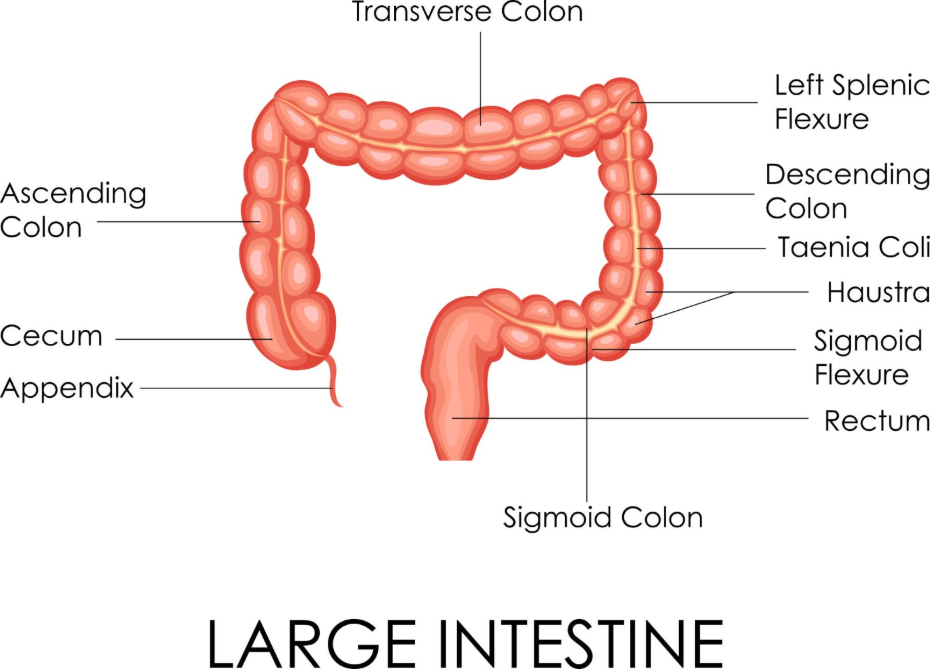
Using a small footstool to elevate the knees above the hips can help straighten this anorectal angle. This “squatting” posture allows the muscles to relax more fully, facilitating a faster and smoother evacuation. By reducing the time spent on the toilet and the effort required, the physical strain on the haemorrhoidal cushions is minimised. This simple adjustment is often recommended by healthcare professionals to support better bowel mechanics and reduce the incidence of piles.
Preventing Constipation and Hard Stools
While sitting time is a factor, the underlying cause of long toilet sessions is frequently constipation, which requires dietary and lifestyle changes to resolve. If stools are hard and difficult to pass, individuals are naturally inclined to spend more time on the toilet trying to achieve an evacuation. Constipation is a common condition that can often be managed by making simple changes to your diet and lifestyle, such as increasing fibre and staying active.
A diet rich in fibre ensures that stools remain soft and bulky, reducing the time waste spends in the colon and making it easier to pass. Adequate hydration is equally vital; without enough water, fibre can actually lead to further impaction. Regular physical activity also stimulates the natural contractions of the gut, known as peristalsis, which helps maintain a predictable bowel routine. When the digestive system functions efficiently, the need for long, unsupported toilet sessions is largely eliminated.
Identifying When to Seek Medical Advice
If changes to toilet habits and diet do not resolve anal symptoms, a clinical assessment is necessary to confirm the cause and rule out other issues. While haemorrhoids are a common cause of rectal discomfort and bleeding, these symptoms can overlap with other gastrointestinal conditions. Healthcare professionals in the UK follow structured pathways to ensure that any form of rectal bleeding is accurately identified and managed.
You should seek a professional review if you experience:
- Persistent bright red blood on the toilet paper or in the bowl
- A lump or swelling around the anus that is persistent or painful
- Itching or mucus discharge that does not improve with hygiene changes
- A persistent change in bowel habit lasting three weeks or more
- Unexplained weight loss or severe abdominal pain
A pharmacist or GP can provide advice on over-the-counter treatments to soothe irritation, but these are intended for short-term relief while the underlying causes, such as toilet habits and diet, are addressed.
Conclusion
Sitting for too long on the toilet is a primary lifestyle trigger for haemorrhoids due to the gravitational pressure and lack of support provided to the pelvic veins. Correcting bathroom habits by limiting time, avoiding distractions, and using a footstool to improve posture can significantly reduce the risk of vascular engorgement. When combined with a high-fibre diet and proper hydration, these changes provide a robust approach to preventing and managing piles. If you experience severe, sudden, or worsening symptoms, call 999 immediately.
What is the maximum time I should spend on the toilet?
Most healthcare professionals recommend spending no more than five minutes on the toilet to prevent excessive pressure on the anal veins.
Can using a phone on the toilet actually cause piles?
The phone itself does not cause them, but the distraction leads to much longer sitting times, which is a known cause of haemorrhoid swelling.
Does a footstool really make a difference?
Yes, elevating the knees helps relax the muscles around the rectum, making it easier to pass stool and reducing the time spent sitting.
Should I go to the toilet even if I do not feel a strong urge?
No, it is better to wait until you feel a genuine urge to avoid unnecessary sitting and straining on the toilet seat.
Is it safe to use haemorrhoid cream if I am sitting too long?
Creams can soothe existing symptoms, but they will not prevent new haemorrhoids if the underlying habit of prolonged sitting is not changed.
Can regular exercise help reduce my time on the toilet?
Yes, physical activity improves gut motility, which helps prevent constipation and leads to quicker, more regular bowel movements.
Why does my bottom itch after sitting on the toilet for a long time?
Prolonged sitting can cause the veins to swell and leak small amounts of mucus, which can irritate the skin and cause itching.
Authority Snapshot (E-E-A-T)
This medical education content is designed to provide accurate, evidence-based information for the UK public regarding the link between toilet habits and haemorrhoids. The material is developed by a professional medical writing team and reviewed by Dr. Rebecca Fernandez, a UK-trained physician with extensive experience in general surgery, internal medicine, and acute care. All information provided is strictly aligned with the clinical standards and diagnostic pathways provided by the NHS and the National Institute for Health and Care Excellence (NICE).



