




Haemorrhoids, frequently referred to as piles, are swollen blood vessels in the anal canal that can cause significant discomfort, itching, and bleeding. Fortunately, a wide range of treatment options exists in the United Kingdom, ranging from simple lifestyle modifications and over-the-counter medications to specialised clinical procedures and surgery. The choice of treatment depends largely on the severity and grade of the haemorrhoids, as well as the impact they have on a person’s daily life. Most cases respond well to conservative management, which focuses on reducing the underlying causes of vascular pressure and supporting the natural healing of the rectal tissues.
What We’ll Discuss in This Article
- Lifestyle and dietary modifications for conservative management
- Over-the-counter topical treatments and medications
- Non-surgical clinical procedures such as rubber band ligation
- Specialised treatments for internal haemorrhoids including sclerotherapy
- Surgical options for severe or persistent cases
- National clinical standards for managing symptomatic piles
Lifestyle Modifications and Dietary Management
Adopting healthy dietary and lifestyle habits is the first-line treatment for managing haemorrhoids and preventing their recurrence by reducing the pressure on anal veins. The primary goal of conservative management is to ensure that stools are soft, bulky, and easy to pass without the need for straining. Straining during bowel movements is a major contributor to the engorgement of the vascular cushions in the anal canal. Haemorrhoids are swollen veins in the anus and lower rectum, and they often get better on their own after a few days of following simple self-care advice.
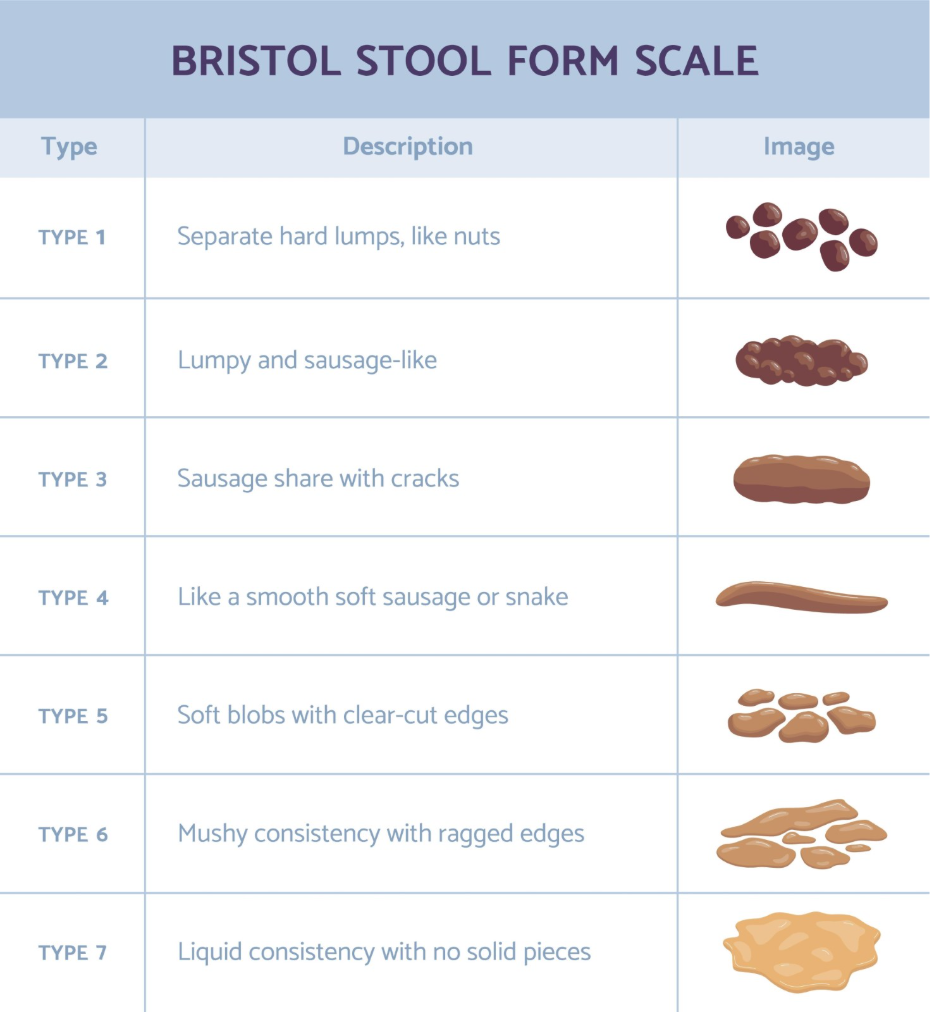
Key lifestyle strategies include gradually increasing dietary fibre to approximately 30g per day through whole grains, pulses, fruits, and vegetables. This must be accompanied by adequate hydration; drinking plenty of water ensures the fibre can move waste through the system effectively. Regular exercise also supports gut motility and reduces pelvic congestion. Furthermore, improving bathroom habits, such as responding immediately to the urge to go and avoiding prolonged sitting on the toilet, significantly lowers the physical stress placed on the rectal area.
Over-the-Counter Topical Treatments
Over-the-counter creams, ointments, and suppositories provide essential symptomatic relief from the itching and soreness associated with acute haemorrhoid flare-ups. These products typically contain a combination of active ingredients, such as soothing agents, mild astringents, or local anaesthetics like lidocaine. These are designed to reduce local inflammation and numb the area temporarily, making activities such as sitting or passing a stool more comfortable.
While these treatments are highly effective for short-term relief, they do not cure the underlying condition. The National Institute for Health and Care Excellence provides guidelines on the management of haemorrhoids, noting that simple treatments like creams can help ease symptoms while lifestyle changes take effect. Some preparations may contain mild corticosteroids like hydrocortisone to reduce significant swelling; however, these should not be used for more than seven consecutive days to avoid thinning the delicate perianal skin. Pharmacists are available to advise on the most suitable preparation for specific symptoms.
Non-Surgical Clinical Procedures
For haemorrhoids that do not respond to conservative management, several non-surgical procedures can be performed in an outpatient setting to reduce the size of the swollen vessels. Rubber band ligation is one of the most common procedures used in the UK for internal haemorrhoids (Grades II and III). During this process, a small elastic band is placed around the base of the haemorrhoid to cut off its blood supply, causing the tissue to wither and fall off within a week or two.
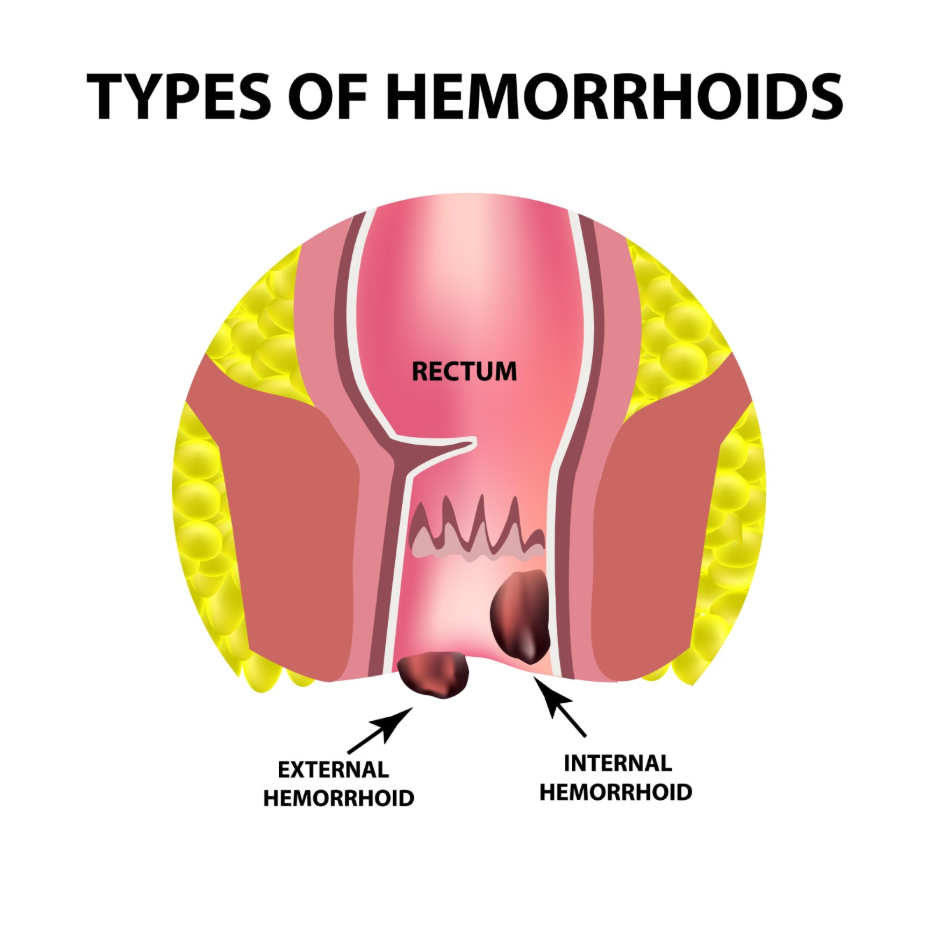
Another non-surgical option is sclerotherapy, which involves the injection of a chemical solution into the tissue surrounding the haemorrhoid. This causes the vessel to shrink by creating scar tissue that limits blood flow to the area. Electrotherapy, also known as haemorrhoidal artery ligation, uses a small electrical current to achieve a similar result. These procedures are generally quick and involve minimal recovery time, making them a preferred middle-ground option before considering more invasive surgical interventions.
Surgical Treatment Options
Surgery is typically reserved for severe (Grade IV) or persistent haemorrhoids that have not improved with other treatments or for those that are causing significant complications. A haemorrhoidectomy is the traditional surgical removal of the haemorrhoid tissue and is often considered the most effective long-term solution for large piles. While highly successful, it usually requires a longer recovery period and involves some post-operative discomfort as the surgical site heals.
Alternative surgical techniques include stapled haemorrhoidopexy and haemorrhoidal artery ligation. Stapling involves repositioning the prolapsed tissue and cutting off its blood supply, which often leads to less post-operative pain than a standard haemorrhoidectomy. Haemorrhoidal artery ligation uses ultrasound to locate the specific vessels supplying the piles, which are then tied off. These surgical pathways are discussed with a consultant surgeon to determine the best fit for the patient’s specific clinical grade and history.
Comparing Treatment Categories
The following table provides a summary of the different levels of treatment based on the severity of the condition.
| Treatment Level | Common Options | Typical Use Case |
| Conservative | High fibre, hydration, sitz baths | Mild cases and initial flare-ups |
| Medicinal | Creams, ointments, suppositories | Short-term itching and pain relief |
| Non-Surgical | Banding, sclerotherapy, electrotherapy | Grade II/III piles that do not resolve |
| Surgical | Haemorrhoidectomy, stapling | Severe, large, or Grade IV piles |
When to Seek Professional Advice
While many people manage haemorrhoids independently, it is important to know when to seek a professional clinical assessment to ensure the diagnosis is accurate. Rectal bleeding, even if assumed to be from piles, should be evaluated by a healthcare professional, especially if it is a new occurrence or if the bleeding is dark or heavy. In the UK, clinicians use specific diagnostic pathways to rule out other gastrointestinal conditions that may share similar symptoms.
Professional advice should be sought if:
- Rectal bleeding is persistent or increases in frequency
- Pain is severe and not relieved by simple over-the-counter measures
- A lump is hard, bluish, and extremely painful (possible thrombosis)
- Symptoms do not improve after one week of home treatment
- There is a change in bowel habits lasting three weeks or more
Consulting a GP or pharmacist ensures that the chosen treatment is appropriate for the grade of haemorrhoids present and that any “red flag” symptoms are investigated promptly according to national standards.
Conclusion
Haemorrhoid treatments in the UK range from fundamental lifestyle changes to specialised surgical procedures. Most individuals find relief through a high-fibre diet, proper hydration, and the short-term use of soothing topical creams. For more persistent cases, non-surgical options like rubber band ligation offer an effective way to resolve symptoms without the need for a hospital stay. If you experience severe, sudden, or worsening symptoms, call 999 immediately.
How long does it take for treatments to work?
Lifestyle changes and creams often provide some relief within a few days, while clinical procedures like banding may take one to two weeks for the haemorrhoid to fall off.
Are there any side effects to haemorrhoid creams?
Some creams can cause local skin irritation; steroid-based creams should only be used for seven days to avoid thinning the skin around the anus.
Is surgery for piles always necessary?
No, surgery is generally only considered if other treatments have failed or if the haemorrhoids are very large and causing significant problems.
Can I have a sitz bath with other treatments?
Yes, soaking in warm water is a very effective way to soothe the area and can be used alongside creams and dietary changes.
Do haemorrhoids return after treatment?
They can return if the underlying causes, such as constipation and straining, are not managed through long-term lifestyle changes.
What is the fastest way to shrink piles?
A combination of a high-fibre diet, drinking plenty of water, and avoiding any straining on the toilet is the most effective way to help them shrink naturally.
Can a pharmacist help me choose a treatment?
Yes, UK pharmacists are trained to advise on over-the-counter treatments and can help you decide if you need to see a GP.
Authority Snapshot (E-E-A-T)
This medical education content provides accurate, evidence-based information regarding the treatment of haemorrhoids for the UK public. The material is developed by a professional medical writing team and reviewed by Dr. Rebecca Fernandez, a UK-trained physician with extensive experience in general surgery, internal medicine, and acute care. All information provided is strictly aligned with the clinical standards and quality protocols set by the NHS and the National Institute for Health and Care Excellence (NICE).



