




It is possible for an individual to experience both haemorrhoids and an anal fissure concurrently, as these conditions often share common triggers and anatomical locations. While they are distinct medical issues involving different physiological changes, the strain placed on the anal canal by certain digestive habits can lead to the development of both. Distinguishing between the symptoms of each is a vital step in applying the correct management strategies to support healing and comfort. Understanding the relationship between these two conditions allows for a more comprehensive approach to maintaining rectal health and identifying when a professional clinical review is necessary.
What We’ll Discuss in This Article
- The shared triggers of haemorrhoids and anal fissures
- Differentiating between the pain profiles of each condition
- Characteristics of rectal bleeding in concurrent cases
- How constipation contributes to both conditions simultaneously
- Structural differences and the anatomical impact on the anal canal
- Management strategies for dual occurrences
- Clinical diagnostic pathways for multiple anal symptoms
Common Causes and Shared Risk Factors
It is highly common for both conditions to arise from the same underlying issues, such as chronic constipation or persistent straining during bowel movements. Haemorrhoids are swollen veins in the anus and lower rectum, while an anal fissure is a small tear in the lining of the anal canal. When a person experiences constipation, the stool often becomes hard and dry, requiring significant effort to pass. This effort increases the pressure on the pelvic veins, causing them to swell and bulge, which results in haemorrhoids. Simultaneously, the mechanical force of the hard stool stretching the anal opening can exceed the elastic limit of the skin, leading to a physical tear or fissure.
Beyond constipation, other factors such as pregnancy and heavy lifting can also contribute to dual occurrences. During pregnancy, the increasing weight of the uterus and hormonal changes that slow down digestion can lead to both venous congestion and bowel irregularity. Similarly, activities that involve significant “bearing down” increase intra-abdominal pressure, which simultaneously stresses the vascular cushions and the mucosal lining. Because the anal canal is a relatively small and sensitive area, these pressures rarely affect only one type of tissue, making the presence of both conditions a frequent clinical finding in the United Kingdom.
Identifying Symptoms of Haemorrhoids and Fissures
Identifying the presence of both conditions involves recognising the distinct pain and physical characteristics associated with each. Anal fissures typically cause a sharp, stinging pain when you go to the toilet, whereas haemorrhoids often present as a dull ache or painless bleeding. When both are present, a patient may experience an initial sharp, cutting sensation followed by a persistent throbbing or a feeling of fullness in the rectum. This combination of sensations can be particularly distressing, but it helps clinicians determine that multiple issues are affecting the anal canal.
The nature of the bleeding can also provide clues, although it is often bright red in both cases. With a fissure, the blood is usually noticed as a small streak on the surface of the stool or a spot on the toilet paper, specifically associated with the intense pain of the tear. Haemorrhoidal bleeding can be more profuse, sometimes dripping into the toilet bowl after the stool has passed, and it may occur without significant discomfort if the haemorrhoids are internal. A comparison of these features is essential for accurate identification and management.
| Feature | Anal Fissure | Haemorrhoids (Piles) |
| Type of Pain | Sharp, stinging, like “passing glass” | Dull ache, throbbing, or painless |
| Duration of Pain | Sharpest during poo; ache follows | Often constant or during flare-ups |
| Bleeding | Bright red, usually small amounts | Bright red, can be more profuse |
| Physical Signs | Small visible crack or tear | Swollen lumps or soft “bulges” |
| Primary Cause | Mechanical trauma/tearing | Venous swelling/pressure |
The Role of Constipation in Dual Occurrences
Constipation serves as the primary bridge between these two conditions by increasing both internal venous pressure and external mucosal strain. When waste remains in the colon for too long, the body reabsorbs excessive water, resulting in stool that is compact and lose its natural lubrication. The effort required to move this waste through the anal canal is the catalyst for injury. The internal anal sphincter may also go into an involuntary spasm in response to the irritation, which further increases the pressure in the canal and makes the passage of the next stool even more difficult.
This cycle of strain and injury means that if one condition develops, the other is more likely to follow. For example, the pain of a fissure can lead to “toilet avoidance,” which causes the stool to sit longer in the rectum and become harder. When the person finally does pass the stool, the increased straining required can then trigger or worsen haemorrhoids. Addressing the underlying digestive transit is the most critical factor in resolving both conditions simultaneously, as failing to do so ensures that the mechanical triggers remain in place.
Structural Differences and Anatomical Impact
While both conditions affect the same anatomical region, they involve different structural changes to the veins and the skin of the anal canal. Haemorrhoids are a vascular issue, specifically involving the engorgement of the haemorrhoidal plexuses. These vascular cushions are a normal part of the anatomy, but they become a clinical problem when they swell, prolapse, or become thrombosed. This change is primarily internal, though external haemorrhoids involve the veins located under the skin around the anus.
In contrast, an anal fissure is a dermatological or mucosal injury. It is a physical break in the integrity of the skin, most commonly found in the posterior midline of the anal opening. This area has a naturally lower blood supply, which is why fissures can be slow to heal. When a fissure and haemorrhoids exist together, the inflammation from the swollen veins can sometimes irritate the edges of the tear, while the muscle spasms caused by the tear can restrict the blood flow needed to reduce the swelling of the haemorrhoids. This physiological interaction explains why concurrent cases may require a more coordinated approach to treatment.
Managing Concurrent Symptoms at Home
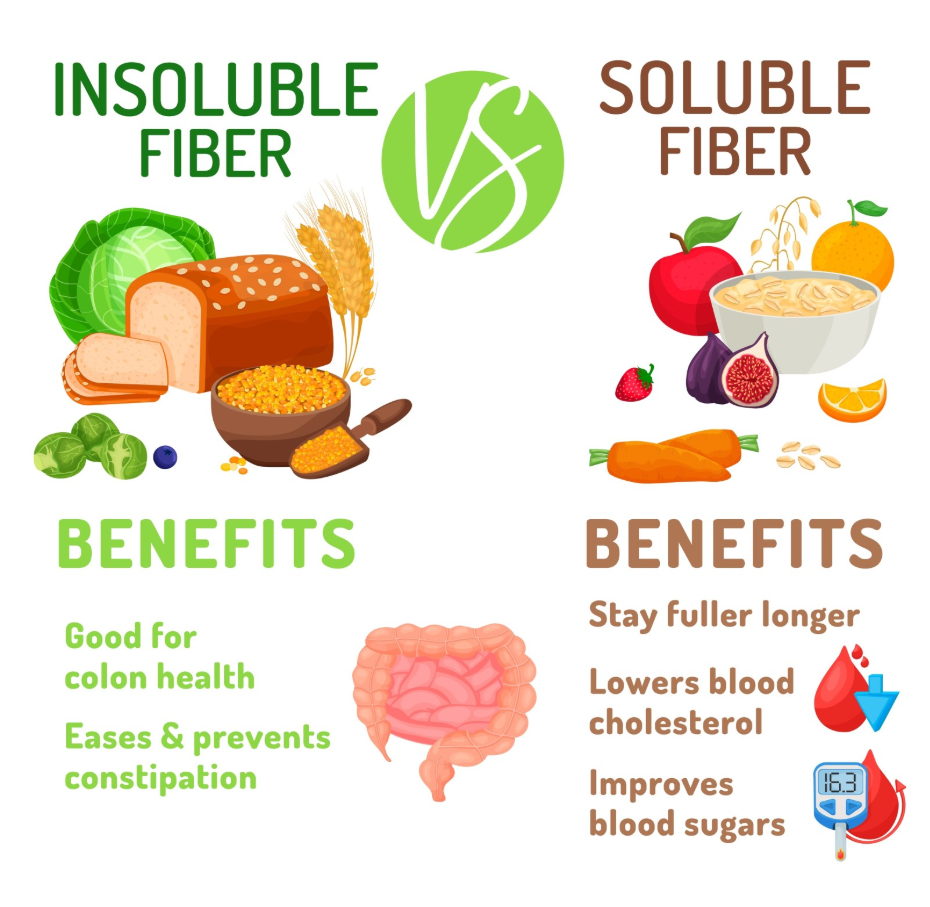
Management of concurrent symptoms focuses on achieving stool softness and reducing pelvic pressure to allow both types of tissue to heal. The National Institute for Health and Care Excellence suggests that first-line management for these conditions includes increasing dietary fibre and fluid intake to achieve soft stools. Patients are encouraged to aim for 30g of fibre daily through whole grains, fruits, and vegetables, while drinking at least six to eight glasses of water. This ensures the stool is bulky and soft, which prevents the mechanical tearing of the fissure and the venous straining of the haemorrhoids.
Gentle hygiene is equally important when managing both conditions. Using plain water to clean the area after a bowel movement is preferred over dry, abrasive toilet paper, which can pull at a fissure and irritate swollen piles. Warm sitz baths, involving soaking the area in plain warm water for ten to fifteen minutes, can help the anal sphincter to relax. This relaxation reduces the throbbing pain of the fissure and helps to lower the internal pressure that keeps haemorrhoids engorged. These home measures form the foundation of UK-aligned care for anorectal discomfort.
Clinical Diagnosis of Multiple Anal Conditions
A clinical diagnosis for multiple anal conditions is reached through a systematic visual and physical assessment of the anal canal. A healthcare professional will typically perform a gentle visual inspection to look for the linear tear of a fissure and the soft, purple-toned bulges of external haemorrhoids. If the symptoms suggest internal issues, a digital rectal examination or a proctoscopy may be performed to assess the health of the internal rectal lining and the strength of the anal sphincter muscles.
Confirming the presence of both conditions allows for a tailored treatment plan. For example, a clinician might prescribe a local anaesthetic to manage the sharp pain of the fissure while also recommending a topical treatment to reduce the inflammation of the haemorrhoids. In cases where the symptoms do not improve with conservative measures, further investigations may be required to rule out other inflammatory bowel conditions. In the UK, structured diagnostic pathways ensure that each symptom is addressed and that the most appropriate clinical interventions are applied.
Conclusion
It is entirely possible to have both haemorrhoids and an anal fissure at the same time, as both are frequently caused by the mechanical strain of constipation and straining. While they involve different types of tissue damage, they often respond to the same foundational treatments of a high-fibre diet, hydration, and gentle hygiene. Identifying the specific pain patterns of each helps in managing the symptoms effectively and knowing when to seek professional medical investigation. If you experience severe, sudden, or worsening symptoms, call 999 immediately.
Is it common to have both at the same time?
Yes, it is very common because the same straining that causes the veins to swell into haemorrhoids can also tear the anal lining into a fissure.
How can a doctor tell them apart if I have both?
A doctor will perform a gentle visual and physical examination to see the tear of the fissure and the soft lumps associated with haemorrhoids.
Does treating one also help the other?
Yes, focusing on keeping stools soft and avoiding straining will provide the best environment for both the fissure and the haemorrhoids to heal.
Why is the pain so intense when both are present?
The intensity comes from the combined sharp, cutting pain of the skin tear and the dull, throbbing ache of the swollen, inflamed veins.
Can I use the same cream for both?
Some soothing creams may help both, but specifically medicated treatments for fissures work differently than those for haemorrhoids, so a clinical review is needed.
What is the best way to clean the area with both conditions?
The gentlest method is to use plain warm water or a sitz bath, then pat the area dry very softly with a clean towel or use a hairdryer on a cool setting.
Can both conditions cause bright red blood?
Yes, both conditions can cause bright red spotting on the tissue or stool, though the timing and amount of blood may differ slightly between the two.
Authority Snapshot (E-E-A-T)
This medical education content provides accurate, evidence-based information regarding the concurrent presence of haemorrhoids and fissures for the UK public. The material is developed by a professional medical writing team and reviewed by Dr. Stefan Petrov, a UK-trained physician with experience in general surgery, emergency care, and clinical education. All information provided is strictly aligned with the clinical standards and diagnostic pathways provided by the NHS and the National Institute for Health and Care Excellence (NICE).



